

 admin
adminRecognize Your Emotions
Understanding Emotional Triggers
Okay, folks, let’s face it: we all have those buttons that, when pushed, can send us spiraling. What I’ve learned is that the first key to staying grounded is recognizing what triggers me. For instance, if someone dismisses my ideas in a meeting, my heart races, and I want to bite back. But understanding that this reaction is about my sensitivity helps me pause and think before I respond.
Take time to reflect on past conversations—what heated you up? Was it a particular phrase? Someone’s tone? By pinpointing these triggers, you can prepare yourself better for future discussions. It’s not about avoiding conflict; it’s about managing how you react to it.
Another important aspect is acknowledging these emotions without judgment. It’s completely normal to feel defensive or upset. When I remind myself that it’s okay to have these feelings, I create space to process them and avoid knee-jerk reactions.
Practice Active Listening
The Power of Listening
You know how essential it is to listen actively, right? I mean, we all talk about it, but putting it into practice is the trick. The next time you find yourself in a heated discussion, shift your focus to genuinely hear what the other person is saying. This doesn’t just calm the waters; it’s a game-changer for understanding their perspective.
I like to use a technique where I paraphrase what I’ve just heard. It sounds something like, “What I’m hearing is that you feel frustrated about this situation, is that right?” This shows that I’m listening and helps clarify what they really mean. It makes conversations feel less combative and more collaborative.
Plus, active listening helps cool your own emotional temperature. When I’m focused on understanding rather than defending myself, it’s amazing how quickly my frustration dissipates. We’re all human, and sometimes we just want to be heard.
Take a Breath
The Reset Button
I can’t emphasize this enough: breathing is powerful. When conversations heat up, my instinct is often to engage immediately. But I’ve learned that taking a moment to breathe is like hitting a reset button. In and out, nice and slow—this helps lower my heart rate and relaxes me.
One technique I often use is the 4-7-8 breathing method. Breathe in through your nose for four seconds, hold for seven, and then exhale through your mouth for eight. Doing this even once can turn your entire perspective around in the middle of a disagreement. Seriously, try it the next time you’re feeling inflamed!
Breathing not only calms you down but also gives you a moment to collect your thoughts. Instead of firing off an emotional reply, I can respond more rationally and thoughtfully. And that can make all the difference in a heated moment.
Use “I” Statements
Communicating Clearly Without Blame
Here’s where things can really change for you: using “I” statements instead of “you” statements. Look, when someone hears “You always…” or “You never…,” it’s like throwing fuel on a fire. But flipping that to “I feel…” can transform the conversation into something constructive.
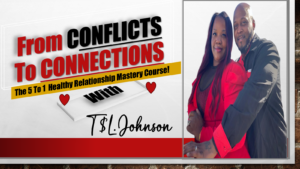
Transform Your Conflicts Into Connections
For example, instead of saying, “You never listen to me,” I might say, “I feel unheard when I’m interrupted.” This shifts the focus from blaming the other person to expressing my feelings. It’s less confrontational and promotes open dialogue instead of defensiveness.
Another bonus? It encourages the other person to respond better. By owning my feelings, I create an invitation for them to share their own perspective too. It’s like setting up for a dance rather than a fight, moving together towards a resolution rather than clashing heads.
Know When to Walk Away
Setting Boundaries
This one took me a while to wrap my head around, but knowing when to step away is vital. Sometimes, the conversation just isn’t productive anymore. If things are getting too hot for my comfort, I’ll say something like, “I need a moment to think this over.” It’s okay to take a breather.
Setting boundaries means respecting myself enough to walk away rather than say things I might regret later. I’ve learned that cool-down time can really benefit both parties; I get a chance to reflect, and the other person might do the same.
Plus, returning to the conversation after a brief pause can lead to more fruitful discussions. It often surprises me how much clarity I gain in that short time away. It’s all about preserving relationships and keeping the dialogue healthy in the long run.
FAQ
1. Why is recognizing my emotions important?
Recognizing your emotions helps you identify triggers that lead to heated responses. Understanding these feelings gives you a chance to manage them better.
2. How does active listening calm a conversation?
Active listening shifts your focus from defending yourself to understanding the other person’s perspective, which often diffuses tension and promotes a cooperative atmosphere.
3. What breathing techniques help during tense conversations?
The 4-7-8 breathing method is effective. Inhaling for 4 seconds, holding for 7, and exhaling for 8 seconds can help calm your mind and body.
4. What are “I” statements, and why should I use them?
“I” statements allow you to express your feelings without blaming the other person. This approach invites open dialogue and can reduce defensiveness significantly.
5. When should I walk away from a conversation?
If you feel emotions escalating and the conversation is unproductive, it’s a good time to step back, take a break, and gather your thoughts before continuing.
Schedule Your First 20-Minute Coaching
Call With Us Today to see if we fit . You pick the price!
Click Here


