

 admin
adminEmbrace Open Communication
Understanding Your Partner’s Perspective
When things get rocky in a relationship, it’s easy to get caught up in our own feelings and lose sight of the other person’s experience. I’ve found that taking a step back and trying to understand where my partner is coming from can be enlightening. It’s not just about the problem at hand; it’s about diving deeper into emotions and motivations.
One of my go-to strategies is to actively listen. This means putting aside my own thoughts while genuinely hearing what my partner is saying. I nod, ask clarifying questions, and reflect back what I’ve heard. This small shift in focus can bridge huge gaps in understanding and can diffuse some of that stress we often feel.
Moreover, when my partner feels heard, they’re more likely to reciprocate. This mutual openness nurtures the kind of environment where both of us can express our concerns without fear of judgment, leading to healthier discussions about what’s really bugging us.
Setting Boundaries
Another essential piece of the puzzle is setting healthy boundaries. Sometimes, we might feel overwhelmed by our partner’s needs, and that’s completely normal. I’ve learned that saying “no” doesn’t mean I’m rejecting them; it simply means I’m taking care of myself too.
It’s important to communicate what I need for my own emotional well-being. For example, if I need some alone time to decompress after a stressful week, I’ll clearly express that, rather than letting it fester. Doing so helps my partner understand I’m not shutting them out; I’m just recharging.
Setting these boundaries also establishes a respect for each other’s space. When both partners know where the lines are drawn, it leads to greater overall satisfaction in the relationship, minimizing stress that arises from misunderstandings or unmet needs.
Using ‘I’ Statements
When a conversation gets heated, I’ve discovered that how I express myself can make a world of difference. Using ‘I’ statements helps keep the dialogue from turning accusatory. Instead of saying “You never listen to me,” I’ve learned to say “I feel unheard when I’m not getting a response.” This subtle shift not only conveys how I feel but also helps my partner feel less attacked.
This approach encourages my partner to respond positively instead of defensively. It’s all about nurturing empathy in the relationship by sharing feelings rather than placing blame. Plus, when we speak in ‘I’ terms, it opens up a pathway for deeper discussions about our needs and feelings, which can lead to problem-solving together.
Another reason I love this method is it helps me articulate my feelings, making me more self-aware in the process. I often find that when I express my emotions clearly, I gain insights into what’s really bothering me, paving the way to finding solutions together with my partner.
Prioritize Self-Care
Finding Time for Yourself
When relationship stress mounts, I can sometimes forget to take care of number one—me! Acknowledging that I need time for myself isn’t selfish; it’s necessary. I carve out moments in my day to engage in activities that lift my spirits. Whether it’s taking a walk, reading a book, or zoning out to my favorite tunes, I’ve recognized that these little breaks do wonders for my mental health.
Making ‘me time’ a non-negotiable priority has kept my anxiety at bay. Stress affects the dynamic between my partner and me, so learning to step back for a moment allows me to recharge my emotional batteries. When I’m in a better place, I’m much more capable of facing challenges together.
Plus, self-care sets a positive example. When I prioritize my well-being, it encourages my partner to do the same. We end up fostering a healthier relationship where both parties understand the importance of individuality amidst togetherness.
Practicing Mindfulness
I’ve been diving into mindfulness practices lately, and wow, what a game-changer! Whenever stress kicks in, I try to center myself by focusing on the present moment. It’s as simple as taking a few deep breaths or doing a quick meditation session. Being mindful allows me to observe my thoughts without judgment and let go of anxiety about the future or regrets about the past.
Mindfulness has also served as a tool for me to reduce reactive behaviors. Instead of snapping at my partner during tense moments, I take a deep breath, grounding myself before responding. This awareness stops unnecessary escalation of conflicts, shifting the focus back to constructive communication.
Above all, practicing mindfulness helps cultivate gratitude. I’ve started to appreciate the little moments—like sharing a meal or having a laugh—which strengthens our bond. It’s those little sparks of joy that often shine brightest during tough times.
Engaging in Physical Activities
I’ve noticed a fascinating correlation between staying active and managing stress in relationships. Whenever I feel tension building, whether it’s from a disagreement or just life in general, getting my body moving helps channel that energy. Whether hitting the gym, going for a jog, or taking a dance class—being active has been essential for my mental well-being.
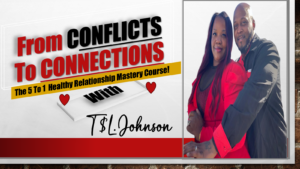
Transform Your Conflicts Into Connections
What’s even better is when my partner and I engage in these activities together. It allows us to bond while also relieving tension. We’ve turned exercise into a fun thing to do together, which naturally leads to chatting about whatever’s bothering us in a low-pressure environment.
Plus, the endorphins from working out lift my mood tremendously! When I take care of my body, I’m instantly happier, and my mindset shifts to a more positive place. It makes an enormous difference in how I interact with my partner, leading to fewer arguments and better communication.
Seek Professional Help When Needed
Recognizing When It’s Time to Seek Help
Sometimes, no matter how much we try to sort our issues, we hit a wall. I’ve been there. It can be tough to accept that we might need a mediator, but seeking help—be it from a therapist or a counselor—is nothing to be ashamed of. It’s definitely a sign of strength!
From my personal experience, a professional can offer a fresh perspective that helps clarify the clutter in our minds. They can provide tools and strategies tailored to us, making it easier to tackle our specific challenges without drowning in emotion.
When I considered therapy, it helped to recognize that seeking guidance isn’t just about fixing problems; it’s also about enhancing the relationship. It’s about learning healthier ways to interact with each other, which is something I cherish deeply.
Finding the Right Professional for You
Navigating the world of therapy can feel overwhelming, but I’ve discovered that the right professional can make all the difference. I recommend researching different styles of therapy, as some may resonate with you more than others. Whether it’s cognitive behavioral therapy (CBT), couples therapy, or even group therapy, finding what aligns with you both is key.
Asking for recommendations from friends or reading reviews can also help me feel eventually that I’m on the right path. A connection with the therapist can foster honest conversations, making the process smoother and more effective.
I’ve noticed that sometimes, trying out a meeting or two with different professionals can help discover the right fit. It’s about personal comfort and vibes—when I feel a connection, I’m more willing to open up, which accelerates healing and understanding.
Utilizing Resources
Along with therapy, I’ve also tapped into a wealth of resources that can support relationships through challenges. There are countless books, webinars, and online forums that can be incredibly insightful. I’ve gained a lot from both shared experiences and expert advice.
Sometimes, reading about others who have faced similar challenges reassures me that I’m not alone. It reinforces the idea that all relationships go through ups and downs, and that shared stories can be a source of hope and inspiration.
Moreover, investing time in workshops or couples retreats can provide an immersive experience to strengthen our bond. These resources have helped me develop tools that I can apply in my daily life—and trust me, the results can be transformative in tackling relationship stress!
FAQs
1. How can I improve communication during stressful times?
Start by practicing active listening and using ‘I’ statements to express your feelings. This not only helps in addressing the issue without blame but also encourages your partner to be more receptive.
2. What can I do if my partner refuses to set boundaries?
It might be helpful to express how their lack of boundaries affects you personally. Engage in a respectful conversation about the importance of self-care and mutual respect within the relationship.
3. How do I prioritize self-care without feeling guilty?
Remind yourself that self-care isn’t selfish—it’s essential! When you take care of yourself, you’re better equipped to be present for your partner, so view it as a mutual benefit to the relationship.
4. When is it appropriate to seek professional help?
If you find that communication has broken down and conflicts are becoming repetitive without resolution, it might be a sign to seek help. Starting therapy can expand your toolkit for better relationship management.
5. What are some quick mindfulness techniques I can try?
You can practice deep breathing for a few minutes to ground yourself, or focus on your five senses—naming one thing you can see, hear, touch, taste, and smell. These techniques can bring you back to the present moment.
Schedule Your First 20-Minute Coaching
Call With Us Today to see if we fit . You pick the price!
Click Here


