

 admin
adminConflict is a natural part of life. It’s something we all experience whether in personal relationships, at work, or in social settings. How we handle it can make all the difference, as I’ve learned from my own experiences. I’ve come to realize that taking a warm approach to conflict can turn potential confrontations into opportunities for connection. Here’s how I manage conflict without giving anyone the cold shoulder.
Understanding the Conflict
Identifying the Root Cause
The first step in handling conflict is understanding what’s really bothering you. When I find myself in a disagreement, I take a moment to reflect on the root cause of my feelings. Often, conflicts are based on misunderstandings or unmet needs, and figuring out where the tension is coming from can be enlightening.
It helps to ask myself questions—Am I upset because of something someone said, or is there deeper frustration influencing my reaction? By identifying the root cause, I can approach the other person with a more informed perspective.
Journaling about the situation has been a game-changer for me. Putting my thoughts on paper often clarifies what I’m truly feeling, and that clarity is essential before I communicate with anyone else involved.
Acknowledging Emotions
In any conflict, emotions can run high. I’ve learned that it’s crucial to acknowledge not just my own feelings, but also those of the other person involved. When I approach someone with empathy, it paves the way for a more constructive conversation.
Instead of shoving my feelings aside, I take a moment to breathe and recognize them. This allows me to express, “I feel frustrated” instead of “You’re being unreasonable,” which tends to escalate rather than resolve matters.
When I validate the other person’s emotions, it often lightens the situation. I find that simply saying, “I can see this has upset you,” opens the door for a deeper, more compassionate dialogue.
Setting the Right Environment
Creating a conducive environment for discussion is essential. I like to pick a neutral, quiet space where both parties can feel more at ease. Avoiding distractions has helped me communicate more effectively in tense situations.
Timing matters too! I tend to avoid talking about conflicts when either party is already stressed or tired. It’s important to wait for a moment when both sides are more likely to be receptive.
By making an effort to create a safe space for open dialogue, I’ve found that both I and the other person are more willing to share thoughts with an open mind.
Communicating Effectively
Using “I” Statements
One technique that has transformed my communication style during conflicts is using “I” statements. For instance, I express how I feel by saying, “I feel hurt when…” instead of pointing fingers. This shifts the focus from blame to my personal experience, reducing defensiveness.
When I articulate my feelings in this way, it opens up the dialogue rather than shutting it down. It invites the other person to appreciate my viewpoint, making it less about them being at fault.
I’ve noticed that my relationships have improved significantly since I adopted this approach because it fosters accountability and understanding rather than animosity.
Active Listening
Active listening is a skill that I continually strive to better. It’s not just about hearing words; it’s about understanding the full message being conveyed. I make it a point to show I’m engaged by nodding, making eye contact, and summarizing what the other person has said.
By doing this, I not only acknowledge their perspective, but I also earn their trust, which is crucial during conflicts. It demonstrates that I care about their feelings and opinions, creating a two-way street of understanding.
Whenever I practice active listening, I find that both parties leave the conversation feeling more respected and involved, which is a win for conflict resolution.
Clarifying Misunderstandings
Often in conflicts, misunderstandings are at the heart of the issue. Rather than assuming I know what the other person meant, I ask clarifying questions. Phrasing things like, “Did you mean to say…” helps me avoid making assumptions that can lead to further conflict.
I remind myself and others that it’s okay to ask questions. Curiosity can replace frustration when communicating about misunderstandings—plus, it shows that I’m committed to resolving the issue instead of just winning an argument.
Being proactive about clarifying can prevent a small issue from escalating into something much larger. I’ve seen it work wonders in my conversations!
Finding Common Ground
Exploring Shared Interests
When resolving conflict, I’ve found that steering the conversation towards our shared interests or goals can be incredibly beneficial. Exploring what we both care about reminds us that we are on the same team, even when we disagree.
I try to highlight our mutual objectives first, which creates a positive atmosphere. This shift often serves to unite us rather than divide us, facilitating a more collaborative approach to conflict resolution.
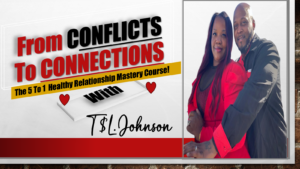
Transform Your Conflicts Into Connections
Realizing that we both want to reach a resolution rather than continue in discord helps us move past the disagreement more effectively.
Negotiating Solutions
Once I’ve established common ground, I aim for a solution that satisfies both parties. Compromise often plays a significant role during negotiations. In my experience, it’s about finding the balance of what both people want and working together to achieve that.
I suggest brainstorming potential solutions and discussing their merits openly. This process not only ensures both voices are heard but also strengthens our problem-solving abilities together.
I’ve found that when I involve the other person in creating a solution, it often feels more equitable, fostering a sense of teamwork instead of creating more division.
Respecting Differences
It’s essential to recognize that differences will always exist, and that’s okay! I’ve learned that respecting each other’s viewpoints—even if I don’t agree with them—can establish mutual respect and understanding, which is crucial.
I remind myself that it’s perfectly okay to have differing opinions. These differences can even enrich discussions, leading to deeper insights if approached correctly.
Ultimately, embracing those differences fosters a stronger bond as we navigate conflict, creating an environment where growth and understanding can flourish.
Following Up
Checking In
Once the conflict has been navigated, I make it a point to check in with the other person. A simple, “How are you feeling about our conversation?” can make a world of difference. It shows that I care about their feelings post-conflict and that I recognize the significance of addressing the issue.
This follow-up helps to reinforce the resolution and ensures that any lingering feelings are addressed. I value feedback not just for the sake of closure, but as a way to grow and improve future interactions.
Moreover, it provides an opportunity to discuss any residual feelings and confirm that we’re on the same page moving forward. I see it as a crucial part of maintaining healthy relationships.
Reflecting on the Experience
After a conflict, I find it beneficial to reflect on the experience as a whole. I analyze what went well, what could have been improved, and how I can apply these insights to future interactions.
This reflection aids my personal growth. It helps me learn about my triggers, responses, and how I might better approach similar situations in the future.
Taking the time to review these experiences ensures that I’m not just moving forward without growth. Instead, I’m actively preparing for future interactions with more wisdom and understanding.
Continuing the Dialogue
Lastly, I keep the lines of communication open following up on past conflicts. I let the other person know I’m available to discuss any future concerns or feelings that might arise.
This ongoing dialogue is crucial since it reinforces that addressing conflict can be done without tension or drama. It promotes a healthy relationship dynamic, proving that we can tackle challenges together.
In my experience, keeping a communication channel open helps strengthen the bond, laying the foundation for a resilient partnership that can withstand future storms.
Frequently Asked Questions
1. What is the first step in resolving conflict without cold shoulders?
The first step is understanding the conflict. Reflect on your feelings and try to pinpoint the root cause to address it effectively.
2. How can I communicate better during conflicts?
Using “I” statements can dramatically improve communication by focusing on your feelings instead of blaming the other person. Active listening is also key!
3. What if I can’t find common ground with the other person?
Respecting each other’s differences is important. Sometimes agreeing to disagree can be the solution, as not every conflict will have a mutual resolution.
4. Why is follow-up important after resolving a conflict?
Following up shows that you genuinely care about the other person’s feelings and reinforces the resolution established, preventing future misunderstandings.
5. How can I avoid cold shoulders in future conflicts?
By maintaining open communication, practicing empathy, and appreciating different perspectives, you can create a healthy environment for addressing conflicts head-on in the future.

Schedule Your First 20-Minute Coaching
Call With Us Today to see if we fit . You pick the price!
Click Here


