
Empathy as the Foundation
Understanding Others’ Perspectives
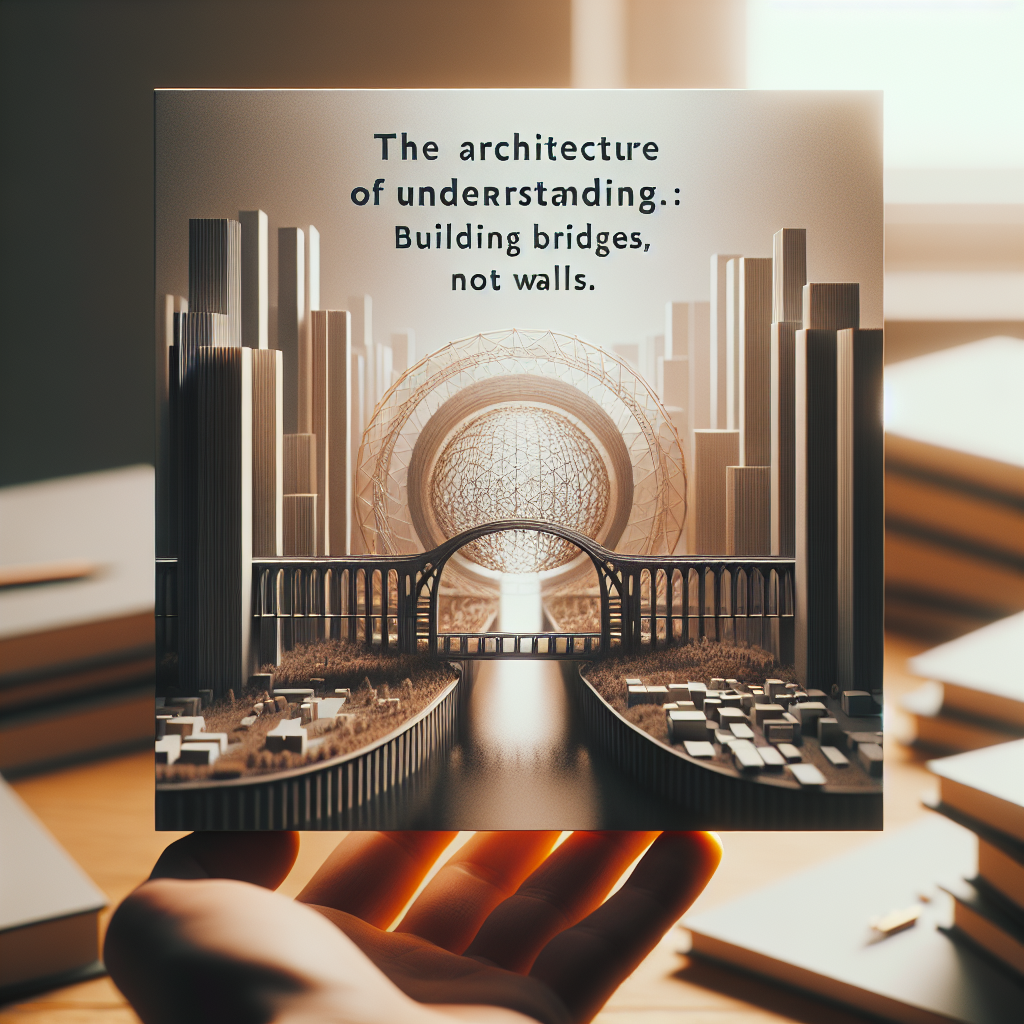
Empathy is an essential building block for any successful relationship. From personal experiences, I have discovered that truly understanding someone else’s situation is crucial in creating a bridge instead of a wall. When I listen to others and try to walk in their shoes, it opens up avenues for deeper connections.
To foster empathy, I often remind myself to ask open-ended questions. This not only promotes dialogue but also shows that I genuinely care about their feelings and thoughts. In conversations, I’ve seen how asking, “How did that make you feel?” can lead to breakthroughs in understanding.
Also, embracing vulnerability by sharing my own feelings can encourage others to do the same. It might feel scary at first, but sharing personal stories humanizes our interactions, making it easier to build a foundation of trust.
Cultivating Active Listening
Active listening goes hand in hand with empathy. I know it can be easy to get distracted, especially with our fast-paced lives. However, I’ve found that giving my full attention during conversations reaps huge benefits. It involves not just hearing the words spoken but also paying attention to non-verbal cues.
When I practice active listening, I often paraphrase what I’ve heard to ensure I understood correctly. This exercise not only clarifies the conversation but also shows the speaker that I value what they’re sharing. I have seen this practice transform many of my interactions into meaningful exchanges.
It’s also essential to respond thoughtfully. Whether it’s a nod, a smile, or verbal agreement, acknowledging what is being said reassures the speaker that their words resonate with me. This simple act strengthens our connection and furthers our understanding.
Creating Safe Spaces for Dialogue
Sometimes, people need a little extra courage to share their thoughts. From my own experiences, I’ve learned the importance of creating a safe space for dialogue. This involves fostering an environment where everyone feels comfortable being vulnerable without fear of judgment.
Whether it’s among friends, colleagues, or family, I always emphasize the need for respect and openness. Setting guidelines for constructive discussions helps. I remember a time when I organized a group chat where we each got to share ideas without interruption, and it was enlightening.
Additionally, being aware of my tone and body language can reinforce this safe atmosphere. By being approachable and encouraging, I’ve noticed that people are more willing to open up, leading to richer conversations that build bridges, not walls.
Effective Communication Techniques
Using Clear Language
One of the most significant lessons I’ve learned is the power of using clear and concise language. Miscommunication can often lead to misunderstandings that erect walls instead of bridges. I always strive to express my thoughts in a way that is easy for others to grasp.
When I prepare for discussions, I make an effort to outline my key points beforehand. This preparation doesn’t mean I’m rigid; rather, it provides a clear structure that guides the conversation and helps keep everyone on the same page.
Moreover, I try to adapt my language according to my audience. I’ve found that when I match my communication style to the listener’s level of understanding, it fosters clarity and enhances connection, effectively breaking down barriers.
Encouraging Feedback
Feedback has always been a two-way street for me, and I value creating an open feedback culture in my interactions. I encourage others to share their thoughts on my perspectives, which creates a collaborative environment. I often say, “What do you think about what I just said?” This engages them more actively in the conversation.
When I receive feedback, I try my best to welcome it with open arms. Constructive criticism offers me a chance to better myself, which I view as a bridge to growth. This practice turns tough feedback into meaningful discussions on how we can move forward together.
It’s essential to remind ourselves that feedback doesn’t have to be negative; it can be a positive reinforcement too. Celebrating achievements and acknowledging contributions help foster a culture where everyone feels valued.
Non-Verbal Communication Skills
Non-verbal communication plays a crucial role in how we connect with others. I’ve realized that my body language, facial expressions, and even my posture can either build bridges or create walls in interactions. I consciously maintain eye contact and open gestures that convey warmth and openness.
I’ve also started to notice how important it is to align my non-verbal cues with verbal messages. For instance, crossing my arms while discussing sensitive topics can inadvertently send mixed signals. By being aware of these cues, I can enhance my communication significantly.
I often encourage others to pay attention to their body language as well. For example, when someone leans in during a conversation, it typically shows interest and engagement. Recognizing these signals provides us with a deeper understanding of how the other person is feeling, which helps foster better connections.
Building Trust Through Transparency
Being Open and Honest
During my journey of connection-building, one of the most valuable lessons has been the significance of transparency. When I am open and honest in my interactions, it fosters an atmosphere of trust. I strive to share my thoughts and feelings candidly with others, which encourages them to reciprocate.
There was a time when I experienced a conflict, and rather than tiptoeing around the issue, I openly discussed my feelings with the other person. It was tough at first, but that moment of vulnerability paved the way for resolution and strengthened our relationship.
Moreover, I find that transparency leads to greater accountability. Acknowledging mistakes, as hard as it may be, creates a foundation for growth and illustrates commitment to the relationship.

Establishing Mutual Goals
When it comes to collaborative projects or relationships, I’ve found that establishing mutual goals can be an excellent way to solidify trust. Setting shared objectives helps everyone move in the same direction and promotes teamwork. I often suggest brainstorming sessions where we can align our visions and aspirations.
This practice not only creates clarity but fosters a sense of collective ownership. For instance, in team projects, I’ve observed increased motivation when everyone is on board with the goals we aim to achieve together. I can feel it elevating the group dynamic!
Additionally, keeping these goals in sight and regularly reviewing our progress reinforces accountability and transparency, solidifying the trust within the team.
Fostering Consistency
For me, trust is built over time, and consistency plays a pivotal role in that process. I strive to be reliable and follow through on my commitments, whether personal or professional. This habit reinforces the idea that my words match my actions—a vital part of building bridges.
There have been times when I fell short of that and learned quickly how disappointing it can be for others. By making an effort to uphold my promises, I help maintain the trust required to keep our connections strong.
Moreover, I believe consistency in communication is equally important. Regular check-ins and updates help ensure that everyone feels engaged and valued, fortifying our relationships over time.
Building Community and Collaboration
Creating Collaborative Opportunities
Seeing the power of collaboration in my own life has led me to prioritize creating opportunities for teamwork. Whether in professional settings or personal endeavors, I always look for ways to involve diverse voices. From my perspective, pooling talents and ideas can lead to fantastic outcomes.
A memorable experience was organizing community events where various groups came together. Watching people from different backgrounds collaborate sparked so much energy and creativity—it was truly inspiring! It illustrated to me that working together could help us transcend our differences.
Additionally, I’ve learned that fostering collaboration goes beyond brainstorming sessions. Simple acts like sharing resources and support among teams can create a more profound sense of community and inspire collaborative relationships.
Celebrating Diversity
Diversity is one of the greatest strengths any community can have. I genuinely believe that appreciating each person’s unique background enriches our interactions. In my experience, I’ve witnessed how diverse perspectives lead to richer discussions and more innovative solutions.
I often make it a point to recognize and celebrate the differences within my teams. Whether it’s cultural backgrounds, professional experiences, or skill sets, embracing diversity can turn ordinary gatherings into extraordinary experiences. It opens the door to exploring new ideas!
Furthermore, I encourage others to share their stories. These personal narratives foster connections and build bridges by helping us understand each other better. I’ve found that when we celebrate diversity, we pave the way for collaboration and stronger relationships.
Nurturing Relationships Over Time
Lastly, I’ve learned that relationships need nurturing—like a plant that needs water and sunlight to grow. In my interactions, I always make an effort to check in on people, even when things seem fine on the surface. Keeping relationships alive requires a consistent commitment that I believe pays off in the long run.
I make it a point to celebrate milestones and achievements, whether big or small. Recognizing each other’s progress fosters a sense of community and shared joy, which deepens our connections.
Additionally, I’ve found that continuing to learn from each other enhances relationships. When we’re open to growth and change, it ensures our connections thrive over time, reinforcing the bridges we’ve built.
Frequently Asked Questions
What does “building bridges, not walls,” mean in this context?
The phrase embodies the idea of fostering understanding, empathy, and collaboration in relationships rather than creating divisions or misunderstandings. It encourages open communication and connection among individuals.
How can empathy improve our personal relationships?
Empathy allows us to understand the feelings and perspectives of others, leading to deeper connections and trust. It promotes better communication and helps to resolve conflicts more effectively.
Why is active listening crucial for effective communication?
Active listening enhances understanding by ensuring the speaker feels heard and valued. It also helps prevent misunderstandings, making it a key component of effective communication.
What role does transparency play in building trust?
Transparency fosters an environment of honesty, encouraging open dialogue. When individuals share their thoughts and feelings openly, it builds a solid foundation of trust within relationships.
How can celebrating diversity enhance teamwork?
Celebrating diversity brings in unique perspectives that can lead to innovative solutions and creative ideas. It fosters a sense of inclusion and respect, ultimately strengthening teamwork and collaborative efforts.

Schedule Your First 20-Minute Coaching
Call With Us Today to see if we fit . You pick the price!
Click Here