

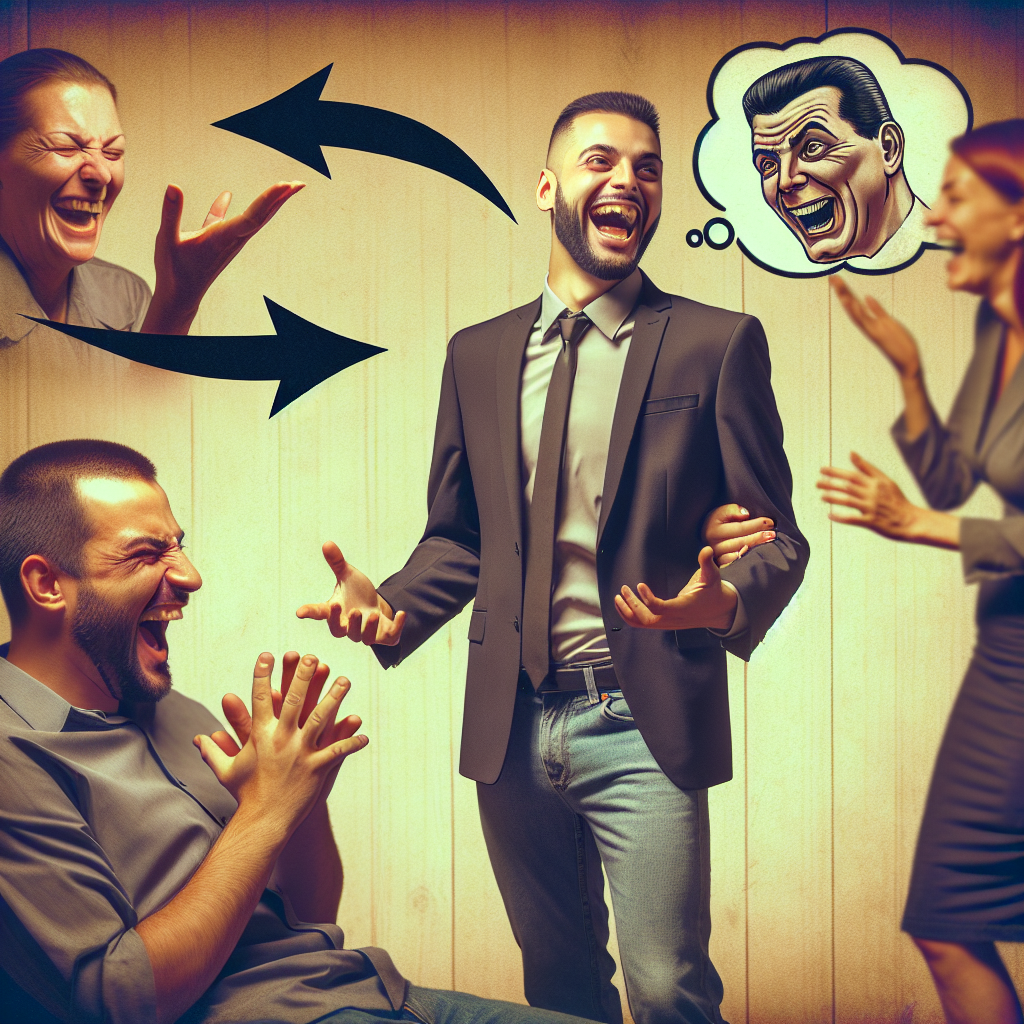
Understanding the Role of Humor in Conflict Resolution
What Humor Can Do
So, let’s dive into what humor actually brings to the table during conflicts. First off, humor acts like a pressure valve when tensions are sky-high. I’m sure we’ve all been in situations where the heat of the moment makes everything feel ten times worse. A well-placed joke can release that pressure and lighten the mood, making us all a little more elastic in our responses.
When used correctly, humor can foster a sense of connection between people. It reminds us that we’re all human and makes both parties more relatable. This connection is super important. It transforms us from adversaries into colleagues in the same boat trying to find a solution. Trust me, I’ve seen this happen countless times when a group is at odds.
Also, humor can pull us back from the brink of escalation. It’s easy to let emotions boil over, but a quick quip can serve as a reset button. I’ve had moments where a little laughter has steered the discussion away from a downward spiral and back on a constructive path.
Recognizing the Right Moments for Humor
Timing is Everything
Now, humor can be a double-edged sword. The key here is recognizing exactly when to use it. You don’t want to joke about something too serious right off the bat; that just might deepen the divide. I’ve learned that gentle self-deprecation works wonders if the mood allows for it. For instance, I once joked about my relentless habit of spilling coffee during a heated meeting, and it broke the tension completely.
There’s also the element of observing body language. If I notice people are starting to smile or chuckle, I know I’m on the right track. Noticing these subtle cues can help guide me on whether it’s the right moment to lighten things up or if I should hold back.
And let’s not forget about context. Sometimes, humor that worked in one setting might not translate well in another. It’s about being mindful of the situation and crafting a response that fits. I always say, play it safe but don’t overthink it – we all want to be genuine, not forced.
Choosing the Right Type of Humor
Avoiding Miscommunication
Choosing the right type of humor is crucial. You wouldn’t want to go for sarcasm or dark humor during a tense moment. I’ve been there; it backfires more often than not. Instead, I advocate for light-hearted humor that feels inclusive, like shared experiences or cute anecdotes. It creates a safe space.
Also, consider your audience. What makes one person laugh might not land well with another. A good storyteller knows their crowd, and I’ve found that gentle humor tailored to the team I’m dealing with makes all the difference. It’s about fostering a positive atmosphere without alienating anyone.
And remember, self-deprecating humor can be effective, but it shouldn’t become excessive. Balance is key; it’s okay to laugh at yourself, but too much can undermine your authority and the conflict’s resolution. I’ve learned to keep it light while maintaining respect and dignity.
Incorporating Humor in Your Communication Style
Making It Natural
Integrating humor into my regular communication style has been a game-changer. The more I practice, the more natural it feels. I often start meetings or discussions with a light joke related to the topic at hand. It warms people up and sets a friendly tone. I believe it creates an inviting environment where people feel like they can speak up without feeling harsh reprisal.

Transform Your Conflicts Into Connections
This doesn’t mean every sentence is a setup for a punchline, but sprinkling in humor makes even the most mundane topics lively. People email me feedback about how they appreciate that little burst of energy. If I can turn an otherwise gloomy meeting into something enjoyable, I consider that a huge win!
And don’t underestimate the tiniest elements. A funny meme or a light-hearted gif sent in a group chat can sometimes ease a build-up of frustration more than a long email chain. I’ve made it a habit to share those little joys, keeping the mood light and spirits high.
Overcoming the Fear of Missteps with Humor
Embracing Imperfection
Let’s face it, not every joke will land, and that’s okay. I can’t tell you how many times I’ve flopped and gotten crickets instead of laughter. But here’s the punchline – it’s all part of the process! I’ve learned to see humor as an exploration, a journey to understand what resonates with my audience.
Owning those missteps is critical. It’s almost like a bonding experience. If I joke about my failed attempts at humor, it often makes everyone around me share a laugh at the shared experience of awkwardness. It’s like, “Hey, we’re all humans here — let’s just embrace it!”
I also find it essential to not dwell on those flops. The regret can be paralyzing, but moving forward keeps the atmosphere light. Humor should evolve, and recognizing that it’s a learning curve makes it less daunting to use. Feel the fear and do it anyway, right?
Frequently Asked Questions
1. Why is humor effective in conflict resolution?
Humor serves as a release valve for tension, fosters connection, and can pull conversations back from escalating emotions.
2. How can I tell if it’s the right moment to use humor?
Watch for body language cues and the general mood of the conversation. Timing is everything; if the situation feels heavy, a light joke can help.
3. What types of humor should I avoid in a conflict?
Avoid sarcasm, dark humor, or anything that might misinterpret the feelings of others. Aim for light-hearted, inclusive jokes.
4. How do I incorporate humor into my communication style?
Practice regularly, use relevant anecdotes, and find small ways to lighten the mood in everyday conversations.
5. What if my attempts at humor flop?
It happens to everyone! Embrace it, laugh it off, and keep pushing forward. It’s all about building understanding and connection.


Schedule Your First 20-Minute Coaching
Call With Us Today to see if we fit . You pick the price!
Click Here