

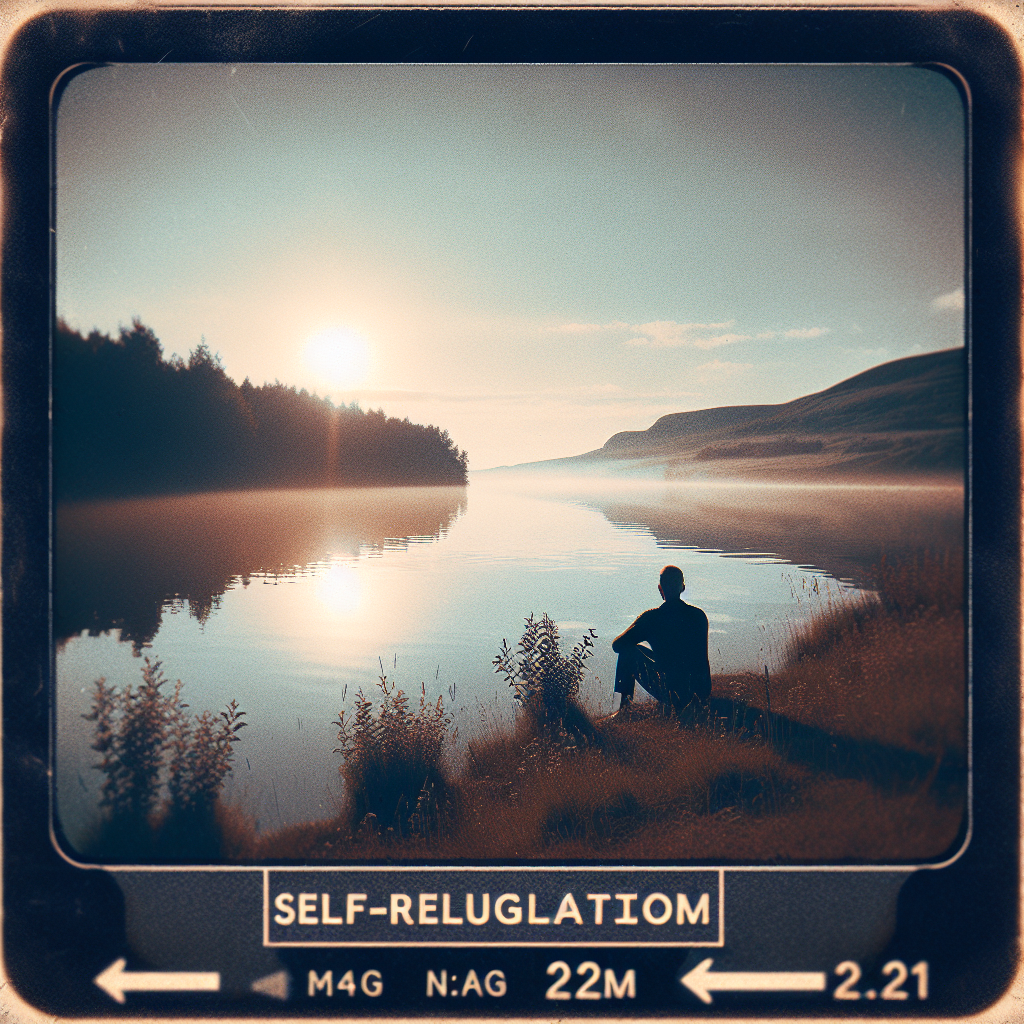
Pause and Reflect
Understanding the Importance of a Pause
You know those moments when something hits you just right, and you feel the urge to jump in and respond immediately? I’ve been there, too. Taking a moment to pause can be incredibly powerful. It’s like pressing the reset button on your reaction. By just stopping for a second, you give yourself the chance to breathe and assess the situation before diving headfirst into a response.
This pause allows your mind to clear, which is crucial. We often respond out of habit or impulse, and that can lead to misunderstandings. When I started consciously making an effort to pause, I realized how many times I was reacting instead of responding thoughtfully. It’s a game-changer!
A simple breath in and out can change your perspective in a heated moment. It gives you just enough time to think about the impact of your words. So, next time you feel that rush to respond, just take a breath. It’s more powerful than it sounds.
Assess Before You Address
Once you’ve hit that pause, the next step is assessing the situation. Ask yourself a few questions: what’s really going on here? Why am I feeling this way? It’s like being a detective in your own life. When I reflect on these questions, I often discover layers to the situation that I hadn’t initially considered.
This self-assessment isn’t just about the other person; it’s also about my feelings. Understanding my triggers can help me tailor my responses in a healthier way. For example, if I realize I’m upset because of a past issue being brought up, I can approach the response from a place of understanding rather than defensiveness.
So, assessing the situation not only prepares me for a better response but also helps me to connect more genuinely with the other person involved. It’s about choosing my words wisely, so they resonate positively instead of simply adding fuel to the fire.
Evaluate Your Emotions
Emotions can be wild creatures, right? Sometimes, they take the wheel without us even realizing it. I’ve learned that before jumping into a response, evaluating my emotions helps to keep everything in check. Identifying what I’m feeling—be it anger, frustration, or even excitement—allows me to recognize the intensity of my reaction.
For instance, I had a situation where I misread a friend’s message and felt hurt. Instead of firing back, I took a step back to reflect. I realized I was projecting my insecurities onto their words. By understanding my feelings, I calmed the storm before responding, which led to a more constructive conversation.
Being aware of our emotions helps in communicating them properly. I strive to express my feelings in a way that promotes understanding rather than conflict. It not only improves my relationships but also polishes my self-regulation skills immensely!
Choose Your Words Wisely
Think About the Impact
Your words carry weight. That’s something I’ve learned on my journey through various conversations. Every word I choose has the power to either build someone up or tear them down. Taking the time to think about what I want to say helps to steer the conversation in a positive direction.
I try to frame my responses in a way that reflects empathy and respect. Instead of jumping to conclusions, I often remind myself to use “I” statements that express my perspective rather than casting blame. For example, saying “I feel” instead of “You always” makes a massive difference.
This isn’t just about avoiding conflict; it’s about nurturing healthy communication. The right choice of words can diffuse a tense situation and foster a better understanding. It’s an essential aspect of self-regulation that can change the tone of any interaction!
Practice Active Listening
Active listening is one of the most underrated skills out there, in my opinion. It’s not just about hearing the other person but truly soaking in what they’re saying. When I make a conscious effort to listen actively, I can respond much more effectively.
During conversations, I often nod, maintain eye contact, and even parrot back what the other person has said to ensure I’ve understood correctly. This practice not only shows my respect towards them but also gives me clarity on how to proceed. The more I listen, the less I feel the impulse to react defensively.
Implementing active listening has made a world of difference. It has saved me from many misunderstandings and has strengthened my relationships. By listening well, I can respond more appropriately and with more compassion, which is a real win-win!
Be Open to Feedback
This one took me a while to embrace. I mean, who loves receiving criticism, right? But the truth is, being open to feedback is crucial in self-regulation. It’s a way of holding up a mirror to my behavior. Every conversation is an opportunity to learn, and sometimes, that learning comes from hearing how I’ve impacted others.

Transform Your Conflicts Into Connections
I actively ask for feedback from friends and family. “How did my response come across?” or “Was I being defensive?”—these questions invite others to share their honest opinions. I get to see my blind spots, which is incredibly eye-opening! It’s like uncovering a treasure trove of personal growth opportunities.
Being receptive to feedback isn’t just about humility; it’s about enhancing my communication skills and becoming more mindful. I genuinely value the perspective of those around me, and it helps me become a more empathetic person overall, so why not embrace it?
Practice Patience
Give Yourself Grace
We’re all a work in progress, and I have to remind myself of this regularly. Practicing self-regulation is a journey and not a destination. I’ve had my fair share of moments where I didn’t respond in the best way, and instead of beating myself up, I’ve learned to give myself grace.
It’s so important to remember that it’s okay not to be perfect. Recognizing that we all slip sometimes allows us to be kinder to ourselves and others. Each experience can be a lesson learned, so I focus on reflecting instead of dwelling on mistakes.
Practicing this grace has made it easier to maintain my composure in tough situations. When I approach life with patience and a forgiving attitude towards myself, it’s reflected in how I interact with others. That sense of kindness can transform a conversation!
Know When to Seek Help
If you ever find that practicing self-regulation feels overwhelming, don’t hesitate to reach out for support. I can’t stress enough how important it is to recognize when you need a helping hand. Sometimes, it can feel like we’re carrying the weight of the world on our shoulders, and that’s completely okay!
Whether it’s talking to a close friend, a therapist, or even a mentor, having someone to discuss your feelings and experiences with can be incredibly beneficial. They can provide a fresh perspective and help you navigate challenging situations.
For me, reaching out has been a lifesaver. Having someone to talk to not only provides relief but also helps me in choosing my responses more wisely. It’s a reminder that we’re never alone in this, and sharing our challenges can be a beautiful step toward better self-regulation.
Celebrate Small Wins
Finally, don’t forget to celebrate your progress. Every time you manage to self-regulate before responding is a victory worth acknowledging. I’ve found that tracking my small wins, such as responding with patience instead of frustration, can boost my motivation.
By recognizing these achievements, I’m more likely to continue practicing these techniques. Celebrating progress isn’t just about the big moments; it’s about acknowledging the tiny steps we take, too. Each small win contributes to my overall growth!
So, next time you catch yourself responding thoughtfully rather than impulsively, give yourself a mental high-five. It’s all part of the journey to being more self-regulated and emotionally intelligent!
FAQs
What is self-regulation?
Self-regulation is the ability to manage your thoughts, emotions, and behaviors effectively. It involves controlling impulsive reactions and making thoughtful decisions based on the circumstances at hand.
How can I improve my self-regulation skills?
You can improve self-regulation by practicing skills like pausing before responding, being aware of your emotions, and choosing your words carefully. Implementing strategies like active listening and seeking feedback can also be beneficial.
Why is pausing important before responding?
Pausing helps to clear your mind and lets you assess the situation better. It prevents impulsive reactions that can lead to misunderstandings or conflicts, allowing for more thoughtful responses.
Can self-regulation help in personal relationships?
Absolutely! Practicing self-regulation can lead to better communication and understanding in personal relationships. It helps individuals respond with empathy and reduce potential conflicts.
How do I know when I need to seek help with self-regulation?
If you find that self-regulating feels consistently overwhelming or you’re struggling with managing your emotions, reaching out for support from friends, family, or professionals can provide the guidance and perspective you need.


Schedule Your First 20-Minute Coaching
Call With Us Today to see if we fit . You pick the price!
Click Here