

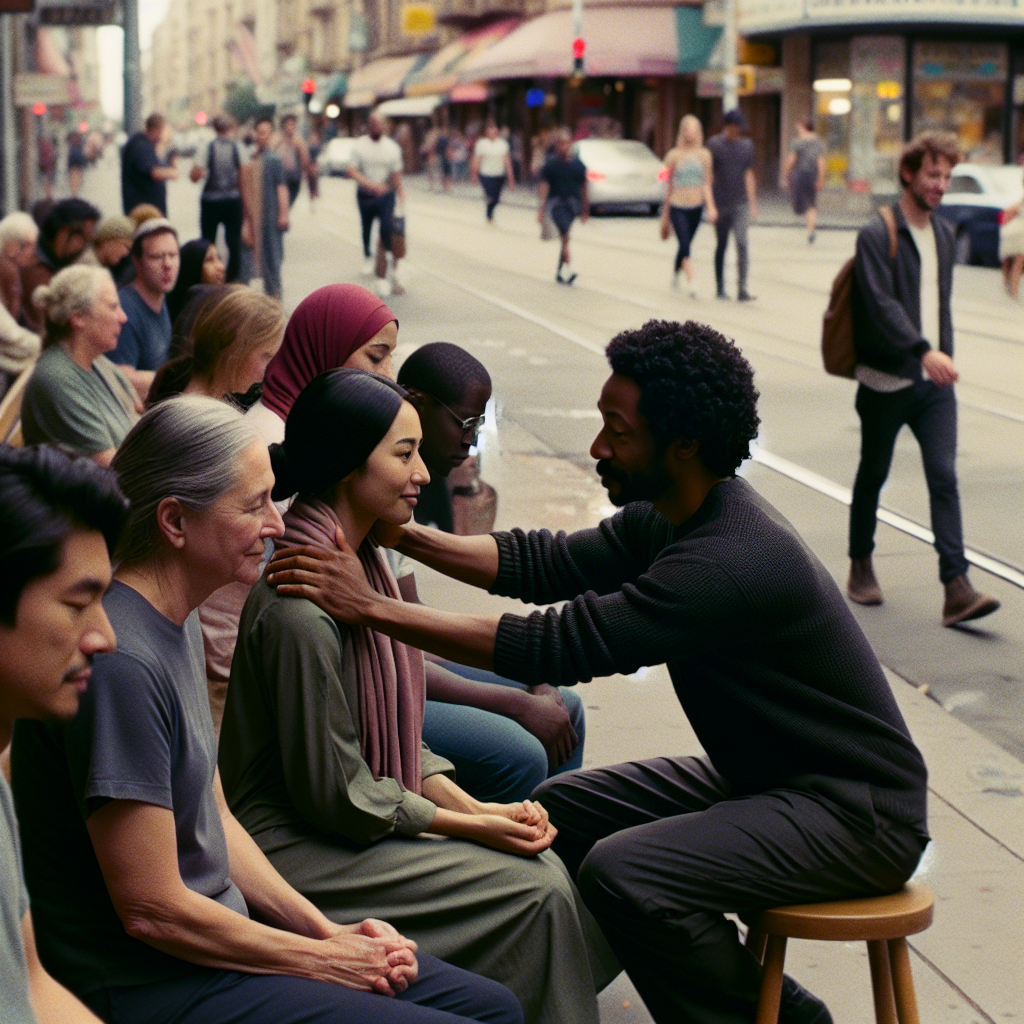
Deep Listening
Understanding the Importance of Listening
I’ve learned the hard way that listening is not just about hearing words. It’s about fully engaging with what someone is saying. When I genuinely listen, I can connect on a deeper level. This isn’t just a skill; it’s an art form that fosters trust.
By truly hearing someone out, I’ve noticed how it opens the door for more meaningful conversations. Not just waiting for my turn to speak, but soaking in the feelings and nuances behind their words. It’s incredible how much richer our interactions become!
Plus, people feel valued when they see someone actively listening. I’ve had friends tell me how refreshing it is to talk to someone who isn’t distracted or rushing to respond, and that motivates me to keep practicing this essential part of relational intelligence.
Practicing Active Listening Techniques
One of the go-to techniques I use is nodding and creating small affirmations like, “I see” or, “That makes sense.” These little expressions show that I’m not just a bystander but a participant in the conversation. This shifts the dynamic entirely!
Another helpful strategy is to paraphrase what the other person has said. When I restate their point, it not only confirms that I’m on the same page but also gives them a chance to clarify if I missed something. It’s a win-win!
Lastly, minimizing distractions goes a long way. I make it a point to put my phone away during conversations. This simple action communicates that they have my full attention and makes them feel appreciated, and believe me, it shows in the warmth of our interaction.
Body Language Matters
I’ve become increasingly aware that our body language often speaks louder than words. When I lean in slightly or maintain eye contact, it sends an immediate signal that I’m all in. It’s fascinating how this non-verbal communication enriches the entire conversation!
Mirroring the other person’s body language is another cool trick I’ve discovered. It creates a sense of camaraderie, a silent agreement that enhances the connection. I love how small gestures foster a deeper bond.
So, I always keep my posture open and inviting, which in turn makes others feel at ease. When they feel comfortable, the conversation flows naturally, and I find ourselves sharing more genuine thoughts and feelings!
Empathy in Action
Stepping Into Their Shoes
Empathy is key; it’s about being able to step into someone else’s shoes and feel their emotions. It’s a game changer! When a friend shares their struggle, rather than jumping straight to advice, I pause to understand what they’re feeling. This has deepened friendships in ways I never envisioned.
While being empathetic, I try to remember that everyone has their battles. Just the other day, a colleague was having a rough time at work. Instead of offering quick solutions, I just listened and acknowledged how challenging that was. It felt like a relief to them!
Being present in that shared space of emotion builds bridges of understanding. I’ve found that sometimes people just need someone to share their heavy thoughts with before they feel ready to tackle them head-on.
Sharing Vulnerability
There’s something about being a little vulnerable myself that encourages others to open up. When I share my own struggles or uncertainties, it creates a comfortable atmosphere for them to do the same. I find that it levels the playing field and fosters genuine connections.
Each time I choose to share a personal story, I notice a shift. The air becomes lighter as we laugh or process together. It’s liberating to know that vulnerability often sparks authenticity, leading to deeper relationships.
I’ve realized that when I’m authentic about my own challenges, it creates an inviting space for others. So, next time you’re chatting, try being a bit open about your own experiences—it works wonders!
Responding with Compassion
Responding with compassion is the cherry on top! Whenever I sense someone is struggling, I make an effort to validate their feelings. Phrases like “That sounds really hard” or “It’s completely understandable to feel that way” go a long way in showing support.
Compassion isn’t just about the kind words, though. When I offer help, even in small ways, it demonstrates that I genuinely care. Recently, I offered a friend help with a project they were overwhelmed with. Just knowing I was there made a significant difference for them.
Ultimately, when I respond compassionately, I contribute to nurturing the relationship. I’ve built a network of friends who know they can turn to me when things get tough, and that’s gold in my book!
Conflict Resolution
Avoiding Escalation
Disagreements are, unfortunately, part of life. I’ve become more adept at handling conflicts gracefully. The key for me has been keeping my cool and avoiding escalation whenever tempers rise. Staying calm allows for rational discussion rather than shouting matches!
I always try to pause and take a breath. This usually helps me approach the situation with a clearer mind. When I can express how I feel without blame, it opens the door for others to respond positively, too.
When I notice someone getting upset, I make a point to acknowledge their feelings. Just recognizing what they’re going through can diffuse tension and create a platform for healthier discussions.


Transform Your Conflicts Into Connections
Finding Common Ground
Instead of focusing on the differences, I try to emphasize areas where we can agree. When I’m in conflict, it often helps to shift the focus to mutual goals or shared values. I want to build bridges, not walls!
After a disagreement, I often ask questions like, “What can we do to resolve this?” or “Where do we both stand on this?” Opening the floor to collaboration encourages us to work as a team rather than opponents.
Ultimately, when I take the time to find common ground, it reminds us both that we’re on the same side. It’s a powerful tool in creating lasting connections!
Apologies and Forgiveness
Apologizing doesn’t always come naturally, but it’s crucial in mending relationships. I’ve found that recognizing my part in a problem and genuinely saying “I’m sorry” can heal wounds that words alone cannot.
Likewise, I know it’s equally important to practice forgiveness. Holding onto grudges does nothing but weigh me down. Instead, I focus on letting go and moving forward; it makes life so much lighter!
Each time I find the courage to apologize or forgive, I create space for growth in my relationships. It reinforces the bond as we navigate through misunderstandings together, making us stronger in the long run.
Consistent Check-Ins
Keeping the Conversation Going
It’s easy to lose touch, especially when life gets busy. I make it a priority to check in with friends and family regularly. Simple texts just to say, “Hey, how’s everything going?” remind them that I care and strengthen our bond.
What I love about consistent communication is it creates an ongoing conversation. It encourages people to share their thoughts and feelings more openly. It truly makes a difference to hear from someone, even when life gets hectic!
Even the smallest, most casual messages can brighten someone’s day. I’m all about creating those moments that keep the connection alive. It’s a game-changer for maintaining friendships!
Organizing Regular Gatherings
I find that regular gatherings—be it a coffee date or a monthly dinner—help strengthen relationships. Making those plans shows that I value spending time with them. Plus, it opens the door for deeper discussions and laughter!
During these gatherings, I often reflect on how much I appreciate having them in my life. Highlighting the positives enhances our connection. I’m keen on creating memories that we’ll cherish, and that brings us closer together.
When I look back on shared moments, I realize how those little meetings transform into great stories and lasting friendships. So, I keep trying to schedule those hangouts—it’s worth every minute!
Listening to Feedback
I’ve learned the importance of being open to feedback in maintaining healthy relationships. When I ask for input on how I’m perceived or if there’s something I could improve, it shows I’m committed to making things better.
Receiving feedback isn’t always easy, but it’s crucial for growth. I try to approach it with an open heart. Every comment is a stepping stone towards becoming a better friend, partner, or colleague.
Lastly, acting on feedback demonstrates that I care. If someone brings something to my attention, I strive to make changes when possible. It reassures them that their input is valued, thus strengthening our relationship!
Conclusion
Practicing relational intelligence daily enriches our interactions and nurtures meaningful connections. Whether through deep listening, empathy, conflict resolution, or consistent check-ins, every small effort counts. Remember, relational intelligence is a muscle that gets stronger with practice!
FAQ
1. What is relational intelligence?
Relational intelligence is the ability to effectively understand and navigate the dynamics of personal relationships, enabling us to foster better connections with others.
2. How can I improve my listening skills?
Practice active listening by minimizing distractions, paraphrasing what the other person says, and maintaining open body language to show that you’re fully engaged.
3. Why is empathy important in relationships?
Empathy helps build trust and understanding in relationships. It allows us to connect with others’ feelings and supports deeper, more meaningful conversations.
4. How should I handle conflicts?
Approach conflicts calmly, seek common ground, and strive for resolution. Acknowledging feelings and apologizing when necessary can also mend misunderstandings.
5. How often should I check in with friends?
Regular check-ins, whether through texts or casual meetups, maintain connections. Aim for consistency, ensuring they feel valued and remembered!


Schedule Your First 20-Minute Coaching
Call With Us Today to see if we fit . You pick the price!
Click Here