
Recognizing Your Emotions
Understanding Your Feelings
We’ve all been there—those moments when emotions run high, and every little thing feels amplified. The key is to take a step back and really check in with ourselves. A lot of times, what we feel boils down to deeper issues that we might not even be aware of. It’s like peeling an onion; each layer reveals something new.
I like to take a moment to sit quietly and ask myself: What exactly am I feeling? Am I angry, sad, frustrated? Identifying the exact feelings often helps me get to the core of the issue—a necessary first step to moving forward.
Additionally, journaling has been an absolute game-changer for me. Writing these feelings down gives me clarity and helps me express emotions without reacting in the heat of the moment. Try it—even if you just jot down a few sentences about how you’re feeling.
Validating Your Emotions
It’s super important to give ourselves permission to feel whatever we’re feeling. Sometimes, we can end up dismissing our emotions as “not a big deal” or telling ourselves we shouldn’t feel a certain way. But let’s face it, every emotion is valid. Whether it’s anger, sadness, or frustration, acknowledging these emotions without guilt can be incredibly liberating.
I’ve learned that it’s totally okay to sit with my emotions for a bit. Instead of rushing to solve the problem, I find that just sitting with those feelings can provide enlightenment. It’s a form of self-compassion that I think everyone should practice.
Moreover, talking it out with someone I trust really helps me feel less alone. Hearing someone else say, “I get it,” can make a world of difference. We don’t have to manage everything by ourselves.
Expressing Your Feelings Constructively
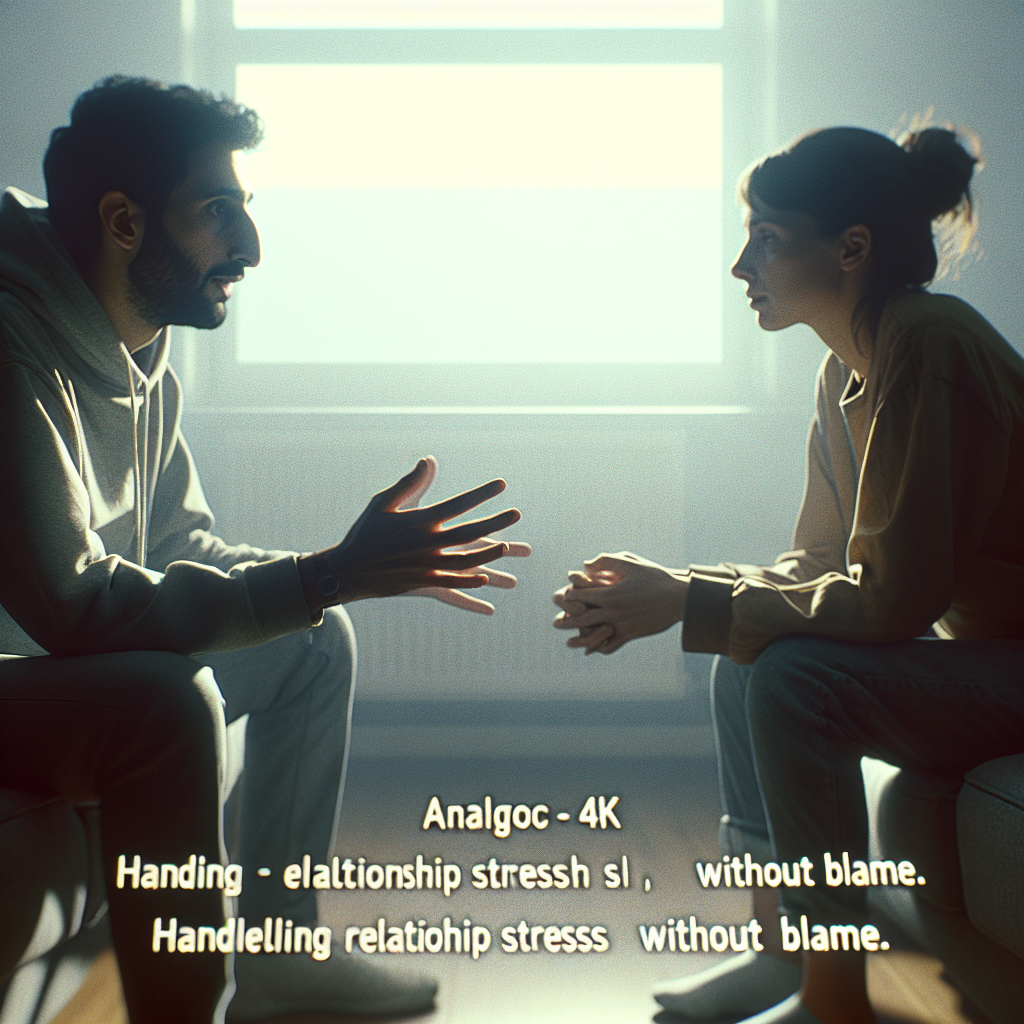
Once you’ve recognized and validated how you feel, it’s time to express those feelings to your partner. But here’s where it often gets tricky! If you express your feelings angrily or defensively, it can lead to more conflict. Instead, I focus on using “I” statements—like “I feel hurt when you…” instead of “You always make me feel…”
This small shift in communication makes a huge difference. It allows your partner to hear you without immediately getting defensive, which only fuels the flame. I try to approach these conversations from a place of love, reminding myself that we’re both on the same team.
Also, timing matters. I always aim to find a moment when both of us are calm and not distracted. Trying to resolve conflict during a stressful time often leads to miscommunication and misunderstandings.
Taking Responsibility
Acknowledge Your Part in the Situation
Now, let’s be real: relationships are never just one person’s fault. It’s essential to examine where I might have contributed to the stress. Is there something I said or did that triggered this? Taking responsibility where it’s due helps both me and my partner grow.
This isn’t about placing blame on myself, but rather about owning up to the role I play in the drama. I’ve found that true strength comes from being humble enough to admit I might not have been perfect, and that realization opens up an opportunity for better communication.
When I bring this awareness into discussions, it shifts the mood pretty dramatically. I feel more unified with my partner, knowing we’re navigating the rough waters as a team instead of blaming each other.
Choosing How to Respond
Stressful moments can lead to knee-jerk reactions, but taking a step back before reacting is crucial. I’ve learned to avoid escalating the situation further by consciously deciding how to respond instead of react. This little self-check helps me maintain my composure and keeps the atmosphere from heating up even more.
Sometimes, just taking a deep breath can create enough space to think clearly. I also find it helpful to pause and ask myself how I would want to be treated if the roles were reversed. This reflection often guides me to respond with kindness rather than defensiveness.
This approach doesn’t mean that I ignore my feelings. Rather, it’s about showing compassion—not just to my partner, but to myself as well. I learned that putting a bit of thought into my response can lead to far more fruitful and loving conversations.
Encouraging Mutual Accountability
Encouraging my partner to also take responsibility doesn’t mean playing the blame game. I like to frame it in a way that feels like a partnership. Phrases like “We can figure this out together,” can remind both of us that we’re here to support each other. Together, we can create a culture of accountability.
When we both own our parts, it builds trust and accountability. It’s as if we are giving each other permission to be real and vulnerable, knowing that we are still safe and understood in our relationship.
Mutual accountability fosters growth, both as individuals and as a couple. It’s powerful to look back on how we’ve both changed and strengthened through challenges together over time.
Finding Solutions Together
Collaborative Problem-Solving
Solving problems as a team is the most important part. After discussing our feelings and acknowledging our respective roles, we then try to hammer out a solution that benefits both of us. I’ve often found that brainstorming together can lead to creative solutions we hadn’t considered.
Our goal is to approach the issue as partners, so we share ideas without judgment. It’s not about who’s right or wrong, but how we can merge our thoughts into a workable solution. I love it when we can come up with a plan that feels good for both sides.
Patience is crucial here; sometimes, real solutions take time. I remind myself (and my partner) that it’s okay to revisit our ideas if they don’t work right away. Flexibility is key!

Transform Your Conflicts Into Connections
Setting Boundaries
After identifying triggers and stressors, establishing boundaries is a big deal in preventing future conflicts. I’ve come to realize that it’s necessary for my own well-being to communicate what I need to feel safe and respected in our relationship.
Sharing my boundaries doesn’t have to be confrontational; it should come from a place of care and concern. I focus on framing my needs positively instead of “You can’t do that!” For instance, “I feel more connected when we spend quality time together,” rolls off the tongue better and leaves room for collaboration.
It’s essential that we both agree on these boundaries together to make sure neither of us feels constrained. Creating an environment of safety where both of us can thrive will ultimately enhance our relationship.
Regular Check-Ins
Life gets busy, and it’s easy to lose track of what might be bothering each other. That’s why setting up regular check-ins between me and my partner has been a blessing. These moments help us assess how well we’re handling stress and remind us to keep communication flowing smoothly.
I love to equip our check-ins with a friendly vibe—nothing too serious. We often sit with a cup of tea and share what’s been good, what’s been stressful, and anything we want to adjust. It keeps us connected and aware of each other’s feelings.
It’s beautiful to witness how much our relationship has strengthened by addressing small stressors before they turn into big issues. These check-ins remind us that we’re incredibly fortunate to have one another.
Seeking Support
Engaging a Neutral Third Party
Sometimes, despite all efforts, things just get a bit too intense for the two of us. That’s when seeking help from a neutral third party can be a great approach. Therapy or counseling can introduce a fresh perspective and offer tools that we might not have thought of.
I remember when my partner and I attended sessions together; it felt like an eye-opener. Having someone guide our conversations allowed us to safely explore everything without judgment. We always left each session feeling lighter and more united.
Couples therapy isn’t a sign of weakness; it’s more like a toolkit for maintaining our bond. It’s totally okay to reach out for help whenever we need it!
Building a Support Network
Having friends or family to talk to can make a huge difference. I encourage maintaining a healthy support network where friends can lend an ear or offer their experiences. Just chatting openly with friends sometimes sheds light on things I hadn’t considered.
However, it’s vital to set the boundaries with friends as well. We don’t want others’ opinions to sway our decisions too heavily. Instead, I simply want to gain perspective, which helps me feel more grounded in my thoughts.
Transforming stress into an opportunity for growth, together or with friends, emphasizes the importance of community in our lives. Surrounding ourselves with nurturing support is a helpful remedy against the stress of relationships.
Learning Continuously
Lastly, I believe strongly in continuous learning in relationships. Each relationship is unique, and the challenges we face can teach us invaluable lessons. Whether through self-help books, workshops, or online resources, I’m always on the lookout for new ideas and insights.
Being proactive about learning has helped me approach my relationship with curiosity, rather than fear. Each issue is merely an opportunity to grow, rather than a threat to our happiness. I find it exhilarating!
Remember, relationships are about evolving together. Regularly reflecting on our journey keeps our connection fresh and vibrant. Learning keeps us growing together instead of growing apart.
FAQ
1. What should I do if my partner blames me during a stressful situation?
Stay calm and practice how to listen actively. Try to express your feelings without going into a blame game. It’s essential to focus on what both of you can improve instead.
2. Can I handle relationship stress alone?
While it’s possible to work through stress individually, relationships thrive on mutual support and communication. Engaging with your partner on these matters often leads to deeper understanding and love.
3. How important is it to set boundaries in a relationship?
Setting boundaries is crucial as they help establish safety and respect between partners. They contribute to healthier interactions and minimize the likelihood of hurt feelings.
4. What if my partner refuses to participate in finding a solution?
It can be tough when one partner is not willing. Show empathy towards their feelings and try to create an open space where they feel safe to express their concerns. Encouragement and patience can go a long way.
5. Is seeking third-party help a sign of a failing relationship?
Not at all! Seeking a third-party perspective, like therapy, shows a commitment to improving the relationship. It can offer tools and strategies that strengthen the bond between partners.


Schedule Your First 20-Minute Coaching
Call With Us Today to see if we fit . You pick the price!
Click Here