

 admin
adminUnderstanding the Conflict
Identifying the Root Cause
First off, understanding what’s really causing the conflict is key. I’ve found that often, the stated issue is just the tip of the iceberg. You really want to peel back those layers. Ask questions and listen attentively. Are they frustrated about a project deadline, or is there something deeper—like feeling undervalued?
Your focus should be on creating an open dialogue. I’ve seen that when I invite others to share their thoughts, it not only lowers the tension but can also reveal avenues for resolution that I hadn’t considered. It’s all about getting the other person to feel safe and heard.
Once you pinpoint the underlying issue, you can begin to explore solutions. This isn’t just a band-aid fix; it’s about making meaningful changes. The key takeaway is that you should approach each conversation with curiosity instead of confrontation. Trust me, it pays off.
Listening With Intention
Pursuing Active Listening
Active listening is truly an art. I mean, we all think we’re great listeners until we’re actually put to the test. When someone is sharing their side, it’s easy to become distracted or even start planning your rebuttal. But from my experience, putting aside my own thoughts and fully absorbing what the other person is saying is essential.
One trick I use is to paraphrase their points back to them. This not only shows that I’m paying attention but also helps clarify any misunderstandings on both sides. It’s amazing how much this can de-escalate tensions. When people feel genuinely heard, they become more open to finding common ground.
Moreover, nonverbal cues matter just as much as words. I make sure my body language conveys openness and empathy. Leaning slightly forward and maintaining eye contact can do wonders in creating a trust-filled atmosphere. So take note—it’s not just what you say, but how you say it!
Expressing Empathy
Putting Yourself in Their Shoes
Ah, empathy. It’s easy to write off as a cliché, but it honestly can change the trajectory of a conflict. When I put myself in the other person’s shoes, I can’t help but understand their emotional state better. Instead of merely assessing the situation from my viewpoint, I try to see it from theirs.
This doesn’t mean I’ll necessarily agree with them, but it does mean I respect their feelings. I often say things like, “I can see why you’d feel that way, given what you’re dealing with.” This simple acknowledgment can diffuse a lot of anger and frustration right out of the gate.
Lastly, practicing empathy doesn’t mean you have to lose sight of your own feelings or opinions. It’s perfectly okay to express your thoughts after validating theirs. It’s all about creating a dialogue where both parties feel valued—not just one over the other.
Communicating Openly
Finding the Right Words
Next up, let’s talk about communication. When tempers flare, it’s so easy to let slip harsh words that you can’t take back. From experience, I’ve learned that choosing my words wisely often makes a huge difference in how the conversation unfolds. I generally aim for a ‘neutral’ tone to prevent adding fuel to the fire.
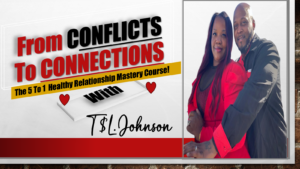
Transform Your Conflicts Into Connections
I try to avoid blame language like “You always” or “You never.” Instead, I frame things more constructively—opting for phrases like “I feel” or “I’ve noticed.” Using “I” statements helps steer the discussion from blame to an expression of my own feelings without directly accusing someone else.
Furthermore, I find that being transparent about my own emotions encourages others to open up as well. This reciprocity creates a more collaborative atmosphere and signals that we are both in this together to fix something that needs fixing. Effective communication really is a two-way street!
Practicing Patience
Allowing Time to Process
Finally, let’s hit on patience. Dealing with conflict can be emotionally draining, and sometimes the best move is just to take a step back. I’ve learned that giving myself (and the other person) adequate time to process feelings can make a world of difference. It’s tempting to want to resolve the issue immediately, but that often backfires.
When emotions are high, sometimes it’s just about breathing and allowing the dust to settle. I usually suggest we take a short break when tensions are rising, and reconnect after a bit. That space allows both sides to gain perspective and re-enter the conversation more thoughtfully.
Above all, practicing patience speaks to your character. It shows the other person that you’re committed to working through issues in a constructive way. They’ll appreciate your willingness to navigate through challenges at a pace that feels right for both of you.
FAQ
1. Why is empathy important in conflict resolution?
Empathy helps both sides feel understood and valued, creating an atmosphere that encourages open communication and a willingness to find solutions. It allows you to see the situation from their perspective, which can significantly soften tensions.
2. How can I improve my active listening skills?
Practice focusing entirely on the speaker without letting your thoughts drift. Summarizing what they say and asking follow-up questions can help solidify your understanding and keep the conversation flowing.
3. What should I do if emotions run high during a conflict?
If emotions escalate, it might be helpful to take a brief break. Allowing space for both parties to cool down is often crucial in preventing hurtful comments that can derail discussions.
4. How can I communicate without sounding accusatory?
Focusing on “I” statements rather than “you” statements is a great way to express your feelings without laying blame. Phrasing your thoughts around your own experiences can foster a more collaborative atmosphere.
5. Is it okay to agree to disagree?
Absolutely! Sometimes, after a thorough discussion, you might realize that you have fundamental differences. It’s perfectly valid to agree to disagree, as long as you both feel heard and respected in the process.
Schedule Your First 20-Minute Coaching
Call With Us Today to see if we fit . You pick the price!
Click Here
Related Content
- Relationship Coaching Services in Canton, New York 13617
- Relationship Coaching Services in Rocky Hill, Connecticut 06067
- Relationship Coaching Services in Ramsay, Michigan 49959
- Relationship Coaching Services in Lexington, South Carolina 29072
- Relationship Coaching Services in Woodsville, New Hampshire 03785


