

 admin
adminHey there! Relationships can be a wild ride, filled with highs and lows that can leave us feeling all sorts of ways, especially during tough times. Stress in a relationship is as common as a rainy day, but how we handle it makes all the difference. Here, I’d love to share some personal insights into ways you can stay grounded during those trying moments. Let’s dive right in!
Practice Open Communication
Expressing Feelings Honestly
First off, let’s talk about the importance of being open. I can’t stress this enough. When you feel something—be it frustration, love, or confusion—speak up! I used to bottle things up, thinking I was protecting my partner’s feelings. But really, it just made things worse. Being honest about how you feel can create a safe space for both of you.
When I learned to express my feelings, I noticed our connection deepened. It’s not just about saying what’s wrong; it’s sharing what makes you happy, too. Celebrate the little victories together! When you share your feelings, you’re inviting your partner into your world, and that’s a beautiful thing.
However, keep in mind that it’s not just about what you say, but how you say it. Choose your words wisely and approach conversations with kindness. Remember, you’re both on the same team, and communication is your strongest weapon.
Creating a Safe Space for Dialogue
Communication doesn’t just happen anywhere, it requires a safe environment. For me, that meant finding the right time and space where we could talk without distractions—like putting our phones away and turning off the TV. It’s amazing how much more authentic your conversations can be when you’re fully present.
I also learned to ask open-ended questions to keep the dialogue flowing. Instead of “Did you have a good day?” try “What was the best part of your day?” This invites more meaningful responses and can lead to more profound discussions.
Also, be ready to listen. Listening actively is just as crucial as speaking. When my partner talks, I try to put aside my own thoughts for a moment and truly hear what they’re saying. It shows you care, and that’s what strengthens bonds.
Addressing Issues Calmly
Of course, discussing serious issues can sometimes lead to heated exchanges. Trust me, I’ve been there! The good news is, you can learn to address tough topics calmly. When emotions run high, take a step back. I’ve found that taking a break to cool down can help you regain perspective and approach the issue with a clearer head.
Instead of “You always do this,” try framing it as “I feel hurt when this happens.” This not only conveys your feelings but also avoids blaming your partner, which can lead to defensiveness. I’ve seen how powerful this shift in language can be!
Ultimately, remember the goal is resolution, not winning. It’s all about finding common ground and understanding each other better. I’ve made mistakes in the past, but as long as you keep trying, you’ll navigate these stress points together.
Prioritize Self-Care
Understanding the Importance of Self-Care
When relationship stress creeps in, it’s easy to forget about yourself. But let me tell you, you can’t pour from an empty cup. Taking care of myself became a priority for me—and it made all the difference. Self-care can look different for everyone. For some, it’s about spending an hour with a good book, while for others, it might mean hitting the gym.
It’s essential to find activities that recharge your batteries. For me, journaling became a game-changer. Writing down my thoughts not only helped clear my mind but also allowed me to gain insight into my feelings. Plus, it’s a pretty good way to vent without creating conflict!
Self-care isn’t selfish; it’s necessary. When I take the time to care for myself, I show up as a better partner, which ultimately benefits our relationship. So go ahead, indulge in some “me-time” because you deserve it!
Setting Boundaries
Self-care isn’t just about what you do; it’s also about what you don’t allow. Setting boundaries has been one of the most crucial things I learned along the way. It can be tough, especially when you love someone, but it’s important for your mental and emotional health.
Identify what your limits are. For instance, I realized that I needed space to process my feelings rather than diving into discussions immediately. Talking about issues when emotions are high can be counterproductive, so I set that boundary for myself. Communicating these boundaries to my partner helped reduce tension and created mutual respect for our needs.
It’s equally important that your partner can set boundaries, too. Respecting each other’s limits fosters trust and understanding. It’s a team effort, and together, you can create a nurturing environment for both of you to thrive.
Engaging in Mindfulness Practices
Mindfulness has been another tool I’ve started to incorporate in my daily life. Taking a few moments to focus on my breathing or trying meditation helped ground me when relationship stress kicked in. I’ll be the first to admit, I was skeptical, but it truly helped me center my thoughts and emotions.
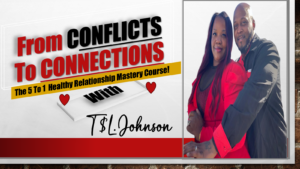
Transform Your Conflicts Into Connections
There are tons of resources available today, from apps to YouTube videos, that can guide you through mindfulness practices. When I’m feeling overwhelmed, simply taking five minutes to refocus my mind can change my entire outlook on the situation.
Mindfulness not only relaxes me but also enhances my ability to communicate better. When I’m calm, I’m more receptive to my partner’s feelings. It’s like flipping a switch—stress doesn’t stand a chance!
Seek Professional Support
Recognizing When to Seek Help
Sometimes, navigating relationship stress alone can feel like climbing a mountain. When small issues snowball into bigger ones, don’t hesitate to seek professional help. Personally, I’ve found that therapy could be a lifesaver. It’s like having a roadmap when the directions seem all mixed up.
Recognizing that we needed a third party to guide us through our communication struggles was a pivotal moment for us. You don’t have to wait till things hit rock bottom. If it’s stressing you out, it’s worth addressing, so don’t feel shy about getting help.
Therapists can provide invaluable tools and strategies for dealing with conflict and stress. It’s not a sign of weakness; it’s a proactive step toward healing and growth in your relationship.
Finding the Right Therapist
Finding the right professional can feel daunting. For me, it was all about doing the research. Look for someone specializing in relationship dynamics and get a feel for their approach. Some offer free consultations, and I’d strongly recommend taking advantage of that to see if they’re a good fit.
Also, don’t shy away from asking friends or family for recommendations. Sometimes the best advice comes from those who’ve already walked the path. Personal stories can help ease your search and give you confidence in your choice.
Once you find someone, remember that it’s a journey. It might take a few sessions to really get into the groove, but trust the process. You’re investing in your relationship, and that’s what counts!
Coping Strategies from a Professional Perspective
Professionals have a wealth of strategies to help couples cope with stress. From cognitive behavioral therapy techniques to communication exercises, I was amazed at the tools we gained through therapy. These aren’t just quick fixes—they are lifelong skills to help navigate the ups and downs of a relationship.
Adopting these strategies took practice, right? One that stood out for us involved role-playing difficult conversations. It felt silly at first, but it helped us understand each other’s perspectives better.
The more you engage with these practices, the more natural they become. Remember, it’s all about progress, not perfection. Keeping an open mind and being willing to work on yourself and your relationship is the best gift you can give each other.
5 Question FAQ
What should I do if I can’t communicate well with my partner?
Start by finding the right environment to have open conversations. If need be, seek help from a professional who can guide you through effective communication techniques.
How can I practice self-care during relationship stress?
Engage in activities that you enjoy and that recharge your energy, whether it’s reading, exercise, or even taking a peaceful walk outdoors. Remember, your well-being is vital for maintaining a healthy relationship.
Is it okay to seek therapy for relationship issues?
Absolutely! Seeking professional help is a proactive step and can provide you both with valuable tools to manage and improve your relationship dynamics.
How can mindfulness help in relationship stress?
Mindfulness can help you stay centered and calm, making you more receptive to your partner’s feelings and allowing for clearer communication—reducing stress and fostering connection.
Can setting boundaries improve my relationship?
Definitely! Setting healthy boundaries fosters respect and understanding, allowing both partners to feel valued and heard within the relationship.
Schedule Your First 20-Minute Coaching
Call With Us Today to see if we fit . You pick the price!
Click Here


