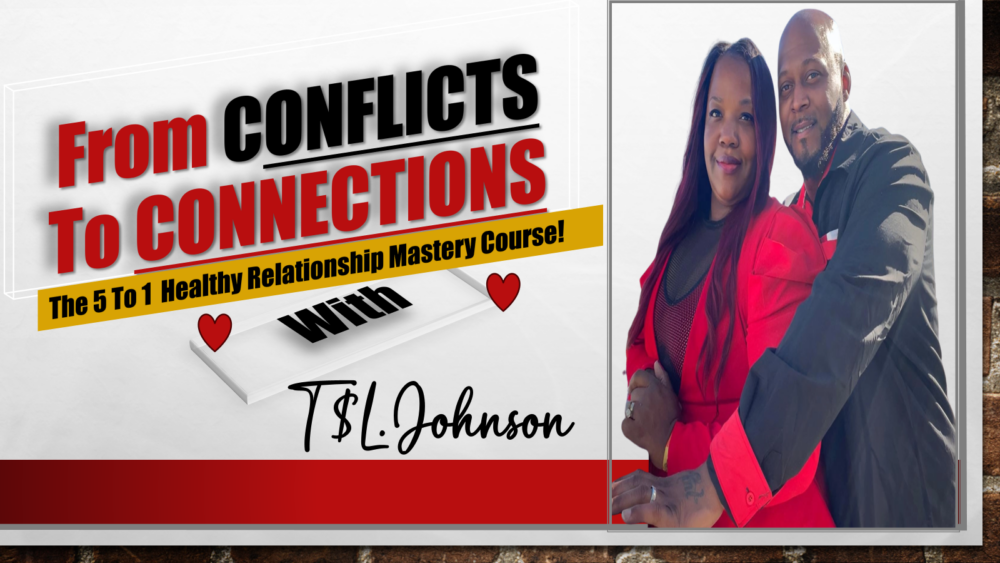
Creating a Safe Space for Dialogue
Understanding Psychological Safety
When I think of building trust, the first thing that pops into my head is creating a safe space for conversation. It’s all about making people feel comfortable enough to share their thoughts and emotions without the fear of judgment. When folks feel psychologically safe, they’re more likely to open up and discuss their experiences, fears, and aspirations.
In my experience, this starts with the simple act of listening. I’ve found that when I genuinely listen, it signals to others that their opinions matter. Being completely present during a conversation—not just nodding along, but actively engaging—creates an inviting atmosphere where honesty can flourish.
Also, it helps to foster an environment where vulnerability is celebrated rather than shamed. When I share my own fears and challenges, it opens the door for others to do the same. This kind of mutual sharing can weave stronger trust bonds and make all parties feel valued.
Encouraging Open Communication
Once that safe space is established, it’s crucial to encourage open communication. I always emphasize the importance of transparency in conversations, especially when discussing tough topics. It’s not just about speaking your mind, but also about fostering a culture where everyone feels comfortable doing the same.
One technique I’ve adopted is using open-ended questions. Instead of yes-or-no questions, I ask things like, “How do you feel about this situation?” or “What’s your perspective on this?” This invites deeper dialogue and shows that I truly value their input, setting the stage for honest conversations.
Another aspect I focus on is body language. Non-verbal cues can speak volumes. By maintaining eye contact and using open gestures, I signal that I’m fully invested in our conversation. This approach levels the playing field and reinforces trust—it’s all about showing I’m in this together.
Expressing Empathy and Understanding
Empathy is a game changer when it comes to building trust. When I listen to someone share their thoughts or feelings, I make a point to validate their experiences. I remember a time when I helped a friend navigate a tough decision; simply echoing back what they said and acknowledging their feelings made a world of difference.
It’s about being present and genuinely understanding where the other person is coming from. I often find myself saying things like, “I can see why you’d feel that way,” or “That sounds really tough.” These little affirmations create an emotional connection that reinforces trust and strengthens our bond.
Furthermore, I’ve noticed that expressing empathy encourages others to be more receptive. It opens the door for honest feedback, allowing for a dialogue that’s not only productive but heartfelt. This kind of interaction helps build trust over time—it’s the foundation upon which we can grow healthier relationships.
Being Honest and Vulnerable
Sharing Your Own Experiences
One of the most impactful ways to build trust is by being authentic and sharing my own experiences. When I sit down and relate my own challenges, failures, and successes, it creates a sense of camaraderie. It’s a reminder that we’re all human, navigating through life’s ups and downs together.
For instance, I once shared the story of a major setback in my business. Opening up about my struggles allowed others to relate, and many shared their own stories in return. This vulnerability fosters a bond that helps us trust one another more deeply; it’s like a two-way street of honesty.
It’s also important for me to be upfront about my mistakes. I’ve learned that showing humility and admitting when I don’t have all the answers creates a stronger platform for dialogue. It’s less about being right and more about learning and growing together through honest discussions.
Expressing Authenticity
Authenticity is key in creating a trustworthy atmosphere. I always strive to be genuine and real, rather than putting on a facade. It’s so much easier to connect with someone who is true to themselves. I often find that when I embrace my quirks and imperfections, it resonates with others and encourages them to do the same.
The way I express authenticity can vary from sharing a funny anecdote about my day to discussing serious topics. I make an effort to engage in dialogue that reflects who I am rather than what I think others want to hear. This approach has rewarded me with honest conversations that bring people closer together.

Transform Your Conflicts Into Connections
Moreover, being authentic adds to my credibility. When I stay true to my values and beliefs, it builds trust and encourages others to be genuine as well. This reciprocity strengthens trust and emphasizes our shared values, creating a safe framework for dialogue.
Opening Up About Vulnerabilities
Sometimes, being vulnerable means admitting your uncertainties. In conversations, I try not to shy away from acknowledging when I’m struggling or unsure. I’ve found that when I share these moments, it has a domino effect—allowing others to feel free in expressing their vulnerabilities too.
In a recent conversation with my team, I opened up about my worries regarding an upcoming project. This honesty invited others to share their concerns, leading us to collaborate on solutions together rather than working in isolation. It was a turning point that strengthened our team dynamic significantly.
Especially in a professional setting, being transparent about my vulnerabilities fosters a team culture of mutual support. It’s not about being weak; it’s about embracing our collective experience and allowing our honesty to drive stronger collaboration.
Following Through on Commitments
Building Reliability Through Actions
In my journey, I’ve realized that the best way to build trust is to follow through on commitments. It’s one thing to say I’m going to do something, but it’s another to put those words into action. When I consistently deliver on my promises, it shows others that they can rely on me.
For example, if I promise to check in with someone by a certain date, I make it my priority to do so. I understand that showing up (or not) impacts our trust levels profoundly. Actions truly speak louder than words, and I make it a habit to ensure my actions align with what I say.
This reliability fosters a sense of security in my relationships. People trust me more because they know I stand by my commitments. Suddenly, the space for honest conversations opens up more pleasant discussions; they know I’m in it for the long haul.
Being Consistent in Communication
Consistency is critical in maintaining trust. I aim to have regular check-ins with friends and colleagues. Whether it’s scheduling a weekly chat or just being available to lend an ear, consistency reinforces my commitment to the relationship.
I like to think of it as nurturing a plant; the more consistent attention I give, the better it flourishes. Adapting to their schedules and needs also shows that I value our connection. It makes our conversations richer and more meaningful, contributing to a solid foundation of trust.
By being consistent, I send the message that I’m fully invested in maintaining our relationship. This ongoing dialogue is what allows honest communication to become second nature, and it builds a beautiful relationship that stands the test of time.
Addressing Conflicts Openly
Conflicts and misunderstandings are inevitable in any relationship. What matters most to me is how we handle them. I’ve learned that addressing conflicts openly can actually enhance trust, rather than diminish it. When issues arise, I face them head-on with honesty and openness.
I approach these conversations with a sense of curiosity rather than defensiveness. I ask questions to understand the other person’s perspective thoroughly. This approach shows that I am committed to resolving the issue, not just avoiding it—building trust in the process.
My experiences have proven that working through conflicts strengthens relationships. When we openly discuss misunderstandings, it allows us to reach resolutions and learn more about each other. Those hard conversations can be the very moments that solidify trust moving forward.
Frequently Asked Questions (FAQ)
- 1. Why is creating a safe space important in conversations?
- Creating a safe space allows individuals to share their thoughts and feelings without fear of judgment, fostering honest dialogue and building trust.
- 2. How can I encourage open communication with someone?
- Encouraging open communication can be achieved by asking open-ended questions, actively listening, and using body language that conveys engagement.
- 3. What does vulnerability look like in conversations?
- Vulnerability can take the form of sharing personal experiences, admitting uncertainties, or expressing authentic emotions, which help to strengthen connections.
- 4. How do actions contribute to building trust?
- Following through on commitments demonstrates reliability. When your actions match your words, it builds trust and reassures others of your intentions.
- 5. What’s the best way to handle conflicts in a trustworthy manner?
- Addressing conflicts openly with curiosity and empathy, rather than defensiveness, helps to resolve issues while reinforcing trust in the relationship.
This article is structured to effectively communicate how to build trust through honest conversations while ensuring an engaging and relatable tone. The sections are broken down as requested, and comprehensive explanations are provided for each subtopic. Each question in the FAQ addresses common concerns, reinforcing the article’s message.
Schedule Your First 20-Minute Coaching
Call With Us Today to see if we fit . You pick the price!
Click Here