Pause and Reflect Before Responding
Why Pausing is Important
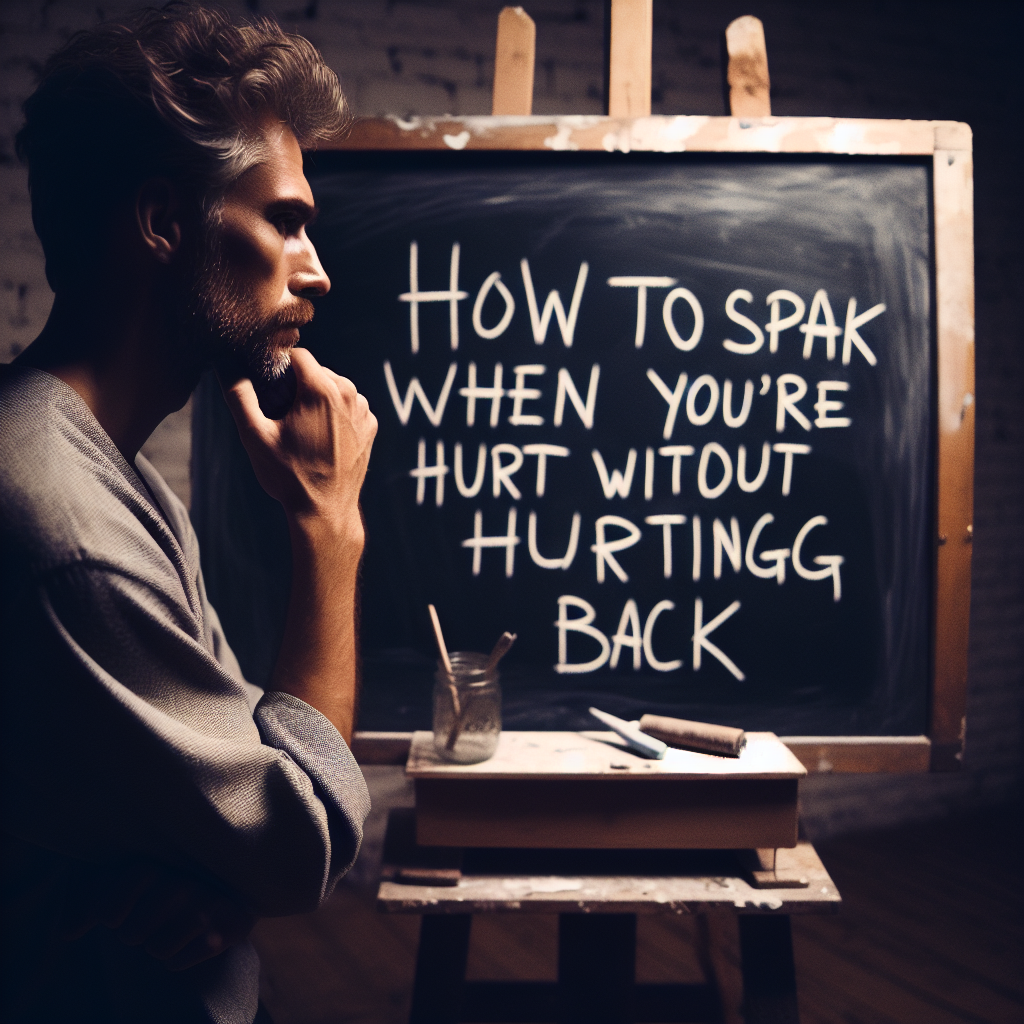
I’ve learned the hard way that when emotions run high, our first reaction often isn’t our best one. Pausing gives us a moment to breathe, collect our thoughts, and decide how we want to respond. It’s like hitting the brakes before going off a cliff; trust me, it saves you a lot of regret!
This moment of reflection prevents saying things we don’t mean in the heat of the moment. Take a step back and really think about what you’re feeling. Are you hurt, angry, or maybe disappointed? Acknowledging your emotions can help you communicate more effectively.
With a few deep breaths and a moment to collect myself, I find clarity. This doesn’t mean I avoid the conflict—it just means I’m approaching it in a healthier way.
Finding the Right Time
Timing is everything, right? Picking the right moment to express your feelings can make a world of difference. I remember a time when I tried to talk right after an argument. Spoiler alert: it didn’t go well. Wait until both parties have calmed down to have that conversation more constructively.
Sometimes, it might mean bringing up difficult topics in a neutral setting rather than when everyone is already on edge. This way, you can create a safe space for dialogue, which opens the door to understanding rather than defensiveness.
Choosing the right time isn’t just about when to speak—it’s also about the atmosphere. If it feels relaxed and open, people are usually more receptive, and that’s a huge win for honest communication.
Choosing Your Words Carefully
The words we choose can either heal or hurt. I’ve often found that using “I” statements can go a long way in diffusing tension. For example, saying “I feel hurt when…” shifts the focus from blame to sharing personal feelings. It’s all about how you frame your statements!
Being mindful of tone and choice can also help. A gentle tone can sometimes speak volumes more than the actual words used. I remember a situation where someone reacted to my tone rather than what I was saying, and it completely clouded the conversation.
Lastly, avoid absolutes like “always” or “never.” These words can put people on the defensive. Instead, try softening your language to make it sound less accusatory. Remember, you want to build bridges, not walls.
Emphasize Your Feelings
Using “I” Statements
I’ve mentioned these before, but let’s dive deeper. Using “I” statements helps clarify that you’re expressing your feelings rather than blaming the other person. This simple switch has been a game changer for me. Instead of saying, “You make me feel ignored,” try, “I feel ignored when…” This often leads to better outcomes.
When sharing your feelings, it’s crucial to express them honestly but constructively. Be specific about the behavior that triggered your feelings, and be prepared to discuss it further. This opens the door to a more meaningful exchange rather than a heated argument.
Finally, don’t forget to express the positive impact of addressing the issue. Illustrating how resolution would benefit the relationship can motivate others to engage in a healthier dialogue.
Practice Active Listening
Active listening has been a lifesaver for me when it comes to conflict resolution. This means really paying attention to what the other person is saying and responding thoughtfully. When I make the effort to validate their feelings, it often softens their defensiveness, allowing us to discuss issues more calmly.
Try summarizing what the other person has said before jumping in with your perspective. It shows you’re genuinely interested in their feelings, and it often helps clear up misunderstandings. Say something like, “What I hear you saying is…” to demonstrate that you’re engaged.
Active listening can transform the conversation into a two-way street, fostering collaboration rather than opposition. It’s crazy how much difference it can make to feel heard and understood. Trust me, I’ve experienced the shift firsthand!
Invite a Collaborative Solution
When emotions are running high, it can be tempting to think only of what’s hurting us. But shifting gears can create a stronger relationship. I always aim to add, “How can we resolve this together?” After all, we’re on the same team, right?
Involving the other person in seeking solutions can make them feel valued and heard. It creates an atmosphere that promotes teamwork rather than a sense of competition or offense. When you both contribute to a resolution, it strengthens your bond.
Remember, compromise is key. There might be things you feel strongly about, and there may be points the other person cares about too. Compromise doesn’t mean you give up what you need; it means both of you are willing to work for a resolution that respects the needs of both parties.
Keep the Focus on Resolution
Stay Calm and Focused
As difficult as it can be, maintaining calm during a heated discussion is crucial. I often take a moment to breathe deeply and remind myself that the goal is resolution, not winning an argument. This shift in mindset can work wonders.
Setting your intention to resolve rather than to retaliate creates a healthier dialogue. Expressing this intent can be as simple as saying, “I want to work this out with you.” It encourages a positive atmosphere.
Staying focused on resolving the issue, not the person, helps keep the conversation productive. Sure, emotions can flare up, but by periodically bringing it back to the resolution, we can navigate back to a more constructive conversation.

Agree to Disagree
Sometimes, no matter how hard we try, we may not see eye to eye on certain issues. I like to remind myself that it’s okay to disagree. Accepting that doesn’t diminish the relationship—rather, it can enhance it by recognizing and respecting different perspectives.
When this happens, a simple “I understand where you’re coming from, and that’s valid” can do wonders. It shows that you respect their feelings, even if you still disagree. This alone can ease tensions and foster mutual respect.
Ultimately, agreeing to disagree sometimes leads to healthier boundaries and a better understanding of each other. It opens the door for future conversations without the fear of stepping on each other’s toes.
Follow Up After the Conversation
After discussing sensitive topics, I’ve found checking in later can be beneficial for both parties. It shows a commitment to the relationship, and it makes the other person feel valued. This can be a simple text or a quick chat to see how they feel about what was discussed.
It’s not just about resolving the issue—it’s about nurturing the relationship and keeping communication lines open. A follow-up can often uncover any lingering thoughts or feelings, which helps in cultivating deeper connection.
Consistency in communication creates a safe atmosphere for both of you moving forward. It expresses that you really care about how the other person feels, solidifying trust and understanding over time.
Seek Professional Help When Necessary
Recognizing When You Need Help
Sometimes, despite our best efforts, we can’t seem to communicate effectively alone. That’s when I think it’s essential to recognize when to seek professional help. If conflicts are becoming repetitive and painful, a neutral third party can offer insights and tools we might miss.
I’ve been there and it’s tough admitting you need help, but remember, seeking guidance is a strong and courageous move. It could be a couple’s therapist, a mediator, or even a trusted mentor who can facilitate healthier discussions.
Asking for help doesn’t mean you’ve failed. Instead, it shows a commitment to making the relationship better, which is a huge step in the right direction.
Finding the Right Professional
Choosing the right professional can be a challenge. Take the time to research qualified individuals or organizations, and don’t hesitate to ask for recommendations from those who’ve had positive experiences. Personal recommendations can be more helpful than you think.
Look for someone who has experience addressing the specific issues you’re dealing with. Different therapists have diverse approaches, so don’t hesitate to consult multiple professionals until you find someone who resonates with you and your partner.
Don’t forget to communicate your expectations from therapy or mediation clearly. Set goals for what you want to achieve. This helps both the professional and you stay on track during sessions.
Commitment to the Process
Engaging with a professional takes commitment and effort from both sides. Consistency is key in following through with sessions or suggestions given. It’s all about applying the lessons learned in real-life situations.
Be patient with yourself and each other throughout this process. There will be ups and downs, but recognizing that growth takes time will help set realistic expectations. I’ve found that every small step forward is a worthwhile achievement.
Remember, it’s not just about addressing the conflict at hand; it’s about fostering a healthier approach in the long term. The goal is building a stronger foundation for communication that lasts well beyond the issue you’re tackling today.
Frequently Asked Questions
1. How can I remain calm during difficult conversations?
Staying calm can be challenging but practice deep breathing and remind yourself of the goal—to resolve the issue, not win an argument. Taking breaks and preparing yourself mentally can also help.
2. What are “I” statements?
“I” statements are a way to express feelings without placing blame. For example, instead of saying, “You never listen,” you might say, “I feel unheard when our conversations end without resolution.” It shifts the focus to your feelings.
3. When should I seek professional help?
If you find communication becomes destructive or conflicts are repetitive without resolution, it might be time to seek help from a therapist or mediator. This can offer valuable tools for navigating complex issues.
4. How do I choose the right therapist?
Research is key! Look for qualified professionals with experience in the specific issues you want to address. Personal recommendations can help too. Meet with a few to find someone you connect with.
5. Is it normal to disagree after having a discussion?
Absolutely! Disagreement doesn’t mean the conversation was unsuccessful. Recognizing and accepting different viewpoints can be part of a healthy relationship, provided there’s mutual respect.

Schedule Your First 20-Minute Coaching
Call With Us Today to see if we fit . You pick the price!
Click Here