Understanding Each Other’s Stressors
Identifying Personal Stressors
Hey, it’s super important to start by figuring out what stresses each other out. I mean, life can throw some crazy stuff our way, and sometimes we’re just not aware of what sets the other person off. Take a moment to just sit down and have an honest chat about what’s been getting under your skin lately.
For example, work can be a huge source of tension. Some folks find deadlines nerve-wracking while others might struggle with team dynamics. It’s all about understanding that each person’s experience of stress is valid, no matter how trivial it seems to one party.
In my own life, understanding my partner’s triggers has been a game-changer. We’ve made it a point to recognize when one of us needs to vent or when it’s time for the other to take a step back. This awareness can lead directly to compassion and support, and it sets the groundwork for more effective communication during tough times.
Communicating Openly
Communication is key, right? Well, it’s even more vital when you’re both juggling stress. I’ve found that when I’m feeling overwhelmed, it’s easy to retreat into silence, but that can make things worse. Instead, I’ve learned to express how I’m feeling, even if it’s awkward at first.
Being open about our feelings doesn’t just fortify our bond; it clears the air, too. When my partner knows that I’m struggling, they can find ways to support me without needing to play mind-reader. Regular check-ins can turn into a safety net of sorts, creating a space where both parties feel supported and less alone.
So, start the conversation. Maybe you can even make it a routine—like a weekly check-in over coffee. Talk about what’s stressing you out, and encourage your partner to share theirs without judgment. You’ll find it not only helps to lighten the load but also strengthens your relationship immensely.
Seeking Outside Help
Sometimes, you just need a little exterior help. There’s no shame in reaching out to a therapist or a counselor. Trust me, once I stepped into that space, it was pretty eye-opening. A fresh perspective can make a world of difference, especially when you both feel stuck.
If you’re both struggling to articulate your needs or manage overwhelming feelings, a professional can help facilitate those conversations. They provide tools and strategies that you might’ve not thought of on your own. In my experience, having a neutral party can really help break down barriers.
Talk about it together; it’s essential to approach the idea of seeking help as a team. I remember broaching the idea with my partner and how it opened the door for more supportive communications. It’s all part of ensuring you both feel heard and respected throughout the challenging times.
Establishing Boundaries
Understanding Personal Limits
Here’s the deal: we all have our limits. Understanding your personal boundaries when stressed saves you from hitting that breaking point. I’ve had my share of overcommitting, thinking I could juggle everything without consequence. Spoiler alert: it didn’t end well!
So, personal limits need to be established and respected. What’s your breaking point? When I started recognizing what I could handle without feeling overwhelmed, it was a big leap forward. Knowing Hey, I need some “me” time actually helped my relationship—no more resentment toward each other for unmet expectations.
Talk to your partner about what they need, too. Having clear boundaries means that when one of us says, “I need some space,” it’s never taken personally. Instead, it’s seen as an opportunity to recharge and come back together stronger. It’s a real win-win.

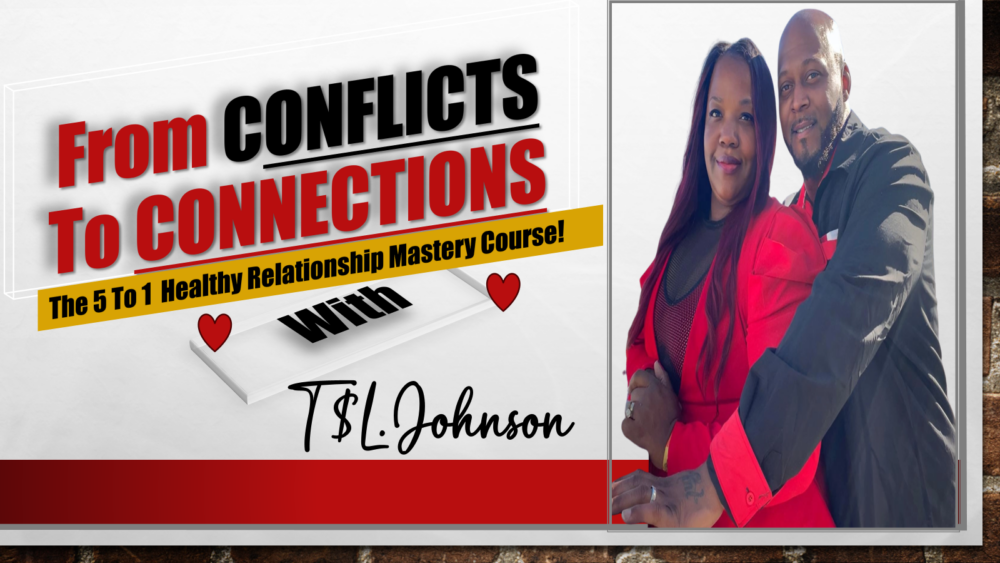
Transform Your Conflicts Into Connections
Creating Safe Spaces
A safe space is where you both can express yourselves without fear of judgment. I’ve been in relationships where I felt I couldn’t voice my fears or worries. It is draining to hold that stuff in! Creating a “safe space” means prior agreements that whatever is said stays private, remembering to listen respectfully.
Each encounter should be treated as a vulnerable moment. Whether you take turns talking about what’s on your mind or just let the other vent is up to you both. I’ve always found that setting a designated time to air out our thoughts can help tremendously! We usually do it after dinner—we just sit, sip some tea, and let it all out.
This practice not only allows issues to be resolved but also reinforces trust between partners. Knowing you can talk openly about your struggles without backlash is so important. It encourages continuous, honest communication that strengthens your connection over time.
Respecting Each Other’s Needs
Above all, it’s crucial to approach each other with respect. Stress can easily create a wall between you, making you focus on your own battles. I’ve learned that when I remind myself that my partner has their struggles too, it helps build empathy.
When you respect someone’s needs, you show that you care about their wellbeing. It’s simple but not always easy to do. For example, if your partner needs quiet time to decompress, you can create that for them. You might have to do a tad bit of juggling, but it’s so worth it. Making that sacrifice now pays off later when it fosters understanding.
Also, share the love; when your partner recognizes your needs, it creates a balanced relationship. Discuss what works for you both and adjust accordingly. It’s incredible how mutual support can transform stress into a shared challenge that eventually brings you closer together.
FAQ
1. What are some common stressors in relationships?
Some common stressors include work pressures, financial issues, everyday responsibilities, and lack of communication. Recognizing these early can help prevent misunderstandings.
2. How can we communicate better during stressful times?
Regular check-ins, being honest about your feelings, and using “I” statements can make a major difference. Creating a non-judgmental atmosphere helps both partners feel safe to express themselves.
3. What if one partner isn’t open to discussing stress?
It’s essential to approach the subject gently; sometimes, starting with less heavy topics can ease them into deeper conversations. If they still resist, suggesting outside support can also help.
4. How do you set healthy boundaries?
Start by identifying what your limits are. Then, have a conversation with your partner about them. Once agreed, sticking to those boundaries with respect allows both of you to maintain a healthy balance.
5. How can we maintain a safe space for discussing stress?
To create a safe space, agree to listen without judgment, respect each other’s feelings, and assure privacy. Regularly checking in with each other about individual needs also helps maintain that environment.

Schedule Your First 20-Minute Coaching
Call With Us Today to see if we fit . You pick the price!
Click Here