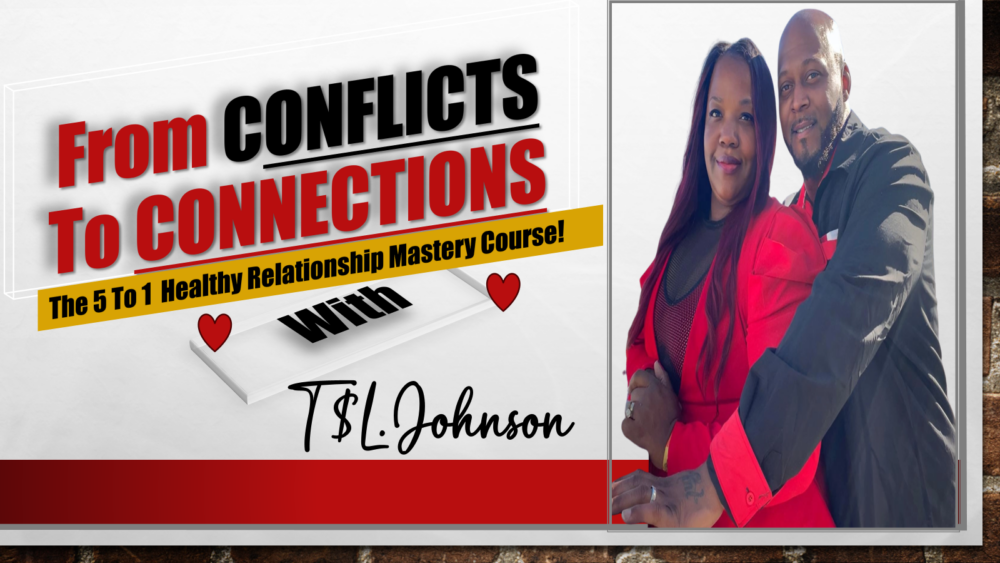
Trust. It’s that elusive glue that holds relationships together, whether they’re personal or professional. When that trust is broken, it can feel like the end of the road. But I want to share with you my insights on how to rebuild trust with patience and time. This journey may not be straightforward, but by focusing on a few key areas, it can be accomplished. Here are the five major areas I believe are crucial in this process.
Open Communication
Creating a Safe Space for Dialogue
Let me tell you, the first step towards rebuilding trust is opening up a line of communication. I’ve found that creating a safe space for dialogue is vital. This means allowing the other person to express their feelings without fear of judgment. I remember a time when I was in a difficult spot with a friend; I offered them a safe place to vent, and it helped us both to start healing.
It’s essential to listen actively during these conversations. Instead of planning my response while they speak, I made it a point to really absorb what they were saying. This not only shows respect but signals that their feelings matter. Trust me, you’ll feel the difference in your discussions!
Lastly, I found that having regular check-ins fosters open communication. It doesn’t always have to be a heavy conversation. Just seeing how someone is doing can do wonders for mending the trust. Keeping the communication flowing keeps misunderstandings at bay.
Expressing Vulnerability
When rebuilding trust, I realized that showing vulnerability can be incredibly powerful. I made it a point to share my own mistakes and fears. It’s like peeling back the layers of an onion; the more I revealed about myself, the more the other person felt inclined to do the same. It creates a bond that is hard to shake!
Being vulnerable doesn’t mean I’m giving them a weapon to use against me. Instead, it’s about humanizing ourselves and creating a deeper connection. I remember when I opened up about my insecurities during a tough time, and the other person responded with their own struggles. It was a game changer.
After that, I noticed our conversations became richer and more honest. The vulnerability bridge we built told us both that it was okay to be flawed while still working on rebuilding trust. It’s freeing!
Setting Clear Expectations
Clearly defined expectations help pave the way for rebuilding trust. I’ve learned (sometimes the hard way) that ambiguity can lead to assumptions, which can be destructive. So, it was essential for me to articulate what I expected and what the other person might need from me.
During this phase, I also made sure to be open to receiving feedback. I wanted to know if I was meeting their needs and if they felt comfortable expressing any frustrations. Establishing these ground rules brings clarity and helps avoid pitfalls.
Remember to revisit these expectations periodically. Things change, and adapting is key. I’ve found that when expectations are adjusted based on current feelings or circumstances, it fosters an environment of mutual respect and care. It’s like a trust contract!
Consistency in Actions
Following Through
Let me tell you, consistency is the name of the game when it comes to rebuilding trust! It’s one thing to say you’re going to change, but another to actually do it. If we say we’ll do something, we must deliver on that promise, no matter how small it may seem.
I remember a time when I promised to check in weekly to see how someone was doing. I made sure to keep that promise, and it showed them that I was sincerely committed to the process. It was a small action, but it made a big difference.
Taking consistent actions reinforces that I’m serious about rebuilding trust. If there are setbacks, I don’t hide; instead, I acknowledge them and communicate openly about how I’ll do better moving forward. This honesty creates a sense of reliability that was lacking before.
Being Present
Being present in the moment is about more than just physical presence. I learned that emotional presence holds just as much weight. Putting away distractions like my phone when conversing shows that I genuinely care. It’s all about quality time – those small moments matter!
In addition to being present, I’ve made it a habit to partake in shared activities or interests. This not only strengthens the bond but creates positive memories that can help overshadow the past hurt. Whether it’s grabbing coffee or doing a hobby together, those experiences become the building blocks of trust.
When I focus on being fully engaged (mind, heart, and soul), I consistently see trust returning. It’s refreshing to know that both parties are genuinely investing effort into moving forward!
Avoiding Past Mistakes
This one can be particularly tricky. While rebuilding trust, it is crucial to be aware of patterns that led to the breakdown in the first place. I’ve found that I need to identify specific behaviors that may have caused harm and make a conscious effort to change those.

Transform Your Conflicts Into Connections
It’s also helpful to have honest conversations about these past mistakes. Bringing them up can feel uncomfortable, but it helps in preventing history from repeating itself. I often ask for feedback on how I’m doing and if I’m avoiding the pitfalls I previously fell into.
By actively avoiding these past mistakes, I show commitment to change. This doesn’t mean I’ll be perfect, but showing understanding and growth demonstrates maturity and respect for the relationship.
Embracing Forgiveness
Recognizing the Impact of Hurt
Okay, let’s talk about forgiveness. This can be one of the hardest parts of rebuilding trust. I’ve realized that acknowledging the impact of hurt is essential for both parties. Ignoring it doesn’t help anyone move forward. Seriously, how can we reconcile if we sweep it under the rug?
Allow time for grief over what’s been lost in the relationship. I’ve found that when one person acknowledges the hurt and the other feels heard, it paves the way for healing. It’s like saying, “I see you, and I understand you’ve been hurt.” That’s powerful!
Recognizing the impact of the hurt doesn’t also mean holding onto bitterness. I need to remind myself that forgiveness is about freeing my heart from the weight of the past. It makes way for better experiences to come!
The Power of Letting Go
Letting go of grudges is no easy task, but I’ve learned it’s a key part of embracing forgiveness. Holding on to resentment only poisons the well further. I often remind myself that it is my responsibility to free myself from that negativity.
Creating rituals or practices that symbolize letting go has worked wonders for me. It could be writing a letter (even if I won’t send it) or simply saying it out loud. Each practice helps to release the emotions tied to those hurtful events and resets the connection with the other person.
When I actively work on letting go, I’ve seen how relationships can transform from toxic to nurturing. I start to see the other person in a new light, and that’s where the magic happens.
Practicing Self-Forgiveness
Forgiving the other person is one thing, but what about forgiving ourselves? I had to come to terms with the fact that I, too, could have made mistakes that contributed to the breakdown of trust. I’ve learned that self-forgiveness is necessary for true healing.
Taking some time to reflect on my role and allowing myself to be human with flaws helps immensely. I’ve found that practicing self-compassion releases guilt and shame, allowing me to show up better for the other person.
Self-forgiveness doesn’t excuse my actions but rather acknowledges that I’m still learning. Accepting my imperfections makes me more empathetic and understanding toward others in the rebuilding process.
Conclusion
Rebuilding trust is undoubtedly a journey that requires patience and time. Through open communication, consistent behavior, and the power of forgiveness, we can mend what was once broken. Remember, it’s okay to take a step back and breathe during this process. Just know that with effort, love, and understanding, trust can slowly begin to blossom again.
FAQ
1. How long does it generally take to rebuild trust?
The timeline varies greatly depending on the individuals and situations involved. It’s essential to focus on the quality of engagement rather than a fixed timeframe.
2. What if the other person isn’t interested in rebuilding trust?
In such cases, it’s important to acknowledge their feelings and give them space. Focus on your own growth and understanding, while remaining open if they decide to reconnect later.
3. Can trust be rebuilt after major betrayals?
Yes, it can, but it takes significant effort and commitment from both parties. Open communication and consistent actions are crucial in navigating this path.
4. Is it possible to rebuild trust without confrontation?
While direct communication is ideal, sometimes trust can be rebuilt through consistent actions and time, even without confrontation. However, addressing the issue can often expedite the healing process.
5. What if I struggle with forgiveness?
This is normal! Consider giving yourself time and seeking support, such as talking to a friend or therapist. Remember, forgiveness is a personal journey, and it’s okay to take it at your own pace.

Schedule Your First 20-Minute Coaching
Call With Us Today to see if we fit . You pick the price!
Click Here