Embrace the Unfamiliar
Understanding the Value of Different Perspectives
When I first started working in diverse environments, one of the most eye-opening experiences for me was realizing how different people’s backgrounds and experiences shaped their viewpoints. Each person brings a unique lens through which they view the world, and embracing that can be incredibly enriching. You know, it’s like reading a book from a different genre; it opens your mind to new narratives and possibilities.
In our fast-paced world, it’s easy to stick with what we know. But when we take the time to understand different perspectives, we not only learn more about others, but we also learn more about ourselves. I can’t tell you how many times my opinions have shifted after engaging in open conversations with people who see things differently. It shows a level of maturity and encourages personal growth.
So, next time you find yourself confronted by a contrasting viewpoint, try to lean into that discomfort. Ask questions and really try to grasp where that person is coming from. You’ll likely find that there’s a lot to gain from each interaction.
Creating Safe Spaces for Dialogue
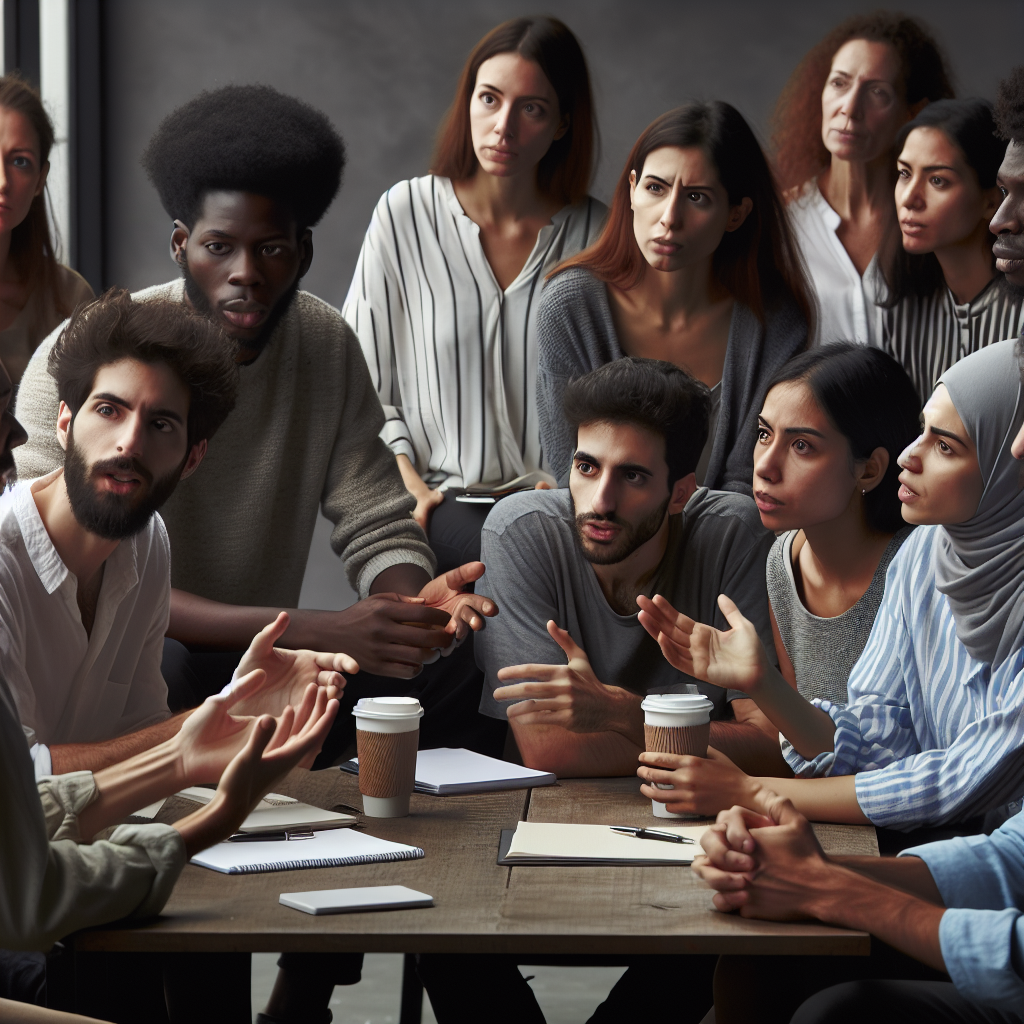
It can be intimidating to share courageously differing opinions, especially in today’s climate where discussions can get pretty heated. What I’ve found super helpful is creating an environment where everyone feels safe to express themselves without judgment. Setting the tone for open dialogue makes all the difference.
When I host discussions, I always start by reminding everyone that the goal isn’t to “win” the conversation but to understand one another better. This helps to ease the tension and encourages folks to share more openly. I’ve seen how transparency can transform a tense conversation into a collaborative discussion.
Encouraging people to express their thoughts while also respecting boundaries fosters trust. I’ve noticed that when folks feel secure, they tend to be more honest, and that honesty is where the magic happens. Together, we grow, learn, and often even forge deeper connections through shared understanding.
Practice Reflective Listening
Mastering reflective listening was a game changer for me. Rather than just hearing someone else’s words, I learned to really listen. This means not just understanding what they say but trying to grasp their emotions and intentions behind those words. It can be tough, but the payoff is totally worth it.
During a disagreement, instead of immediately crafting my response, I consciously made an effort to repeat back what the other person said. Phrases like “So what I hear you saying is…” really show that I’m engaged. Honestly, this practice transformed my interactions. It made me less reactive and more thoughtful.
When someone sees that I’m genuinely trying to understand their perspective, it often diffuses any defensiveness. And let’s face it, when defensiveness drops, understanding flourishes. In turn, this spurs deeper conversations and a richer exploration of ideas and beliefs that might differ from my own.
Ask Open-Ended Questions
Encouraging Dialogue Through Inquiry
Asking questions has been a foundational tool in my toolkit for navigating differences. I began leaning into open-ended questions that encourage conversation rather than closing it off. Questions like, “Can you tell me more about why you feel that way?” invite elaboration. I’ve found that the more I ask, the more I learn.
I remember one heated discussion about a sensitive topic where I just kept agreeing to hear more viewpoints. This simple technique opened the floodgates for understanding. It’s funny how a little curiosity can shift the dialogue from disagreement to discovery. Suddenly, it felt less about defending positions and more about exploring ideas together.
This approach fosters connection. I aim to create a space where everyone feels their voice matters. That’s how community is built, and trust is earned. It surprises me how these kinds of conversations can deepen relationships even in areas where we might drastically disagree.
Unpacking Assumptions
One of the biggest roadblocks to compassion is the assumptions we make about others. We’ve all been there, right? I’ve caught myself jumping to conclusions without really understanding the full situation. Taking a moment to unpack those assumptions can be life-changing.
Before diving into a conversation, I try to check my biases at the door. Acknowledging that I might not know everything about a person’s background or beliefs allows me to approach the conversation with fresh eyes. It’s important to remind ourselves that we each carry our own baggage into discussions.
Once I started consciously challenging my assumptions, I found myself enjoying conversations tenfold. It encouraged deeper engagement and often led to unexpected insights that I wouldn’t have stumbled upon while operating on autopilot.
Sharing Your Own Experiences
While it’s vital to listen, sharing my own story has also played a crucial role in fostering understanding. I’ve discovered that talking about my own experiences can show vulnerability and create a safe rhythm for others to share theirs too. When I talk about why I feel the way I do, it makes it easier for others to relate, even if their views differ.

Transform Your Conflicts Into Connections
Personal anecdotes can often paint a picture that words alone might not convey. After revealing my own journey, I often notice others opening up in ways they might not have felt comfortable doing before. It’s like creating a bridge of empathy and mutual respect.
However, I always aim to balance my sharing with listening. It’s not about overshadowing others’ experiences; rather, it’s about weaving a rich tapestry of dialogue where all voices are valued. This shared vulnerability can break down barriers and lead to profound discoveries.
Find Common Ground
Identifying Shared Values
One principle I live by is figuring out what we have in common. Yes, we may have different opinions, but there’s usually at least one value or goal that we share. I’ve found that grounding conversations in common objectives can lead to collaborative solutions rather than confrontational standoffs.
During discussions, I often emphasize mutual aspirations such as wanting a peaceful community, safety, or a better future. It sounds simple, but relating our disagreements back to these values creates an atmosphere where collaboration can flourish. It’s a reminder that despite our differences, we’re largely on the same team.
This approach encourages a sense of partnership instead of rivalry. Instead of battling it out, we’re brainstorming together toward a solution. Finding that common ground doesn’t just ease tensions; it often lays the foundation for friendships that go beyond the surface level of disagreement.
Encouraging Collaboration
Once we identify that common ground, I like to shift the focus to how we can work together. Collaboration is a powerful tool for bridging gaps—whether it’s in a workspace or a community. When we come together to brainstorm solutions, it opens the door to creativity and innovation.
During a challenging project at work, rather than sticking with my own ideas, I initiated a collaborative workshop where everyone could pitch in. The outcome? A fantastic blend of ideas that nobody would have thought of alone. That’s a prime example of how collaboration empowers us and invites a wealth of creativity while minimizing the impact of our differences.
Collaboration not only creates a sense of unity; it also helps us realize that our differences can lead to unprecedented results. It’s empowering to witness what we can achieve when we harness diverse perspectives for a common purpose.
Emphasizing Empathy Over Ego
Finally, navigating differences with a sense of empathy has been pivotal for me. Forgetting ego is tough, but it’s necessary to truly engage with others. I always remind myself that at the core, we’re all just humans trying to make sense of the world and connect with one another.
In discussions where emotions run high, I intentionally remind myself to approach with kindness rather than competitiveness. This little mindset shift has often led to breakthrough discussions. When the priority is understanding, I find myself more open to others’ viewpoints, and those moments of empathy can be incredibly healing.
Empathy can diffuse tension and foster a sense of belonging. In knowing that we’re all figuring things out together, I’ve developed a deeper appreciation for the richness that different opinions can bring to the table. Instead of clashing, we unite, and that’s where transformative dialogue happens.
FAQs
1. Why is compassionate curiosity important when handling differences?
Compassionate curiosity fosters understanding and empathy, helping to bridge gaps between differing perspectives. It allows for deeper connections and can transform conflicts into constructive dialogues.
2. How can I practice reflective listening effectively?
To practice reflective listening, focus on the speaker without interrupting. After they finish speaking, summarize what they’ve said to ensure understanding, and ask if you’ve got it right. This validates their feelings and shows you care.
3. What types of open-ended questions should I ask?
Open-ended questions encourage storytelling and deeper insights. Examples include “What led you to that belief?” or “Can you share more about your experiences?” These invite elaboration and build trust.
4. How do I deal with personal biases when discussing differences?
Start by acknowledging your own biases before the conversation. Try to set them aside and approach each discussion with a fresh perspective, reminding yourself that everyone has their unique story to share.
5. What can I do if the conversation becomes too heated?
If a conversation becomes heated, it’s often best to take a step back. You can suggest a break or pivot the discussion to a less intense aspect of the topic. Ensure that everyone feels heard and that the space remains safe for dialogue.

Schedule Your First 20-Minute Coaching
Call With Us Today to see if we fit . You pick the price!
Click Here