Understand the Source of Criticism
Identify If It’s Constructive or Destructive
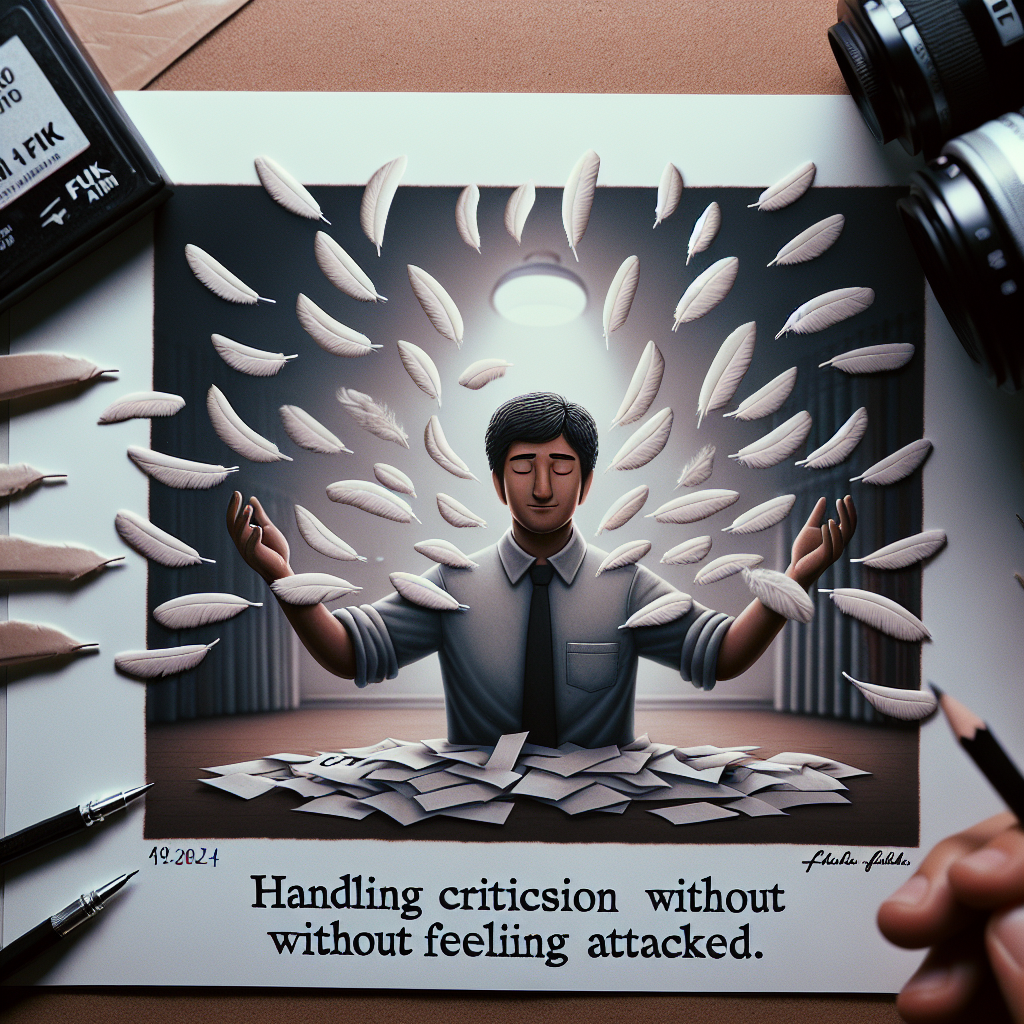
Getting feedback can be tricky, especially when it feels like an attack. The first step I always take is figuring out if the criticism is constructive or destructive. This means asking myself, does the feedback come from a place of wanting to help, or is it just negativity? For example, if a colleague points out a flaw in my presentation in an effort to improve it, that’s constructive. But if someone just decides to belittle my efforts, that’s the latter.
Tuning into the emotions behind the words can also offer a hint. If the person seems genuinely concerned, their comment might just be a rough delivery of earnest advice. On the other hand, if there’s an air of contempt or sarcasm, I try to remind myself that their negativity speaks to them, not me.
By clarifying this, I can begin to detach my feelings from the criticism itself, shifting my focus from hurt to understanding. It’s liberating once I realize that not all feedback requires a personal response.
Practice Active Listening
Focus on What’s Being Said
A huge part of handling criticism well is listening actively. When I find myself in a situation where I’m receiving feedback, I try to listen more than I speak. This means putting aside my knee-jerk reactions and trying to absorb everything that’s being said. I often feel the impulse to defend myself or rebut the points made, but resist it and just listen.
This is where taking a deep breath really helps. It gives me a moment to collect my thoughts and, more importantly, to be present. Focusing on the critic’s words rather than my immediate feelings helps make the criticism feel less personal. Over time, I’ve found that this approach tends to foster healthier dialogues.
After listening, I sometimes summarize what I heard to ensure I understood correctly. This can also clarify the intent behind the remarks and shows the critic that I am genuinely engaged in the process. It’s amazing how this can diffuse tension and pave the way for a constructive conversation.
Detach Your Self-Worth from Feedback
Recognize You’re More Than Your Work
One of the biggest lessons I’ve learned is that my worth doesn’t hinge on my work. When criticism stings, it’s often because I tie my self-esteem to my achievements. I’ve come to realize that what I create or do is just one part of who I am. This perspective helps me view criticism as a chance to improve rather than a judgment of my character.
Whenever I receive criticism, I remind myself that it’s okay to have flaws—everyone does! Nobody is perfect, and we all have areas for growth, including me. By internalizing this fact, I begin to welcome feedback instead of fearing it, as it becomes a valuable tool for development.
It’s also a good idea to remind myself of my accomplishments and strengths after receiving criticism. This small exercise in self-affirmation serves to reinforce my intrinsic value beyond what’s being critiqued, which is a really healthy way to maintain balance.
Respond Thoughtfully
Acknowledge Before You React
When I receive criticism, my immediate reaction is often defensive. However, I’ve learned that pausing to acknowledge the feedback is crucial before I respond. It’s easy to let emotions dictate our reactions, but taking a moment to breathe and consider the other person’s perspective proves helpful. A simple “Thank you for your input” creates space for reflection.

Transform Your Conflicts Into Connections
Once I’ve acknowledged their perspective, I find it easier to formulate my thoughts. This approach allows me to respond in a way that feels measured rather than reactive. Sometimes, I even ask clarifying questions to better understand their viewpoint, which can sometimes turn a potentially confrontational moment into a productive discussion.
Being thoughtful about my response doesn’t mean I have to agree with the criticism completely. I can express my opinion respectfully while also validating the perspective of the person giving the feedback. This balanced approach often leads to smoother interactions going forward and can help build a stronger working relationship.
Learn and Move Forward
Transform Feedback into Action
After a bout of criticism, I try to view it as an opportunity for growth. The next step is figuring out how I can incorporate the feedback into my future work. This doesn’t always mean acting on every piece of advice—there are times when the criticism doesn’t resonate with my goals. However, being open to learning is key.
I often take notes during or immediately after receiving feedback. This helps me revisit specific points later when I’m in a better frame of mind. I try to identify actionable steps that stem from the feedback given, ultimately shaping the criticism into a roadmap for improvement.
Lastly, moving forward means accepting that learning is a process. Not every piece of feedback will lead to immediate results or transformations, but embracing a growth mindset can change my perspective drastically. I remind myself that every step, even small ones, leads me closer to becoming the best version of myself.
Frequently Asked Questions
1. How can I differentiate between constructive and destructive criticism?
Constructive criticism is about improving performance and often includes specific suggestions. Destructive criticism lacks substance and may focus solely on negative feedback without offering a way to improve.
2. What should I do if I feel attacked when receiving criticism?
Take a step back and breathe. Assess whether the feedback is based on facts or personal emotions. Try to detach your self-worth from the feedback and practice active listening.
3. Can I respond to criticism without being defensive?
Yes! Acknowledge the feedback first, take a moment to reflect, and then respond thoughtfully. This approach helps maintain a calm demeanor and fosters constructive dialogue.
4. How can I learn from criticism effectively?
Note down the critical points raised and think about how to implement changes based on that feedback. Set actionable steps that you can take and view the criticism as a roadmap for improvement.
5. Is it normal to feel upset by criticism?
Absolutely! It’s a common reaction. Allow yourself to feel those emotions, but try to reflect on the feedback as an opportunity for growth rather than a personal failing.

Schedule Your First 20-Minute Coaching
Call With Us Today to see if we fit . You pick the price!
Click Here