Tuning into Body Language
Understanding Non-verbal Signals
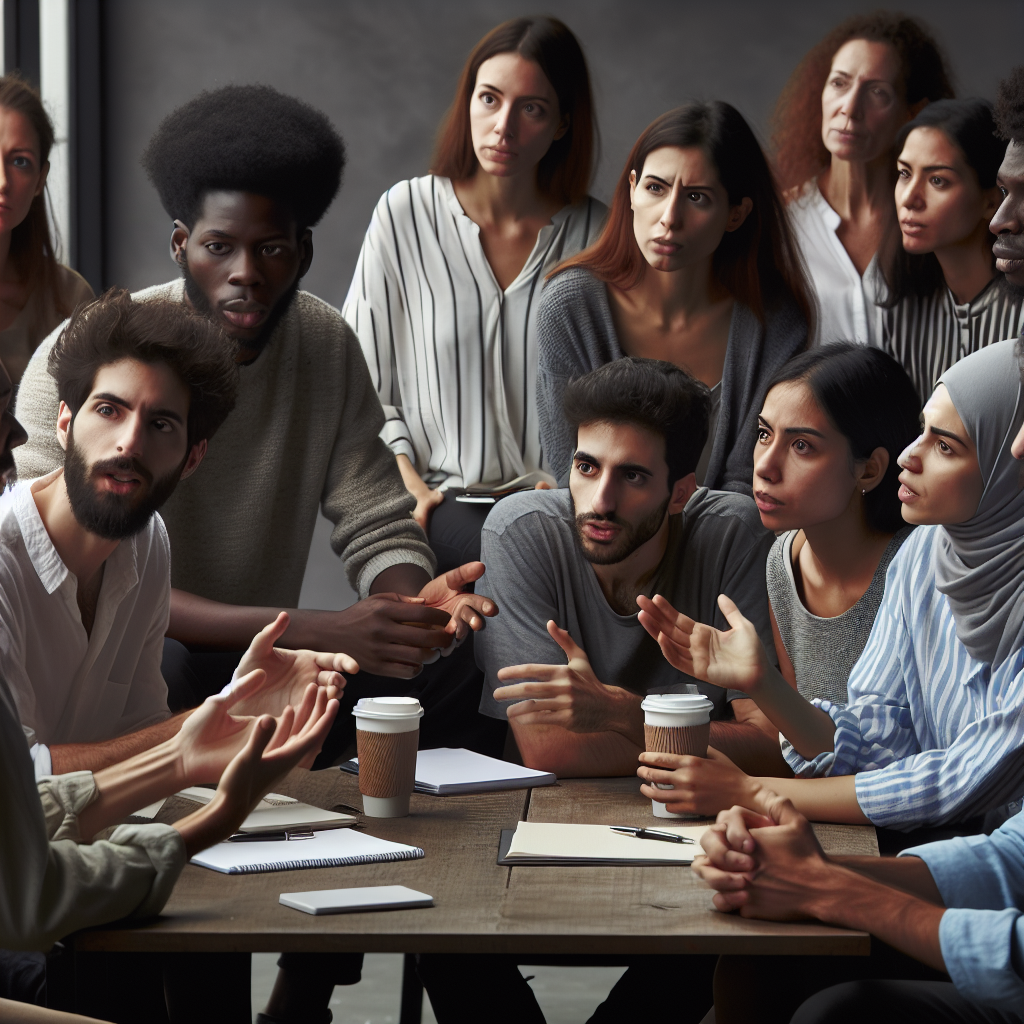
Throughout my journey in both personal and professional spaces, I’ve learned that a significant portion of communication is non-verbal. Whether it’s the crossed arms during a conversation or the way someone leans in, these signs say a lot more than we often realize. Paying attention to body language can provide insights that words can sometimes disguise.
There have been instances where I misjudged a situation simply because I was too focused on the verbal exchange. I remember a meeting where one of my colleagues seemed distant and uninterested. Only later did I realize that her body language was a clue; she was actually quite stressed about a personal issue.
So, tapping into body language can truly enhance your understanding of what’s really being said. It fills the gaps where words might fall short.
Physical Space and Proximity
Proxemics, or the study of personal space, has always fascinated me. I’ve noticed how the distance between people can dramatically impact the interaction. In my experience, standing too close can cause someone to feel uncomfortable, while too much distance can create a barrier.
When I began to experiment with proximity in conversations, colleagues reacted differently based on the distance I established. For instance, in creative brainstorming sessions, closing the gap made everyone feel more engaged and open to sharing wild ideas.
Recognizing these nuances helped me become more mindful of how I present myself in various settings, ensuring I’m establishing a comfortable environment for dialogue.
Facial Expressions Matter
I can’t emphasize enough how someone’s face can truly convey their feelings, even when they try to mask them. During team presentations, I’ve often watched my peers’ facial expressions shift, unveiling their true reactions before they ever speak a word.
In fact, one time I was giving a presentation and noticed my audience’s expressions were a bit off. Though they didn’t voice any doubts, their faces told me they were confused. I paused to clarify my points, and it magically changed the energy in the room.
So, tuning into facial expressions can improve not just communication, but also how effectively I can tailor my message to suit the audience’s needs.
Listening Beyond the Words
The Art of Active Listening
Active listening goes beyond just hearing; it’s about engagement. I discovered this the hard way when someone I respected pointed out that, though I was listening, I often wasn’t fully present. This realization led me to incorporate techniques like nodding and summarizing to show I’m all in.
During crucial discussions, active listening has transformed my relationships. It’s not just about waiting for my turn to speak; it’s about absorbing what the other person is saying. When I focused on truly listening, I was better equipped to offer genuine feedback and support.
Taking that time to listen deeply has not only strengthened my personal connections but has also helped me navigate tricky business conversations with far more ease.
Emotion in Communication
Connecting with emotions is vital in any conversation. I realized that the emotional undertones can change the meaning behind words significantly. For example, someone can say “I’m fine” but their tone and facial expressions may suggest otherwise. Recognizing these emotional cues is a game changer.
In meetings, I’ve found that issues arise not just from content but from the emotional backdrop. Understanding how people feel helps me respond more compassionately and appropriately, creating a more open dialogue.
So, tapping into the emotional layer can foster a richer, more authentic communication atmosphere.
Responding with Empathy
I’ve come to understand that when someone opens up, they’re often looking for empathy rather than solutions. I remember a friend talking about their struggles at work, and rather than jumping to offer advice, I just listened and validated their feelings. That conversation ended up bringing us closer.
Empathy builds trust. When I engage with others from a place of understanding and compassion, it shows that I care. It encourages a safe space where folks feel comfortable sharing their thoughts without judgment.
Responses rooted in empathy can diffuse tense situations too, transforming conflict into constructive dialogue.
Understanding Cultural Context
Recognizing Diverse Communication Styles
Having traveled and worked with diverse groups, I’ve seen first-hand how communication styles vary from culture to culture. Someone’s approach to conversation can often reflect their cultural background, and understanding this is crucial.
For instance, in some cultures, being direct is valued, while in others, it may be considered rude. I’ve had to adjust my style accordingly, learning to appreciate nuances—like the importance of context and indirect communication. This ability to adapt has enriched my relationships across different backgrounds.
By embracing these variations, I’ve learned to navigate conversations with more grace and an open heart.
The Power of Contextual Clues
Context plays an important role in interpreting meaning. I’ve experienced moments when the same phrase had different implications depending on the situation. For example, “Let’s take a break” can be just a simple suggestion or an indication of deeper dissatisfaction, based on how it’s said and when it’s said.
As I’ve navigated various social and professional settings, I’ve learned that context is key. I now pay attention to the environment, the people involved, and their emotions, which helps me make sense of the nuances.
This level of awareness not only enhances my understanding but also allows me to respond in ways that resonate with others.
Adapting to Different Norms
When interacting with people from unexpected cultural backgrounds, I’ve found it valuable to be adaptable. Adapting to varied norms doesn’t mean losing my identity; it’s about showing respect and intention during interactions.
Whether it’s understanding the importance of indirect communication in some cultures or recognizing when humor is appropriate, being flexible has opened many doors for me. One time, I inadvertently offended a colleague in a cross-cultural meeting due to a cultural faux pas—an experience I learned from deeply.
Through adaptability, I ensure that I’m not just heard, but truly understood and respected in diverse settings.
Creating Meaningful Connections
Building Rapport
Building rapport is at the heart of any relationship. From my experiences, I realize it takes time and genuine effort to establish rapport with others. I often begin conversations with light banter or shared interests, which naturally breaks the ice.
During networking events, I’ve learned that a smile and asking questions about others is more effective than simply pitching my own agenda. This shift in focus has led to richer connections that often lead to collaborative opportunities.
Over time, I’ve discovered that the stronger the rapport, the fuller the conversations—allowing for more honest and fruitful exchanges.
The Role of Trust
Trust is something I’ve come to value immensely when it comes to communication. It doesn’t come overnight; rather, it’s built through consistency and reliability in my actions. When others trust me, they’re more willing to share openly, and I’ve learned to return that trust.
For example, I had a colleague who, after gaining my trust over multiple projects, shared insights about challenges they faced. That laid the foundation for a productive collaboration. Trust in the workplace makes individuals feel secure and boosts productivity significantly.
By fostering trust, I’ve found that people engage more authentically, creating deeper connections in both personal and professional realms.
Cultivating Compassion
Compassion is another essential facet of communication that I prioritize in my interactions. It’s not just about understanding someone’s viewpoint, but genuinely caring for their feelings. One incident stays with me: I saw a colleague struggling during a presentation, and instead of brushing it off, I took a moment to reassure them.
This simple act fostered a sense of community and support, making both of us feel valued. The more compassion I show, the more it encourages openness, leading to an environment where everyone feels heard.
Thus, cultivating compassion has become a cornerstone of my communication strategy—creating deeper, meaningful connections that last.
Conclusion
Understanding the unspoken elements of communication can dramatically enhance not only the way we connect with others but also the quality of our interactions. By tuning into body language, listening actively, recognizing emotional undercurrents, adapting to cultural contexts, and fostering meaningful connections, we enrich our lives and the lives of those around us.
FAQ
What is the main focus of “The Wind Between Words”?
The main focus is on understanding the unspoken elements of communication, including body language, emotional context, and the nuances of interpersonal interactions.
How can body language influence communication?
Body language conveys non-verbal signals that can reveal true feelings and intentions, often adding depth to verbal communication.
Why is active listening important?
Active listening promotes genuine understanding and connection between individuals, leading to more effective interactions and trust building.
What role does cultural context play in communication?
Cultural context shapes communication styles and interpretations, making it vital to recognize and respect these differences for effective dialogue.
How can compassion enhance relationships?
Displaying compassion fosters trust and a supportive environment, encouraging openness and deeper connections between individuals.

Schedule Your First 20-Minute Coaching
Call With Us Today to see if we fit . You pick the price!
Click Here