Understanding the Importance of Validation
Why Validation Matters
In my journeys through life, both personally and professionally, I’ve realized that one of the greatest gifts in communication is validation. When I tell someone, “I hear you,” I’m not just acknowledging their words; I’m validating their feelings and experiences. This is crucial because it lays the ground for healthy exchanges.
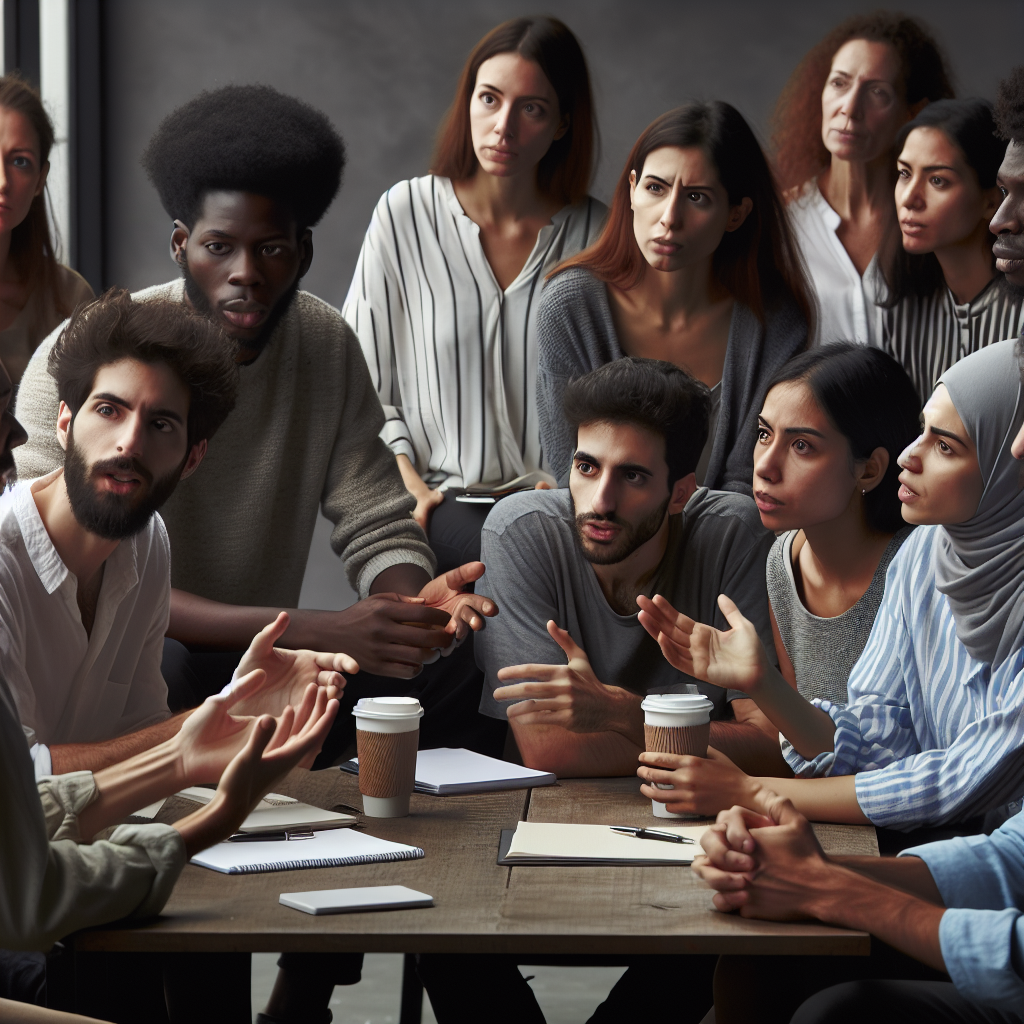
Validation can diffuse tension. When tempers flare, merely saying you hear the other person can bring about a sense of calm, making way for more rational dialogue. It’s like pouring water on a fire instead of adding more wood. I’ve seen this in action during heated meetings and family gatherings alike!
The beauty of validation lies in its ability to humanize interactions. It builds bridges, making it easier to share differences without feeling attacked. That’s something I strive for, especially when I find myself in discussions where opinions clash. It’s amazing how a simple affirmation can pave the way for deeper understanding.
How to Listen Actively
Being Present
Active listening starts with being fully present in the moment. I’ve often caught myself drifting off mentally during conversations, especially ones that challenge my viewpoints. Trust me, it’s a game-changer when I consciously put my distractions aside and focus on the speaker. This commitment shows I genuinely care about what they have to say.
Another tactic is maintaining eye contact. It might sound simple, but looking someone in the eye communicates attentiveness. When I do this, I can feel a connection forming. They see that I’m invested in their thoughts, and that’s a huge step towards mutual respect, even if we disagree.
Lastly, I remind myself to regularly paraphrase what the other person shares. This not only confirms my understanding but also gives the other person a chance to clarify any potential misunderstandings. This technique has saved me from making assumptions that could lead to unnecessary conflict!
Embracing Differences
Shifting Perspectives
One of the toughest challenges we face is embracing differences in opinions. I’ve had my fair share of head-butting discussions. What I’ve come to learn is that it helps to try to see things from the other’s point of view. This doesn’t mean I have to agree; it just means I’m willing to understand where they are coming from.
In my experience, conversing with someone whose beliefs differ from mine opens my eyes to new ideas. I often find myself saying, “Wow, I never thought of it that way!” This attitude of curiosity leads to richer conversations and sometimes even adjustments in my own opinion, based on newfound insights.
Moreover, celebrating differences is key! Distinguishing between healthy disagreements and unproductive squabbling can turn potential conflicts into learning experiences. I always encourage myself and others to view these moments as opportunities for growth, both in understanding and relationship building.
Choosing the Right Words
Using “I” Statements
When disagreements arise, I’ve learned that the words I choose can make a world of difference. One technique that has served me well is using “I” statements instead of “you” statements. Instead of saying, “You never listen,” I phrase it as, “I feel unheard when…” This subtle shift helps to reduce defensiveness in the conversation.
By focusing on my feelings rather than placing blame, I open up space for dialogue. The other person is less likely to get defensive and more likely to respond with understanding. It’s almost like magic! Conversations flow more smoothly, and I often leave discussions feeling heard, even if we still disagree.
Again, careful word choice can steer the conversation in a more positive direction. Instead of saying “You’re wrong,” I might articulate, “I see it differently.” This indicates openness and willingness to engage rather than to win — a distinction I cherish when navigating difficult conversations.
The Outcome of Empathy
Building Trust Through Empathy
Empathy has proven to be my secret weapon in communication, especially when opinions clash. When I genuinely strive to understand another’s feelings, it leads to stronger relationships. I’ve seen this in my professional life; colleagues respect when they feel my investment in their perspectives. It creates a bond that strengthens our collective productivity.
Seeing things through the lens of empathy also allows me to communicate better. When I acknowledge the emotions behind someone’s words, I often find common ground. “I can see why this is important to you,” can transform a resistant attitude into one of cooperation, and I’ve experienced this breakthrough firsthand.
Ultimately, empathetic communication leads to better resolutions. I recall a conflict resolution session where empathy played a central role; by expressing understanding of each other’s views, we could arrive at a compromise that satisfied both sides. It’s proof that empathy isn’t just nice to have; it’s essential for productive dialogue!
FAQs
1. What does it mean to say, “I hear you”?
To say “I hear you” means you acknowledge and validate the other person’s feelings and thoughts, even if you don’t agree with them. It’s about listening actively and making the other person feel understood.
2. How can I improve my active listening skills?
You can enhance your active listening by maintaining eye contact, avoiding distractions, and paraphrasing what the other person says to confirm your understanding. The more present you are, the more effective your listening will be.
3. Why is it important to embrace differences in opinions?
Embracing differences allows for richer conversations and can lead to personal growth. It opens up new perspectives and can even help in strengthening relationships through mutual understanding.
4. How do “I” statements benefit conversations?
“I” statements help express your feelings without placing blame, reducing defensiveness and opening the door for better communication. They support a more constructive dialogue where both parties can express themselves without feeling attacked.
5. What role does empathy play in communication?
Empathy fosters stronger relationships by building trust. When you show genuine understanding of someone’s feelings, it encourages openness and collaboration, allowing for more effective conflict resolution and deeper connections.

Schedule Your First 20-Minute Coaching
Call With Us Today to see if we fit . You pick the price!
Click Here