

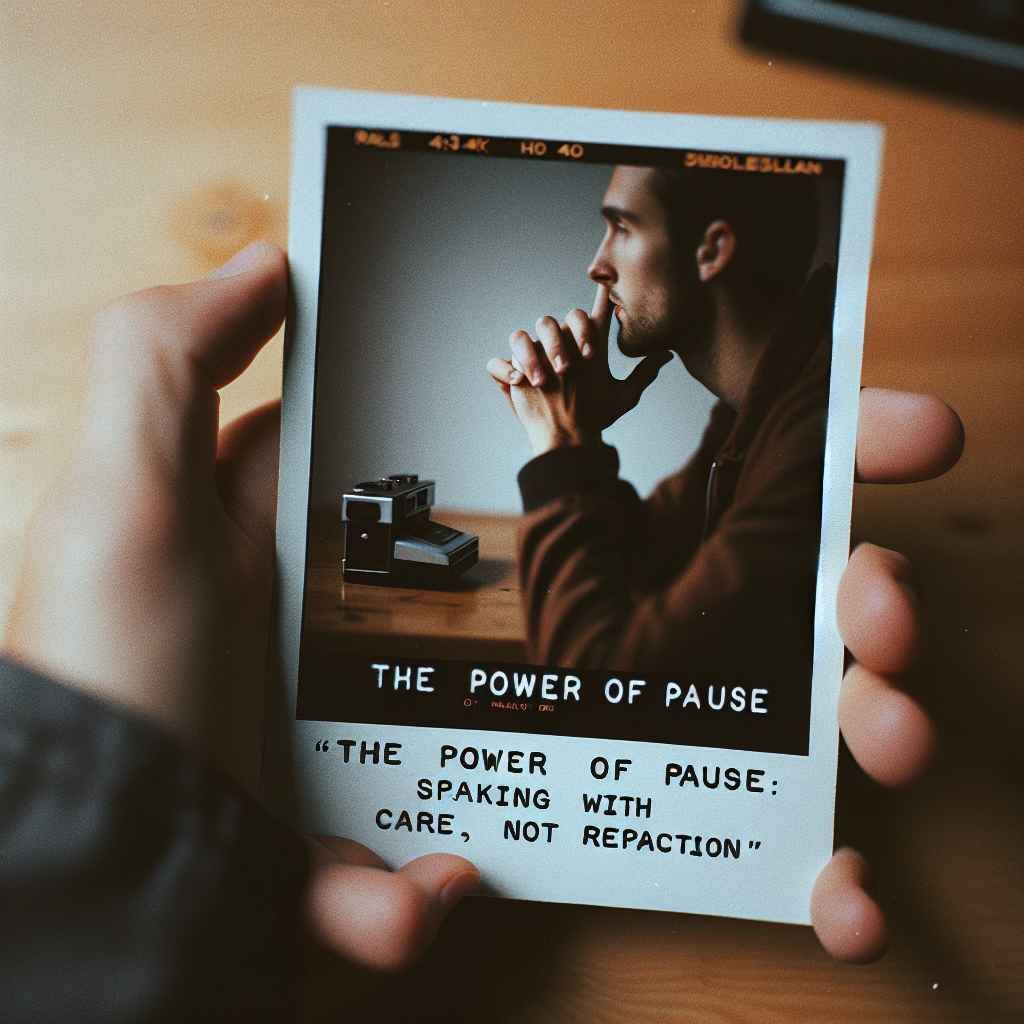
Understanding the Need for a Pause
Why Pausing Matters
When was the last time you caught yourself in a conversation, where emotions were running high, and you just blurted out something you regretted? That moment of pause can save us from saying things we didn’t mean. I’ve learned that taking a breath allows us to gather our thoughts and manage our emotions before voicing them.
In our fast-paced world, every second counts, and we often feel compelled to respond immediately. But trust me, in moments of tension, that pause can create a space for clarity. It’s not just about stopping the conversation; it’s about reassessing our feelings and reactions, leading to deliberate and thoughtful communication.
Moreover, by taking a moment, we give others the chance to think too. We create a more balanced atmosphere where everyone feels heard and respected, even during disagreements. So the next time you feel that urge to respond immediately, remember that a thoughtful response is worth the wait.
Identifying Your Emotional Triggers
Recognizing Your Reactions
One of the most eye-opening things in my life has been identifying my emotional triggers. These are those hot buttons that can turn a simple conversation into a battleground. It took me some time to figure out what mine were, but once I did, it was like the clouds lifted. I could see the storm brewing inside me long before it erupted.
Take some time to reflect on what irritates you or makes you defensive. Is it criticism, or maybe someone questioning your viewpoints? Understanding these triggers is crucial because it equips you to manage your reactions better. Instead of reacting instinctively, I learned to pause and consider why I felt that way.
When I recognized these patterns within myself, it was a game changer. I could anticipate my responses better and approach conversations with a sense of calm instead of chaos. It’s like having your own little emotional radar that helps you navigate heated situations.
Practicing Mindfulness in Conversations
Being Present
Mindfulness is a buzzword that’s become quite popular, but its benefits are real, especially in conversations. Practicing mindfulness means being fully present in the moment, and I can’t emphasize how important this is. When I began to truly listen instead of just waiting for my turn to speak, everything changed.
Listening with intent allows me to not only hear the words but also to grasp the underlying feelings behind them. It’s amazing how people’s emotions come through when you listen closely. I’ve found that simply nodding, making eye contact, and responding with empathy can drastically alter the dynamics of an exchange.
Incorporating mindfulness into my daily interactions has transformed how I communicate. It helps to pause, take a deep breath, and soak in what’s being said before I respond. Before you know it, you’re engaging in a more constructive conversation rather than a defensive back-and-forth.
Implementing the Pause Technique
Creating a Habit
Now that we’ve delved into why and how to pause, it’s time to put it into practice! Creating the habit of pausing before speaking takes time, but it’s so worth it. Start by consciously telling yourself to wait before responding—count to three or even five if that helps. This little trick has worked wonders for me.

It might feel awkward at first, but eventually, it’ll become second nature. I remember my first few attempts at this; I was super aware of the silence that followed my pause, but over time, it faded, and I became more centered. My responses improved without the rush, and I felt more in control of each situation.
Consistency is key here. Like any new habit, it’s about practice, practice, practice! So, in every conversation, whether casual or serious, just remind yourself: a moment of pause can lead to something profound.
Reflecting on the Outcomes
Assessing the Impact
Once you start pausing and changing how you engage, take a step back and reflect on the outcomes. This part of the process is just as vital as the practice itself. I love doing a little self-evaluation after a tough conversation to see what went well and what didn’t.
Envision the difference it makes to address a conflict calmly rather than with knee-jerk reactions. I’ve had some fantastic breakthroughs just from taking that necessary step back to evaluate my approach. It helps me see the bigger picture and understand the ripple effects of my words.
Plus, sharing these reflections with others can strengthen relationships. Letting them know that you’ve paused to think about your words shows that you value their feelings. This can be a great way to build trust and rapport, slowly but surely transforming how you communicate.
FAQs
What is the importance of pausing before speaking?
Pausing before speaking can prevent misunderstandings and emotional outbursts. It gives you the chance to gather your thoughts and respond thoughtfully.
How can I identify my emotional triggers?
Reflect on past conversations that upset you. Think about what specifically caused your emotional response to pinpoint your triggers.
What techniques can I use to practice mindfulness in conversations?
Focus on active listening. Make eye contact, nod, and refrain from interrupting. This helps you stay present and engaged in the conversation.
How do I create a habit of pausing?
Start by consciously counting to a few seconds before responding in discussions. With practice, this will become more natural.
Why is it beneficial to reflect on the outcomes of conversations?
Reflection helps you assess what strategies worked or didn’t, leading to improved communication skills and better relationships.


Schedule Your First 20-Minute Coaching
Call With Us Today to see if we fit . You pick the price!
Click Here