Understanding Relational Intelligence
What is Relational Intelligence?
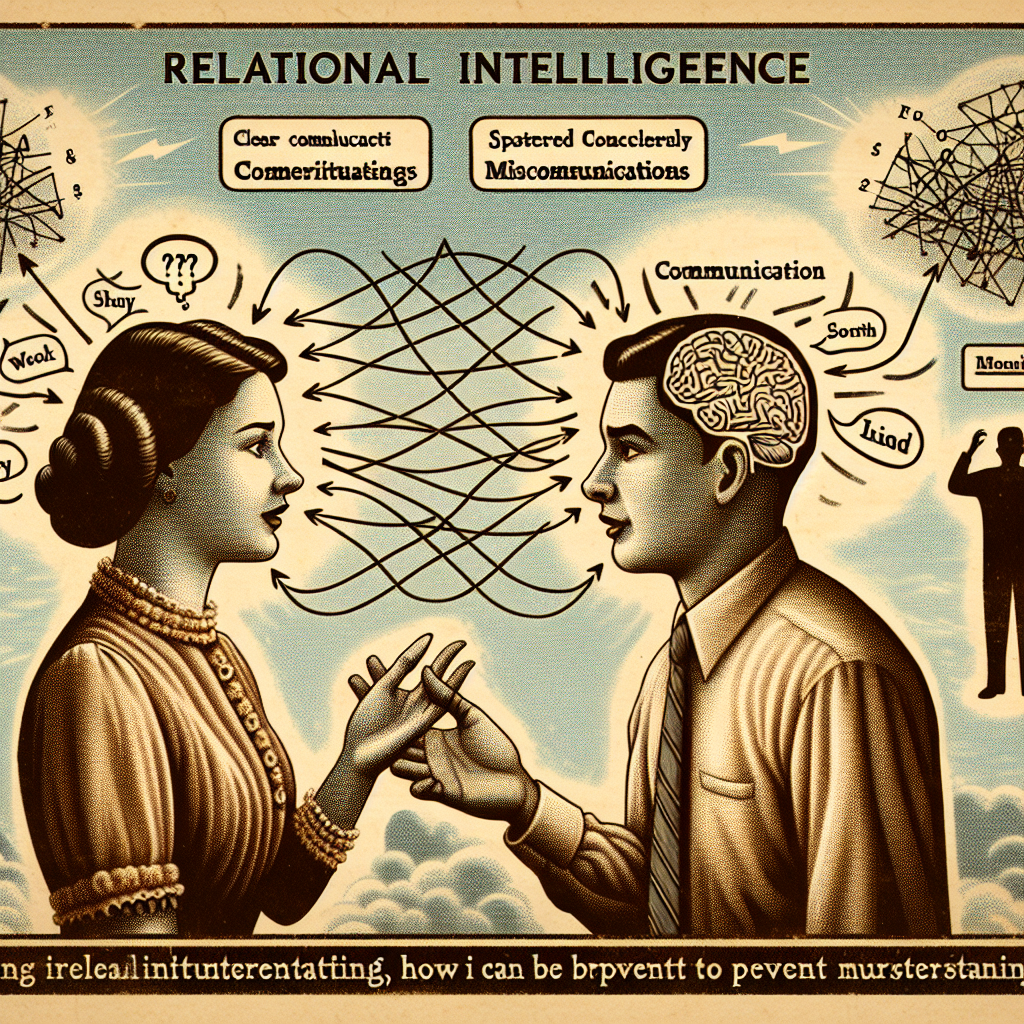
Relational Intelligence (RI) is a fascinating concept that revolves around the ability to understand and manage relationships. It’s about navigating the social nuances that come with interacting with others. In my experience, honing this skill makes a dramatic difference in both personal and professional relationships.
I often liken it to having a sixth sense for social interactions. When you develop your RI, you start to pick up on emotional cues, understand unspoken rules, and sense how your words affect others. The better you get at this, the fewer misunderstandings you’ll find in everyday life.
To truly make the most of RI, I believe one must first embrace the messy, complex nature of human interactions. We all come with different backgrounds, experiences, and emotional baggage, and recognizing this is key to preventing those awkward scenarios that often lead to miscommunication.
Why is it Important?
Why should we care about relational intelligence? Well, from my perspective, it’s the foundation of effective communication. When you effectively understand and manage relationships, you increase your ability to collaborate and create genuine connections.
In my own journey, I’ve realized how often things can go awry simply because of a misunderstanding. For example, a casual comment can be taken out of context, spiraling into a bigger issue than intended. By improving RI, I have learned to minimize these situations significantly.
Moreover, having high relational intelligence can enhance your professional life too. Whether it’s negotiating a deal or fostering teamwork, the ability to read the room accurately can be your secret weapon in achieving success.
How to Develop Relational Intelligence
Developing RI isn’t something that happens overnight, but the journey is rewarding. It begins with self-awareness; being conscious of your own emotions and reactions is essential. I started by reflecting on my own interactions, which helped shine a light on where I might be stumbling.
Practicing empathy is another crucial step. When I actively put myself in someone else’s shoes, I often find clarity in their perspectives, which greatly reduces potential conflicts. Engaging in active listening allows me to really understand what others say beyond just the words.
Finally, don’t be afraid to ask for feedback from friends or colleagues. Sometimes, we’re not the best judges of our own behavior. Opening up a line of communication about how you come off can be eye-opening and invaluable in developing your RI.
Practicing Active Listening
What is Active Listening?
Active listening is more than just hearing; it’s about engaging with the speaker. I can’t stress enough how vital this is in preventing misunderstandings. When I make a conscious effort to listen, I often find that little details slip through if I’m just passively absorbing information.
How do you practice active listening? It’s about giving your full attention to the speaker. Put your phone down, maintain eye contact, and nod your head. These small gestures show that you care and are engaged. It’s amazing how this simple engagement can clear up confusion almost instantly.
Additionally, summarizing what the other person has said can also reinforce understanding. I often find myself repeating back key points to confirm I got it right, which also gives them a chance to clarify anything I might’ve misunderstood.
Nonverbal Communication Matters
Nonverbal cues can say a lot more than words sometimes. A sly smile or a furrowed brow can convey emotions that words simply can’t. I’ve learned to pay close attention to body language and facial expressions, as these cues help fill in the gaps of whatever may not be explicitly said.
For example, during a discussion, if my conversation partner appears distracted or defensive, it’s usually a sign that something isn’t quite right. I try to adjust my approach accordingly to foster a more open dialogue. Being aware of your own body language also matters—after all, it helps set the tone for how others perceive you!
By integrating this nonverbal awareness into conversations, I’ve seen a marked improvement in how discussions unfold. People respond better when they feel they are being listened to holistically, not just with ears but also with eyes and heart.
Clarifying and Confirming
It’s so easy to assume we understand what others mean, but I can’t tell you how many times I’ve misinterpreted things based on that assumption. That’s why I’ve started making it a point to clarify my understanding of what’s been said.
After someone shares their thoughts, I often respond with, “What I am hearing is…” and repeat their points back to them. This has turned out to be a game-changer. If I’m off base, they can quickly correct me, preventing further miscommunication.
Furthermore, confirming details before moving forward with decisions is crucial. Whether it’s work-related tasks or personal planning, I find that being explicit about expectations and outcomes can save a lot of head-scratching later on.
Cultivating Empathy and Understanding
Walk a Mile in Their Shoes
The old saying goes, “Walk a mile in someone else’s shoes,” and it’s true! Often, I remind myself that we’re all fighting our battles. By practicing empathy, I can step outside my own experiences and feelings to understand others better.
What helps me is to think about what might be influencing their behavior—stress, deadlines, or personal issues. This lens allows me to respond to their emotions rather than just the content of their words, helping bridge gaps in understanding.
Empathy isn’t just a soft skill; it’s a powerful tool to prevent misunderstandings. When I take the time to consider the broader context in which someone is acting or speaking, I find that conflicts often diminish or disappear altogether.

Transform Your Conflicts Into Connections
Emotional Intelligence Plays a Role
Developing emotional intelligence (EQ) is paramount for understanding not just ourselves but others as well. Personally, I’ve found that the more in tune I am with my own emotions, the better I can empathize with those around me. Emotions are contagious, and by managing my own responses, I can create a calmer atmosphere for others.
I often explore my emotional responses to various situations, which allows me to recognize emotions in others. It’s not just about identifying what they feel but also how my actions might influence their emotions.
By strengthening my EQ, I’ve started to diffuse many situations before they escalate. I make it a priority to be aware of my feelings and adjust my responses accordingly, and guess what? It works more often than not!
Building Genuine Connections
At the end of the day, we all crave genuine connections, right? That’s where the magic happens. I’ve learned that building trust is a critical component in ensuring misunderstandings don’t crop up.
One of my go-to strategies is to be transparent with my intentions. When I communicate openly about my thoughts and feelings, it invites others to do the same. This reciprocal openness fosters a kinship that lends itself to a more harmonious relationship.
Lastly, creating opportunities for shared experiences—whether through teamwork or social gathering—can also deepen connections and understanding. In my experience, the more we bond, the more naturally we start to get each other, which leads to fewer misunderstandings down the line.
Fostering a Culture of Open Communication
Encourage Feedback
One of the best ways to prevent misunderstandings is to nurture a culture of open communication where feedback is welcomed. In my workplace, I’ve set up regular check-ins to encourage team members to share insights about how things are going.
These feedback loops create a space for transparency. If someone feels a message was confusing, they can express that without fear of retribution. When I started implementing this, I noticed that misunderstandings began to diminish significantly!
Moreover, actively seeking feedback from friends and family has also transformed my relationships. Encouraging honest dialogues helps uncover hidden sentiments that could otherwise lead to miscommunication.
Creating Safe Spaces for Discussions
Creating a safe space for discussions can encourage openness, making it easier to address misunderstandings when they arise. I’ve found that setting ground rules for conversations, like no interruptions, can help keep interactions respectful and focused.
This approach not only fosters trust but also makes everyone feel valued. When I’m in a safe environment to express my thoughts freely, I’m much more inclined to tackle misunderstandings head-on rather than letting them fester.
By prioritizing these discussions, I’ve seen relationships strengthen, with individuals feeling more comfortable addressing minor issues before they escalate.
Celebrate Successes Together
Recognizing and celebrating successes can reinvigorate relationships, creating a positive environment that encourages further openness. I believe that when we take the time to appreciate our collaboration, it fortifies our bonds, which, in turn, allows for healthier communication.
In practice, I’ve started celebrating both individual and group achievements. Whether it’s acknowledging someone’s hard work on a project or a quick shoutout for a personal victory, it cultivates a warm culture where people feel valued.
When misunderstandings occur in such a climate, there’s a foundation of goodwill and understanding to draw upon, making it easier for everyone to navigate through and resolve the issues constructively.
Frequently Asked Questions
1. What is relational intelligence, and why should I care about it?
Relational intelligence is the ability to understand and manage your relationships effectively. It’s important because it helps minimize misunderstandings and enhances communication, leading to better personal and professional relationships.
2. How can I practice active listening?
Active listening involves fully engaging with the speaker by maintaining eye contact, nodding, and summarizing what they say. Doing this shows that you value their perspective and helps clarify any potential misunderstandings.
3. What role does empathy play in preventing misunderstandings?
Empathy allows you to understand others’ emotions and perspectives, which can help you respond more appropriately in conversations. It fosters a deeper connection and helps address underlying issues that may cause miscommunication.
4. How do I create a culture of open communication?
Encouraging feedback, creating safe spaces for discussions, and celebrating successes together can help foster a culture of open communication. This approach helps invite honesty and transparency, which are essential for preventing misunderstandings.
5. Can developing relational intelligence improve my professional relationships?
Absolutely! Higher relational intelligence enhances your ability to collaborate, negotiate, and build strong networks. It leads to more effective teamwork and helps resolve potential conflicts before they escalate.

Schedule Your First 20-Minute Coaching
Call With Us Today to see if we fit . You pick the price!
Click Here