Understanding Relational Intelligence
What is Relational Intelligence?
So, let’s chat about relational intelligence. At its core, it’s all about how we navigate our relationships with others. It’s that innate ability to pick up on social cues, empathize, and engage effectively with the people around us. I remember when I first stumbled upon this concept. I realized it’s more than just getting along with people; it’s about truly understanding their perspectives and emotions.
This awareness of our own and others’ relational dynamics can lead to healthier interactions. Think about the last time you had a disagreement. Did you find yourself just wanting to be right, or were you listening to the other person’s feelings? Understanding relational intelligence helps shift the focus from winning arguments to fostering understanding.
Throughout my journey, I’ve noticed that honing this skill can significantly improve not just personal relationships, but also professional ones. It opens doors to constructive conversations and collaboration, almost like having a superpower in emotional landscapes!
Why is it Important?
Now, I won’t sugarcoat it—sometimes, mastering relational intelligence can feel like climbing a mountain. But trust me, the view from the top is worth it. Effective relationships can enhance your career, boost your mental health, and create a sense of community. It’s vital for teamwork, where diverse ideas converge and spark innovation.
I often reflect on how many conflicts arise because individuals overlook each other’s feelings. When we fail to acknowledge relational dynamics, misunderstandings fester like weeds in a garden. However, by embracing relational intelligence, we can tend to our emotional gardens and cultivate relationships that bloom beautifully.
In both personal and professional settings, people are more inclined to collaborate and trust one another when relational intelligence is involved. It fosters an environment where effort is appreciated and acknowledged, making everyone feel valued.
How Can You Develop It?
Alright, so if you’re thinking, “This sounds great, but how do I even start?” you’re in the right place. Developing relational intelligence is a journey, not a race. I recommend starting small by observing your interactions. Pay attention to your body language and that of others—sometimes, it speaks louder than words!
Journaling can also be incredibly beneficial. Capture your experiences and reflections about your interactions. Over time, you’ll begin to see patterns and notice how your responses affect others. Trust me, this practice can provide insights that are nothing short of enlightening.
Lastly, don’t shy away from asking for feedback. It might feel a bit awkward at first, but seeking input from friends or colleagues can highlight areas where you might be overlooking relational signals. Remember, growth comes from understanding our blind spots!
Cultivating Empathy
The Importance of Empathy
When we talk about relational intelligence, the word “empathy” often pops up. To me, empathy isn’t just about feeling sorry for someone; it’s about truly putting yourself in their shoes. It’s the difference between sympathy and understanding. In the age of social media, it’s so easy to scroll past someone’s post without really engaging. But building true connections requires us to dig deeper.
I learned early on that empathy creates a bridge between hearts and minds. Just think about a time when you felt truly heard. That’s the power of empathy! It not only enhances relationships but also fosters trust. When we demonstrate empathy, we signal that we care and value the other person’s experience, which can dismantle barriers and fortify bonds.
In practice, demonstrating empathy can open up conversations that lead to healing and understanding. Particularly in conflict situations, a simple acknowledgment of the other person’s feelings can soften hearts and pave the way for resolutions.
Practicing Active Listening
One of my top tips for cultivating empathy is to master active listening. This is more than just hearing words; it’s engaging with them. When someone speaks, I strive to be fully present, putting aside my phone and resisting the urge to formulate my response while they’re talking. Sounds easy, right? But you’d be surprised how many of us unintentionally tune out.
What I do is focus on what the other person is saying, asking clarifying questions, and reflecting back what I’ve heard. This not only shows I’m listening but also encourages the speaker to elaborate. It builds a sense of mutual respect and understanding that is absolutely crucial in nurturing strong relationships.
One trick I’ve found helpful is to occasionally paraphrase what the speaker has said. For instance, saying, “It sounds like you’re feeling overwhelmed with your workload.” This confirms that I’m not just hearing them, but truly processing their emotions.
Creating Safe Spaces for Sharing
I firmly believe that creating a safe space is crucial for empathy to thrive. People are more likely to open up when they feel secure and respected. This might mean setting the tone of conversations, being respectful of differences, and showing openness and understanding. I’ve found that being vulnerable myself sometimes encourages others to be open too.
Whether it’s in a team meeting or a heart-to-heart with a friend, find ways to foster an atmosphere where sharing feels safe and valued. I’m a huge proponent of setting ground rules for discussions, especially in team settings. Ensuring everyone’s voice is heard allows empathy to flourish.
When disagreements arise, utilizing empathy by validating feelings can transform tense moments. Creating a foundation of trust and safety helps us navigate tough conversations, ultimately leading to stronger bonds.
Building Trust
The Role of Trust in Relationships
Now that we’ve talked about empathy, let’s dive into trust. Trust is the cornerstone of any healthy relationship. Without it, you’re just going through the motions. I remember a time in a previous job where trust was lacking, leading to misunderstandings and frustrations. We couldn’t move forward as a team because of this fundamental gap.
Building trust requires consistency and transparency. When you say you’ll do something, follow through. This not only fosters reliability but also reinforces your commitment to the relationship. Trust deepens over time as we navigate challenges together, so it’s important to nurture it continuously.
Accountability also plays a huge role here. When I screw up—because let’s face it, we all do—I own it. Apologizing and showing willingness to make amends reflects integrity, enhancing the trust between individuals.
Consistency is Key
To put it plainly: be reliable. It builds a fortress of trust! I’ve learned through personal experience that when others see that I’m consistently showing up, they feel more secure in the relationship. Whether in work or friendships, being dependable really reinforces that belief in each other.
This doesn’t mean I have to be perfect; it’s okay to have off days. However, being transparent about those days helps others understand me better. They’re more likely to be compassionate if they see I’m human, too!
So, I encourage you to focus on the little things. If you make a commitment, aim to keep it. And if something comes up, communicate about it. This simple act can go a long way toward establishing a foundation of trust that will support the relationship’s growth.

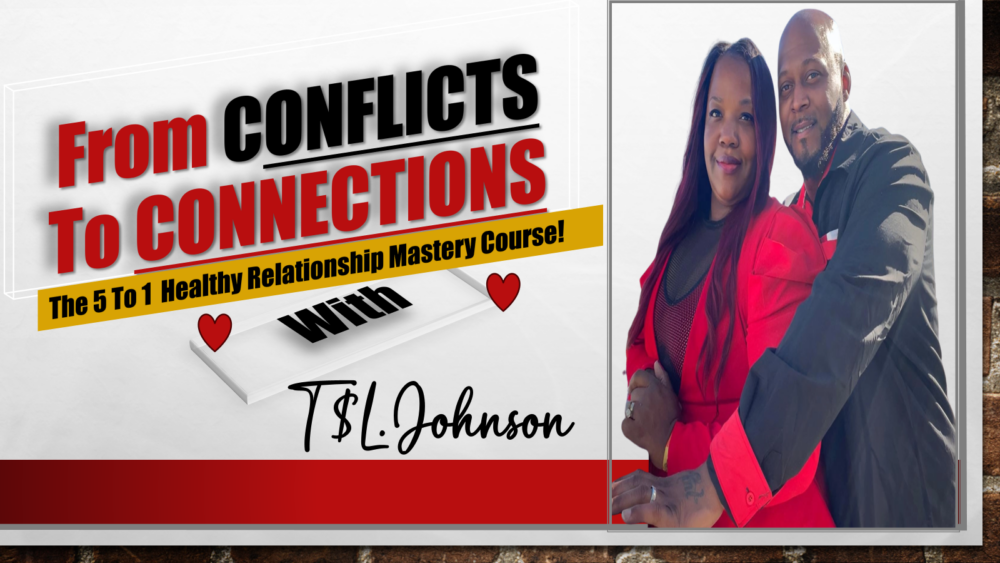
Transform Your Conflicts Into Connections
Communicating Openly
Effective communication is often touted as the key to successful relationships, and I couldn’t agree more. It’s all about being open and honest with one another. I’ve had my fair share of misunderstandings that could have been avoided with a bit of clarity and directness.
When communicating, it’s essential to express feelings without attacking others. I sometimes use “I” statements to avoid sounding accusatory. Instead of saying, “You always forget to do this,” I might say, “I feel a bit stressed when tasks aren’t completed.” This subtle shift can change the atmosphere of the conversation completely.
Moreover, don’t shy away from tough conversations. Addressing issues directly can alleviate lingering resentment and misunderstandings. In my experience, doing so has reinforced trust and reinforced relationships significantly.
Embracing Differences
The Value of Diversity
Embracing differences is a game-changer when it comes to relational intelligence. Each of us brings a unique set of experiences, perspectives, and ideas to the table. I’ve seen how diversity can enhance teamwork and creativity, but only when all voices are valued. Personally, I love working with a diverse group because it brings fresh insights!
This can sometimes feel daunting. Let’s be real: differences can lead to conflict. But instead of shying away, we should lean into those moments. They can serve as opportunities for growth and understanding. When we allow space for varied perspectives, we cultivate a rich relational tapestry.
Creating an inclusive environment encourages everyone to contribute their perspectives. This not only enhances problem-solving but also strengthens community bonds. I’ve found that embracing diversity enriches not only our work but our lives.
Navigating Conflicts Productively
Let’s be honest: conflicts are inevitable. But how we navigate them shapes our relationships! When differences arise, I aim to approach conflicts with an open mind. Remember, it’s not about winning; it’s about understanding. By addressing issues rather than avoiding them, we foster respect and collaboration.
During conflicts, I practice active listening—remember that superpower? I focus on understanding the other person’s viewpoint, which often diffuses tension. When both parties feel heard, we can work together to find a common ground. Trust me, it feels so much better than going in circles!
It’s also vital to focus on the issue at hand and not attack the person. I strive to keep emotions in check by emphasizing solutions. This approach has transformed many potentially explosive situations into productive dialogues.
Learning from Each Other
Finally, let’s not forget that embracing differences allows us to learn from each other. I often find myself surprised by the insights I gain from conversations with those who see the world differently. It’s like having a front-row seat to a different perspective!
Engaging in discussions with an open heart and mind opens doors to new ideas and solutions. When I approach relational dynamics with curiosity, it enriches my relationships. You never know what you might discover about yourself or others!
Embracing differences fosters unity and understanding. I feel that when we actively seek to learn from one another, we are not just improving our relational intelligence; we are paving the path toward harmony.
Conclusion
So there you have it: using relational intelligence to create harmony involves understanding it, cultivating empathy, building trust, and embracing differences. It takes time and practice, but the journey is oh-so-rewarding.
In my personal experience, the relationships I’ve nurtured through these principles have brought me immense joy and fulfillment. Taking the time to cultivate these skills can truly transform our interactions and lead us to deeper connections with others. Here’s to fostering more harmony in our lives!
FAQs
1. What is relational intelligence?
Relational intelligence is the ability to effectively navigate and manage relationships through understanding social cues, empathy, and communicative competence.
2. How can I develop my relational intelligence?
Developing relational intelligence involves practicing active listening, reflecting on your interactions, and seeking feedback from others to identify areas of improvement.
3. Why is empathy important in relationships?
Empathy fosters understanding and connection, allowing individuals to relate to each other’s experiences and emotions, leading to stronger bonds.
4. How do I handle conflicts with relational intelligence?
When handling conflicts, focus on active listening, avoid personal attacks, and maintain an open mind to find a resolution that respects both viewpoints.
5. What role does trust play in relational intelligence?
Trust is essential for building and maintaining healthy relationships. It fosters reliability and encourages open communication, enhancing the overall connection.

Schedule Your First 20-Minute Coaching
Call With Us Today to see if we fit . You pick the price!
Click Here