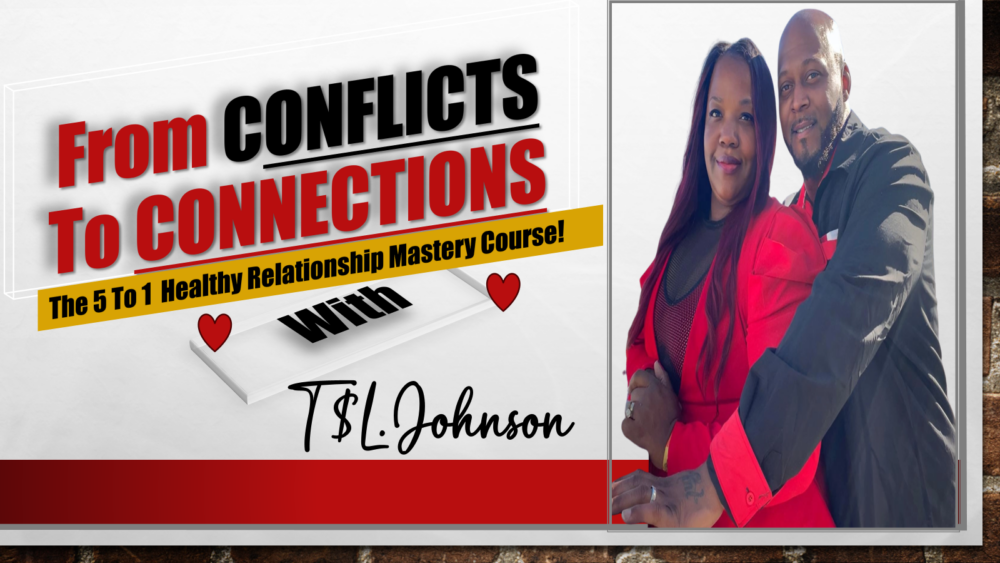
Understanding Relational Intelligence
What is Relational Intelligence?
So let’s kick things off by defining what relational intelligence even is. For me, it’s about being in tune with others’ emotions and dynamics in relationships. You see, it’s not just about what you say, but how you connect with the people around you. It takes understanding and empathy to navigate the waters of family dynamics, especially when tempers run high.
Being relationally intelligent means you can pick up on subtle cues—like someone’s tone or body language—that give you insight into how they’re feeling. This sensitivity helps you respond in a way that’s both appropriate and effective. I’ve found that the more you practice this, the easier it gets to interpret and respond effectively in family situations.
In my experience, cultivating this kind of intelligence helps you approach conflict not just with your mind, but with your heart, leading to better resolutions. It invites a level of connection that helps diffuse many tensions before they escalate.
The Importance of Self-Awareness
Self-awareness plays a crucial role in relational intelligence. Before you can handle conflicts well, you’ve got to understand your own emotions and triggers. Take some time to reflect on how you typically respond in stressful situations. For me, jotting down thoughts in a journal has been incredibly helpful. It allows me to “see” my emotions and identify patterns in how I react.
Once I know my patterns, I can manage my responses effectively. For example, if I know that certain comments from family members push my buttons, I prepare myself mentally. That way, during disagreements, I can stay calm instead of flying off the handle. Believe me, it makes a world of difference!
Through self-awareness, I learned to be less reactive and more proactive in my communication with family, which leads to healthier dialogues and resolutions. It’s like having a cheat sheet for navigating tricky conversations.
Empathy: Walking in Their Shoes
Empathy might just be the superhero of relational intelligence. You can’t resolve conflicts effectively without it. When I find myself in the thick of a family disagreement, I make a conscious effort to step back and consider where everyone else is coming from. What are their fears, hopes, and motivations? This can flip the whole scenario on its head.
For instance, during a recent family argument about planning a reunion, I noticed my sister was unusually quiet. Instead of assuming she was disinterested, I asked if she was feeling overwhelmed. Turns out, she had a lot on her plate and felt distant from the conversation. This simple act changed the vibes instantly!
Empathizing with family members fosters an environment where everyone feels heard and valued, which changes the game in conflict resolution. It’s about building bridges instead of walls.
Active Listening Techniques
Prioritizing Active Listening
Active listening is a game changer. Seriously, it sounds simple, but fully engaging in what someone is saying can diffuse tensions like you wouldn’t believe. I try to give my full attention, put my phone aside, and really listen—not just to respond, but to understand. It’s about being present in the moment.
During family discussions, I make a point to nod and provide affirmations. This communicates that I’m not just waiting for my turn to talk but genuinely invested in their viewpoints. When conflict arises, showing that level of attention helps others feel validated, and it often encourages them to open up more.
With active listening, I often find that I can uncover underlying issues. Instead of merely addressing surface-level disagreements, it helps us tackle the real problems at hand, leading to far more meaningful resolutions.
Clarifying Questions
An awesome technique that I’ve picked up is using clarifying questions. If something isn’t clear, I don’t hesitate to ask for more details. I usually start with phrases like “Can you tell me more about that?” or “What did you mean when you said…?” It opens up the conversation further.
Recently, during a discussion about how we were handling a family member’s health issues, I asked my dad to clarify his concerns about our approach. It turned out that he felt sidelined and didn’t think his opinions were considered. Just by digging a little deeper, I was able to clear up a misunderstanding.
This technique not only shows you’re engaged but also gives space for tension to diffuse as family members realize their voices truly matter. It’s a simple but powerful move!
Summarizing and Reflecting
After an intense family discussion, I always take a moment to summarize what was said. This reflective practice helps ensure that everybody feels heard. I might say something like, “So to sum up, you’re feeling… and suggesting… am I right?” This technique reinforces active listening and shows you care about ensuring everyone is on the same page.
By summing things up, it also gives everyone a chance to correct any misinterpretations before moving forward. For example, last week during a heated debate about finances, I summarized our different perspectives. It led to a calmer discussion and helped us find common ground.
This technique can work as a bridge, connecting where we started to where we’re headed, moving conflicts into constructive zones. It refocuses everyone on problem-solving rather than attacking each other.
Effective Communication Strategies
Using ‘I’ Statements
When tensions flare, how we communicate matters immensely. One shift that changed everything for me was switching to ‘I’ statements. Instead of saying, “You never listen to me,” I say, “I feel unheard when…” This method shifts the focus from blaming to expressing my feelings.
Using ‘I’ statements has made conversations more productive and less confrontational. I remember a time when discussing holiday plans went awry until I articulated that I felt overlooked. This way, my family was more open to hearing my thoughts, allowing for smoother collaboration on planning.
It keeps the dialogue civil and reinforces that it’s not about attacking someone’s character but rather sharing emotions. I found this simple language shift creates a more supportive atmosphere during family discussions.

Transform Your Conflicts Into Connections
Choosing the Right Time and Place
Timing really is everything. Choosing the right moment and setting for a conversation can significantly impact the outcome. I’ve learned the hard way not to initiate serious discussions during family gatherings when emotions are running high or distractions abound. Instead, I try to pick a quieter, comfortable space.
For instance, I recently waited for a relaxed Sunday afternoon to tackle some family budgeting issues rather than discussing them during a crowded dinner. It allowed us all to be calm and engaged. We ended up having a constructive dialogue where everyone could share ideas without feeling rushed.
This approach also helps to ensure that everyone is in the right mindset to participate without distractions. Trust me; it makes a difference and leads to more in-depth discussions!
Non-verbal Communication Awareness
Another aspect that’s often overlooked in discussions is non-verbal communication. I’ve realized how much our body language, tone, and facial expressions convey messages, sometimes more than words do. Paying attention to these cues can provide insights into how the conversation is going.
For example, if someone’s arms are crossed, they might be defensive, and if I notice that, I can adjust my approach to be more inviting and open. I often try to remain relaxed and maintain eye contact to signal that I’m engaged and approachable.
This awareness can drastically shift the dynamics of family conversations. By being attuned to non-verbal signals, you can respond more effectively and foster a more comfortable environment for discussion.
Conflict Resolution Techniques
Seeking Common Ground
In any family conflict, it’s wise to seek common ground. It becomes way easier to work through disagreements when you identify shared values or goals. Whenever I’m in the thick of it, I remind myself that we’re ultimately on the same team. For example, I’ve had arguments about parenting styles with my sibling, but realizing we both want the best for our kids really helps to align our discussions.
This alignment can be showcased by saying something like, “Hey, we both care about what’s best for our kids. Let’s brainstorm together on how we can approach this.” It transforms the conversation from an adversarial stance to one of collaboration.
Finding common ground becomes an anchor point during tense discussions. It empowers both parties to focus on a shared vision, making it easier to navigate through differing opinions without burning bridges.
Focusing on Solutions
When debates heat up, it’s easy to get stuck in the problem. But I’ve learned the importance of pivoting to solutions. Instead of banging on about how things went wrong, I bring up the possibilities ahead. This kind of forward-thinking is contagious and often shifts everyone’s perspective.
For instance, during a recent dramatic family discussion about our aging parents’ needs, instead of getting lost in complaints, I suggested we all brainstorm practical solutions. Suddenly, instead of feeling pitiful and overwhelmed, we were teamworking on helpful plans!
By creating an atmosphere focused on constructive dialogue instead of blame, it leads to more positive outcomes for everyone involved. It helps family members unite towards common solutions rather than splitting apart over disputes.
Establishing Boundaries
Last but definitely not least, knowing when and how to establish boundaries is vital to maintaining relational intelligence. Sometimes, conflicts arise from perceived invasions of personal space or autonomy. I’ve had to learn how to communicate my comfort levels clearly and compassionately.
During a difficult family reunion, I found my cousin’s habit of unsolicited advice really grating. Instead of letting it fester, I politely expressed my preferences regarding receiving feedback. This honest communication lightened the tension and created awareness around personal boundaries.
Boundaries help protect everyone’s feelings and establish a healthier dynamic within the family. When we set them respectfully, we create clarity that often leads to more respectful interactions in the long run.
Frequently Asked Questions
1. What is relational intelligence?
Relational intelligence is the ability to understand and manage the dynamics of relationships, focusing on empathy, emotional awareness, and effective communication.
2. How can I be more empathetic during family conflicts?
To enhance empathy, practice active listening, consider the feelings of others, and communicate your understanding. It can significantly alter how conflicts resolve.
3. Why is active listening important?
Active listening fosters connection, ensuring everyone feels heard. It can calm escalating tensions and lead to more fruitful conversations.
4. How do I approach a family member who I have conflicts with?
Choose an appropriate setting, use ‘I’ statements, and keep the focus on solutions and common goals. This will encourage a constructive dialogue.
5. What should I do if a family conflict escalates?
If tensions rise, take a step back, rely on your relational intelligence skills, and seek resolution through calm communication, focusing on empathy and shared interests.

Schedule Your First 20-Minute Coaching
Call With Us Today to see if we fit . You pick the price!
Click Here