Understanding the Nature of Conflict
What is Conflict?
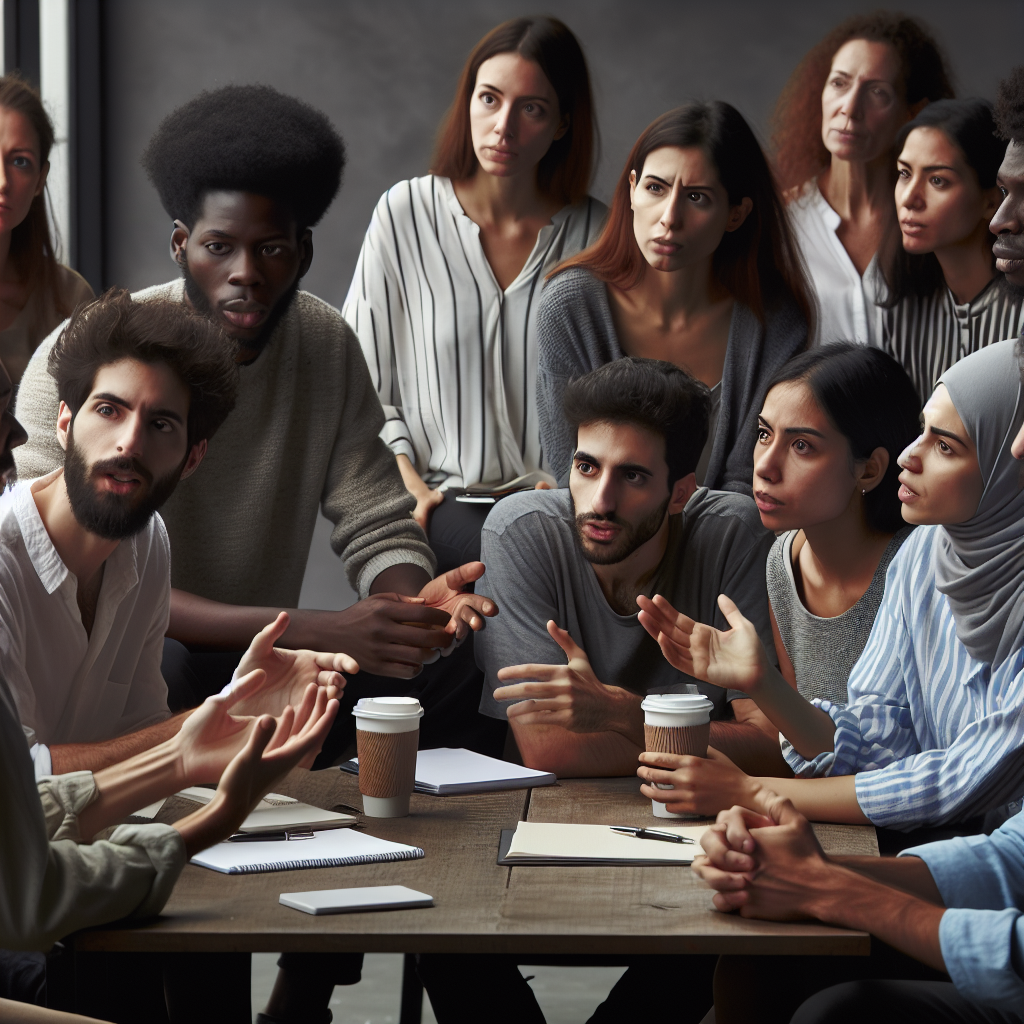
Conflict is something we all experience, whether it’s with our boss, family, or friends. It’s that friction that occurs when our wants, needs, or beliefs clash with someone else’s. In my experience, conflict isn’t inherently bad; it’s a natural part of human interactions. Recognizing it can really help us shift our perspectives.
Think about it like this: when two different viewpoints meet, that’s where the tension starts. Sometimes, it feels uncomfortable. But instead of running from these feelings, we can choose to lean into them, acknowledge them, and grow from them. The key is to understand that conflict is just a signal – a signpost indicating that something needs addressing.
I’ve learned that approaching conflict with curiosity instead of fear can open doors that we didn’t even know existed. It’s like learning a new dance; at first, you might trip over your own feet, but eventually, you find your rhythm.
Embracing Conflict as a Learning Opportunity
Shifting Perspectives
When conflict arises, it often forces me to look at situations from a different angle. I remember a heated debate in a team meeting, where I really believed my idea was the best. However, my colleague’s perspective challenged me, and I had to take a step back. It was uncomfortable, but that discomfort turned into growth.
This shift in perspective is huge! It allows me to see not just my viewpoint, but also the strengths in others’ ideas. When I can embrace that mindset, I become a more well-rounded individual and better teammate. Plus, our team can create something stronger, built from various insights.
Looking at conflict this way enables a culture of learning. When everyone recognizes that each conflict can teach us something, I start seeing the value in Open conversations. Keep in mind: each disagreement is just an opportunity to fine-tune my understanding.
Effective Communication during Conflict
The Importance of Active Listening
One of the biggest realizations I’ve had is that during conflict, listening actively is crucial. It’s super easy to get caught up in what I want to say next, rather than genuinely hearing what the other person is saying. I’ve been in discussions where I realized I was just waiting for my turn to speak!
Active listening means tuning into not just the words, but the emotions behind them. By practicing this, I’ve been able to create better understanding and trust. Instead of dismissing someone’s feelings, I’ve learned how to acknowledge them, which often diffuses tension quicker than I could imagine.
In my experience, once I truly listened, I found that the other party was more willing to listen in return. It builds rapport. What I’ve found is that this exchange brings us closer and transforms potential confrontations into fruitful, constructive dialogues.
Finding Common Ground
Identifying Shared Goals
When I’m facing conflict, it helps to focus on what we have in common. This is where I like to bring up shared goals. For instance, in a project with differing views on how to achieve a deadline, I like to steer the conversation towards our ultimate aim: delivering a successful product.
Transform Your Conflicts Into Connections
By emphasizing that we’re all in this together, it encourages a collaborative spirit. I’ve often seen how quickly barriers come down when we can talk about why we’re working on something together rather than just our individual opinions.
Once I establish that common ground, it turns into a discussion about ‘how’ we can reach that goal together, rather than a debate on ‘who’s right.’ There’s something powerful about working towards a shared vision that can turn a conflict into a collaborative session.
Reflecting and Learning from Conflict
Taking Time to Assess the Situation
After a conflict, I’ve found it’s best to take a step back and reflect. I ask myself some questions about what happened, what emotions were at play, and how everyone involved reacted. This reflection helps me process the experience rather than just filing it away and moving on.
During reflection, I like to jot down key takeaways. What did I learn about myself? How could I have communicated better? Each assessment helps me to grow, developing my emotional intelligence and communication skills, quite seriously.
The real power lies in understanding both my reactions and those of others. By doing this, I’m better equipped to navigate future conflicts. Trust me; this self-awareness turns conflict from being something I dread into a personal development tool.
FAQ
What is the main message of using conflict for growth?
The main message is that conflict can be an opportunity for learning and development rather than something to avoid. Embracing this perspective can lead to personal growth and improved relationships.
How can I improve my communication during conflicts?
Practicing active listening is key. Focus on truly hearing what the other person is saying rather than just preparing your response. This can foster a more productive discussion.
Why is finding common ground important?
Finding common ground helps shift the focus from disagreement to collaboration. It allows both parties to remember they are working towards a shared goal, which can ease tensions.
What should I do after a conflict?
After a conflict, take time to reflect. Assess the situation, your feelings, and what you can learn from the experience. It’s a helpful practice for personal development and future interactions.
Can conflict be completely resolved?
While it’s possible to resolve conflict, different viewpoints might still exist after a resolution. The goal is to find understanding and respect differing opinions, which can lead to stronger relationships.

Schedule Your First 20-Minute Coaching
Call With Us Today to see if we fit . You pick the price!
Click Here