Pause and Reflect
Understanding Your Emotions
When emotions run high, the first thing I remind myself is to take a moment to pause. It’s so easy to get swept up in the heat of the moment and react without thinking. By pausing, I give myself the space to really reflect on what I’m feeling. It helps to label those emotions, whether it’s anger, hurt, or frustration. Accepting my feelings as valid set the stage for more respectful dialogue.
Once I’m aware of my emotions, I take a breath before responding. This simple act of breathing can do wonders in calming the storm inside. I usually count to four, inhaling and exhaling slowly. It’s not just about calming down; it’s about ensuring that I respond thoughtfully, rather than saying something I might regret later.
This moment of reflection also gives me time to consider the other person’s emotions. Understanding their perspective is crucial. I try to ask myself how they might be feeling and why. This not only fosters empathy but also prepares me to have a more constructive conversation afterward.
Communicate Clearly
Choosing the Right Words
In heated moments, I’ve learned that words matter more than ever. When I’m upset, it’s tempting to use language that is sharp and cutting. However, I strive to choose my words carefully, focusing on “I” statements rather than “you” accusations. For example, instead of saying, “You never listen to me,” I’ve realized it’s more productive to say, “I feel unheard in this situation.”
Clear communication also means being straightforward about what I need in that moment. Letting others know my expectations helps avoid misunderstandings. Sometimes I find it helpful to articulate my feelings, such as, “I need a moment to process before we continue this conversation.” This approach invites collaboration rather than confrontation.
Lastly, I pay attention to my tone and body language. It’s fascinating how much non-verbal communication impacts how my words are received. Keeping a calm demeanor, making eye contact, and adopting an open posture all contribute to the message I’m trying to convey. I aim to create a space where respectful dialogue can happen.
Listen Actively
Giving They Speaker Your Full Attention
Listening is a powerful tool, especially in emotionally charged conversations. Whenever I engage in discussions where tensions are high, I focus on practicing active listening. This means not just hearing the words but really understanding the meaning behind them. I often nod and give verbal affirmations like “I see” or “I understand” to show that I’m engaged.
I also put my phone away and ensure other distractions are minimized. It’s funny how easy it is to check my phone during a serious conversation, but I’ve realized that this sends a message that I’m not fully present. By eliminating distractions, I not only show respect to the other person but also absorb the information they share much better.
Lastly, I make it a habit to respond to what the other person has said. Reflecting back what I heard not only clarifies understanding but also fosters respect. For example, I might say, “What I’m hearing is that you feel frustrated by…” This demonstrates that I’m not just waiting for my turn to speak but genuinely care about their perspective.
Manage Your Reactions
Staying Grounded
Emotions can be like a rollercoaster; they can spike and dip rapidly. That’s why I’ve found it essential to manage my reactions. When discussions escalate, I remind myself that I don’t have to react immediately. Taking a mental step back allows me to assess the situation calmly. I often visualize a serene place to help ground myself, which cools down my rising emotions.

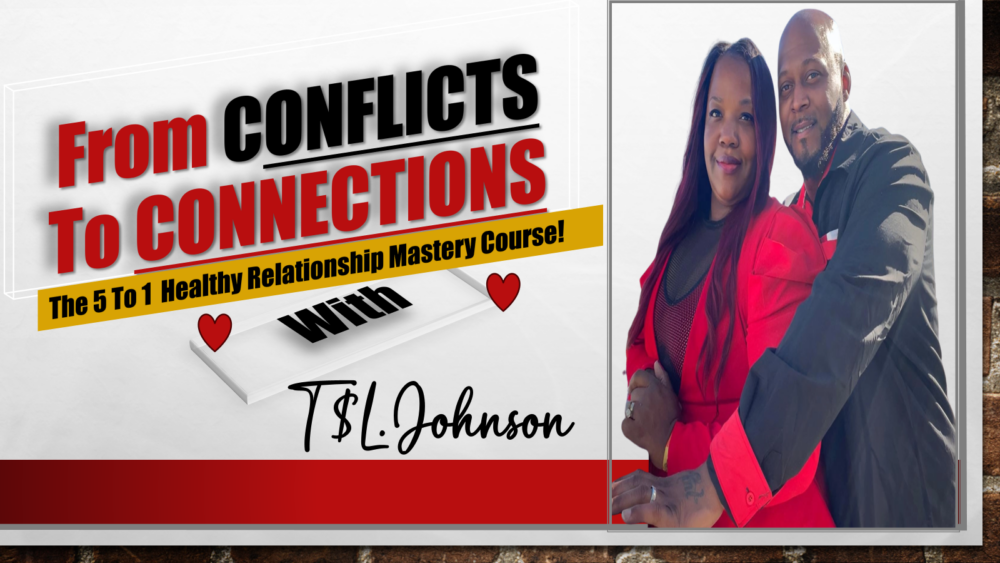
Transform Your Conflicts Into Connections
Another technique I’ve picked up is to practice gratitude, even in tough discussions. I pause to think about the positive aspects of the relationship or situation. Shifting my thinking to positive ground can change my emotional landscape significantly, and I find that it helps me respond more respectfully.
Finally, I remind myself that it’s okay to take breaks if things become too heated. I’ve been in conversations that turned toxic, and stepping away for a moment helps to bring the heat down. Whether it’s suggesting a break or just addressing the need for a breather, it’s a perfectly respectful way to manage emotions without escalating conflict.
Find Common Ground
Building Bridges
One of the most rewarding aspects of any emotionally charged discussion is the opportunity to find common ground. I’ve learned that focusing on shared goals or values can diffuse a tense moment. During disagreements, I ask myself, “What do we both want?” This thought refocuses our conversation on collaboration rather than conflict.
Building on this idea, I often reference past experiences that we both appreciate. Reminding ourselves of past successes or enjoyable moments creates a nurturing atmosphere for discussion. It helps to reinforce that we’re on the same team, rather than adversaries.
Most importantly, I stay open to compromise. It’s crucial to recognize that we might not come to a perfect agreement, but finding a middle ground where both parties feel valued is the goal I always strive for. Whether it’s adjusting my position slightly or recognizing the other’s viewpoint, that willingness opens the pathway for respectful dialogue to flourish.
FAQ
1. Why is it important to pause before responding during high emotions?
Pausing allows you to reflect on your emotions and gives space to respond thoughtfully instead of reacting impulsively, which can lead to misunderstandings or hurtful communication.
2. How can I communicate effectively without escalating tensions?
By using “I” statements and expressing your feelings clearly, you reduce accusatory language and encourage a more constructive conversation, fostering understanding instead of conflict.
3. What does active listening involve?
Active listening involves giving your full attention, reflecting on what is said, and responding appropriately to acknowledge the speaker’s feelings and perspectives.
4. How can I manage my emotions during intense dialogue?
Practice grounding techniques like breathing, visualization, or taking breaks when necessary to remain calm and engaged, allowing for more respectful conversations.
5. What can I do to find common ground in difficult discussions?
Focus on shared values, acknowledge past successful experiences together, and express a willingness to compromise, which helps to foster collaboration rather than competition.

Schedule Your First 20-Minute Coaching
Call With Us Today to see if we fit . You pick the price!
Click Here