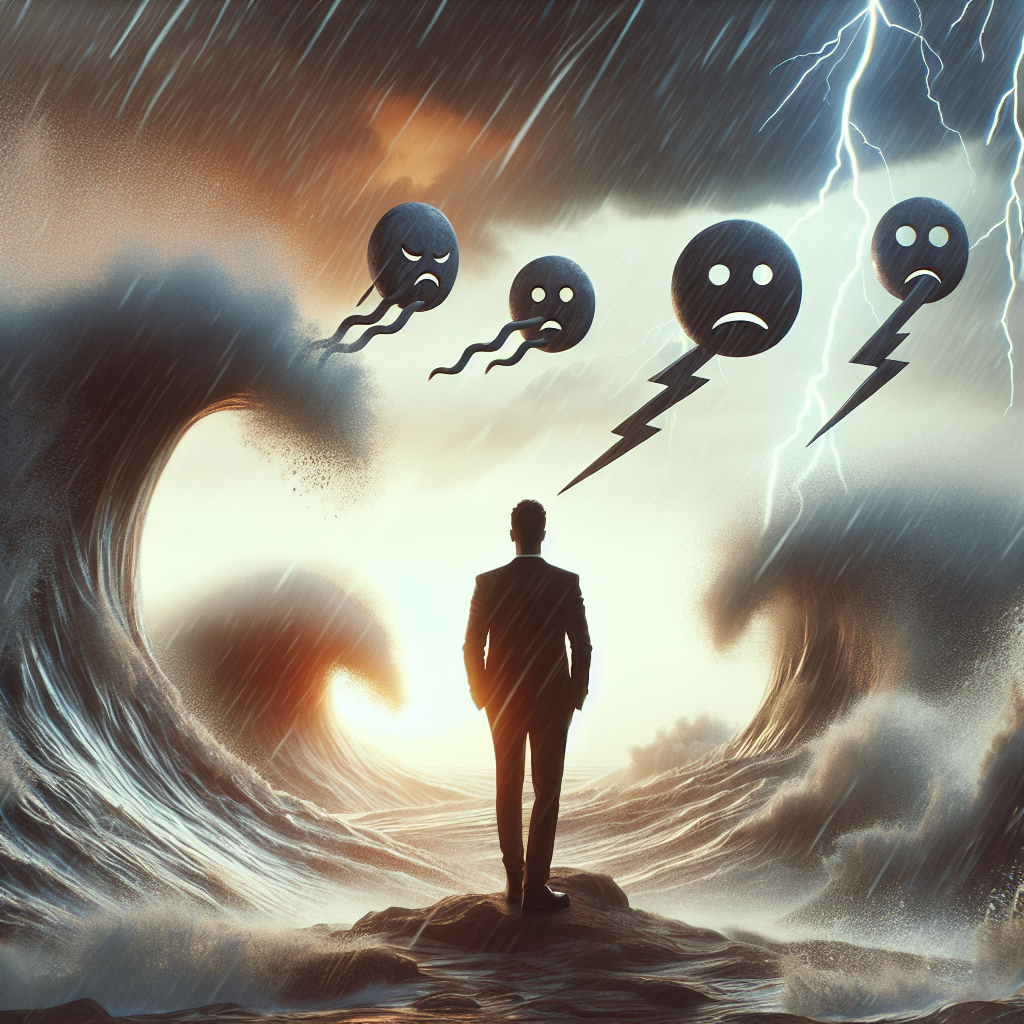
We’ve all been there. Life throws these unexpected emotional tornadoes our way, and it can feel like we’re standing in the eye of a storm, just praying for it to pass. The key is to learn how to stay anchored, even when the winds pick up. Through personal experience and some tried-and-true strategies, I’ve figured out a few effective ways to remain present during those emotional upheavals. Here are five approaches that have worked wonders for me.
Recognize Your Emotional State
Acknowledge What You’re Feeling
The first step in dealing with an emotional storm is to simply recognize what’s going on inside your head. For too long, I used to brush aside my feelings, thinking it was a sign of weakness. But trust me, admitting you’re feeling anxious, sad, or angry is a critical part of processing those emotions. It’s like opening the window and letting in fresh air after a stuffy day.
When I take a moment to sit and reflect on my feelings, I often ask myself questions like, “What triggered this emotion?” or “How can I describe what I’m feeling?” This kind of introspection can help me understand the root cause of the storm brewing within me.
Also, remember that it’s okay to not have everything figured out. Just sitting with those feelings and acknowledging them can be incredibly cathartic, paving the way for deeper work later on.
Identifying Physical Symptoms
Often, our bodies provide clues about our emotional landscape. Feeling tightness in my chest or an itch to flee means there’s something worth exploring. I’ve learned to pay attention to these signals—my body is essentially trying to communicate with me. I suggest you tune into your body’s reactions during emotional disturbances.
Start paying attention to when your body reacts impulsively. Is your stomach churning when you think about a specific person or event? This physical awareness can serve as a great barometer for what’s truly affecting you at any given moment.
And hey, don’t underestimate the impact of your body language—crossed arms, furrowed brows, and clenched fists are all signs that you’re battling something internally. Becoming aware of these signals can be the first step to calming those storms.
Accepting Your Current Situation
Earlier, I used to wrestle with my thoughts, trying to change what I was feeling. But I soon found that acceptance is key. Accepting your emotional state doesn’t mean that you’re okay with it; it just means you’re acknowledging what is right now. It’s like giving yourself permission to feel, without the guilt or shame.
This acceptance can be liberating! When I started to say to myself, “Okay, I’m feeling sad,” I felt a weight lift. Emotions, as we all know, are fleeting. They come and go, like waves crashing and receding on the shore. This realization can empower you to understand that these emotional storms will eventually pass.
Practicing self-compassion during these times is crucial. Be gentle with yourself, because hey, we’re all human, and we all have our moments. Allowing yourself that space can make all the difference.
Practice Mindfulness Techniques
Breathing Exercises
When emotions hit hard, I turn to my breath. I mean, it’s one of the simplest and most effective tools we have. Taking deep, intentional breaths helps me slow down my racing heart and re-center my mind. In the past, when feeling overwhelmed, I’ve focused on inhaling deeply through my nose for a count of four, holding it for four, and exhaling for six. Trust me, it works wonders!
Additionally, practicing various breathing patterns can also help shift your focus from the emotional storm. I usually try to take five minutes to really engage with my breath, visualizing the air flowing in and out warm and peacefully. This has become a little ritual for me!
There’s something magical about the connection between breath and emotion—when I breathe slowly and consciously, it calms not just my mind but also my entire being. Don’t overlook this simple yet powerful technique.
Body Scanning
Now, this is one of my favorites! Body scanning is a mind-body technique where I consciously focus on different parts of my body, paying attention to sensations and tension. This method helps me get out of my head and into my body. Sometimes, when the emotional winds pick up, I might not even realize how tense I’ve become.
So, I start at my toes and gradually move upwards, noticing how each part feels. This practice brings me back to the present moment and enhances my awareness of the emotional storm swirling around me. It’s a grounding exercise, gently reminding me that my body and mind are interconnected.
Plus, finding areas of tension in your body can alert you to where you might need to focus some healing energy. I often end up releasing some tightness I didn’t even know I was holding. It’s an enlightening experience!
Mindful Observation
Another technique I lean on during emotional storms is mindful observation. This involves intentionally focusing on your surroundings and taking in everything around you—the sights, sounds, and even the smells. I find that engaging my senses can help pull me back into the moment and away from my swirling thoughts.
Try to describe the textures of objects around you, the sounds of nature or even just traffic—it doesn’t matter. Connecting with your environment can help lessen the impact of your emotional distress. I often find it grounding to count the number of colors I see or the number of different sounds in the background.
This practice of observation fills the space of turmoil with curiosity, shifting the focus away from the storm brewing inside. It’s incredible how it opens your mind and gives a little more room to breathe amidst the chaos.
Engage in Physical Activity
Going for a Walk
When I feel the pressure of emotions becoming too intense, I lace up my sneakers and go for a walk. It’s such a simple act, yet it works like a charm for me. Getting out and moving my body helps me shake off some of the emotional stickiness, distracting me while I gather my thoughts.
Being in nature is particularly soothing. I love listening to the crunch of leaves under my feet and feeling the breeze on my face. It’s as if Mother Nature is giving me a big hug, helping me release whatever feels heavy.
Besides the physical benefits, walking also provides a nice mental break. While focusing on each step, I can process my emotions at a more manageable pace—sometimes I even catch myself smiling as I reclaim my inner calm.

Transform Your Conflicts Into Connections
Incorporating Dance
Now, I might sound a bit goofy, but one of the best things I’ve done to manage my emotional storms is to start dancing! I crank up my favorite tunes and just let loose. Believe me, there’s something about moving to music that effortlessly lifts my spirits.
When I dance, I feel a rush of endorphins that completely shifts my mood. It’s like my body knows how to process those feelings without my mind getting in the way. So I dance like nobody’s watching—and it’s honestly one of the best stress relievers out there!
If dancing isn’t your jam, consider jumping into any form of exercise that gets your heart racing. It’s all about finding what feels good for you. Exercise is a powerful tool for emotional healing, and it’s something we can do easily.
Yoga and Stretching
Stretching has been a game-changer for me also. Yoga, in particular, combines breath and movement. Practicing yoga not only helps release tension in my body but also encourages me to be present in the moment. Each stretch helps me become more aware of my body and its connection to my emotions.
When I finish a yoga session, I always feel lighter, both physically and emotionally. It’s incredible how gently moving my body can cleanse it from all the pent-up energy and anxiety. I might not be a yoga instructor, but following along with online classes has been worthwhile!
So grab a yoga mat and give it a shot. Even a few minutes of gentle stretching can change the entire course of your day. It gives me a chance to breathe deeply and ensure I’m staying present with my emotions.
Reach Out for Support
Talk to Someone You Trust
Sometimes, we just need that venting session, right? I’ve found that talking to a friend or family member can provide a sense of relief when emotional storms start to swirl. Sharing my experience often lightens the load surprisingly, and I don’t feel so alone in my struggles anymore.
Every time I reach out, I’m reminded of the power of human connection. It makes such a difference to know that someone else is out there, ready to listen and support me. Honestly, people want to help; all you have to do is ask!
However, choose someone who understands you and is prepared to offer advice or just lend an ear. Venting can be cathartic and healing, allowing you to feel validated in what you’re experiencing. Plus, who doesn’t love a good chat over a cup of coffee?
Seeking Professional Help
If you’re feeling overwhelmed, it might be time to consult a therapist. This could be key to untangling the complex emotional threads that storm through your mind. I quickly realized that professionals have tools and strategies to help you process feelings that might seem insurmountable.
Therapists offer a safe space to explore what we may not fully understand ourselves. I’ve had experiences that left me with questions, doubts, and emotional baggage. Seeking help is not a sign of weakness; instead, it’s a courageous first step toward healing.
So, don’t hesitate to take that step. There are so many resources available, including hotlines, apps, and local therapists. Starting that conversation with a professional can be transformative!
Join a Support Group
Joining a support group can also be a fantastic way to connect with folks who are experiencing similar challenges. Finding a community can be incredibly therapeutic. I’ve learned that sharing stories and experiences with others who “get it” creates strong bonds.
Support groups can break the feeling of isolation that often accompanies emotional storms. It’s refreshing to realize we’re not alone in our experiences—others have faced similar struggles and come out stronger on the other side!
Whether it’s a group in-person or online, the connections formed can foster understanding and compassion. Sharing your journey with others can often bring new insights that spark a sense of hope and resilience.
Conclusion
Learning how to stay present during emotional storms is an ongoing process. The strategies I’ve shared have helped me navigate through turbulent times, allowing me to reclaim calm and mindfulness. Remember to acknowledge your feelings, practice mindfulness techniques, engage physically, and reach out for support. Each storm will pass, and with these tools in your toolkit, you’ll be better equipped to weather them.
FAQ
1. What should I do first when I feel overwhelmed by my emotions?
First, take a moment to recognize and acknowledge what you’re feeling. This initial step is crucial for processing those emotions effectively.
2. Are there specific breathing techniques that can help calm me down?
Yes! One technique I often use involves inhaling deeply for a count of four, holding for four, and exhaling for six. This helps ground me during emotional storms.
3. How can physical activity improve my emotional state?
Physical activity releases endorphins, which can help boost your mood. Activities like walking, dancing, or yoga can provide a healthy outlet for emotional stress.
4. Is it necessary to talk to a therapist about my emotions?
While it’s not necessary for everyone, seeking professional help can provide valuable guidance and tools for better managing emotions, especially if they feel overwhelming.
5. How can I find a support group that fits my needs?
Look online or ask for recommendations from friends or healthcare professionals. Many communities offer both in-person and virtual support groups where you can connect with others.

Schedule Your First 20-Minute Coaching
Call With Us Today to see if we fit . You pick the price!
Click Here