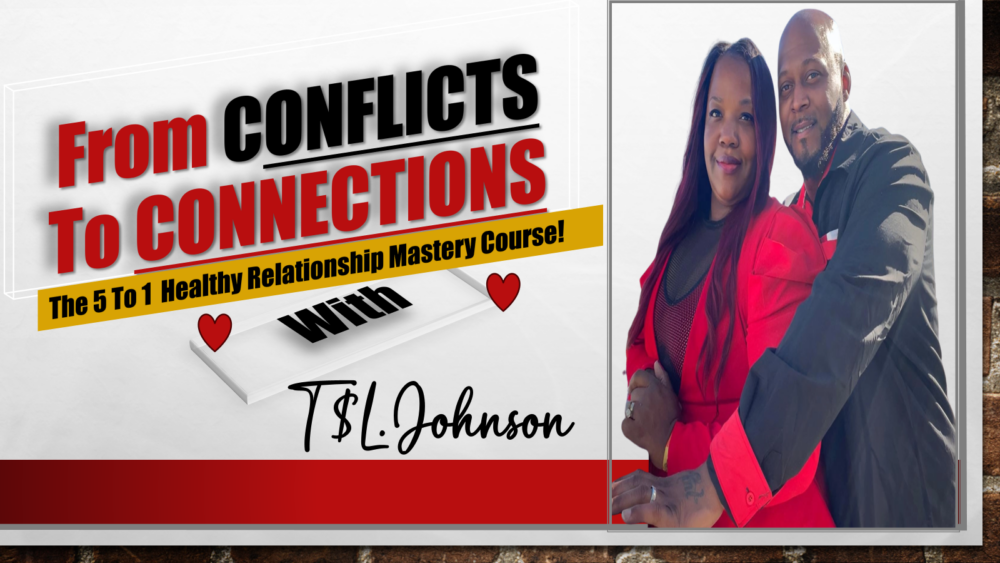
Recognize the Signs of Tension
Understanding Emotional Triggers
In my journey of cultivating loving relationships, one of the biggest lessons I’ve learned is the importance of recognizing emotional triggers. It’s fascinating how a seemingly small incident can shift the atmosphere in a relationship. Identifying what sets you or your partner off can be a real game-changer. This means paying attention to the patterns and dynamics that unfold during tense moments.
Reflecting on my own experiences, I realized that awareness of these triggers helps create a buffer zone. It’s not about silencing or suppressing feelings—which is often counterproductive—but rather acknowledging them in a constructive way. When I know what caused the tension, I can approach my partner with understanding.
Additionally, I’ve found that sharing these triggers with my partner fosters openness. When you both are aware of what might lead to heightened emotions, it sets the stage for building empathy and finding common ground. This shared understanding is often the first step in diffusing tension.
Communicate Openly
Let’s be real—it’s tough to talk when tensions rise, but I’ve learned that open communication is key. I often think back to moments where I’ve bottled things up. What I thought was protecting my partner ended up creating a chasm instead. I’ve found that stating fears, frustrations, or even the tiniest annoyances can release steam before it builds into a boiling point.
When I feel tension creeping in, I make a conscious effort to address it rather than ignoring it. This doesn’t mean turning every small upset into a debate, but simply sharing how I feel can prevent misunderstandings. Sometimes, I just need to say, “Hey, I’m feeling a little overwhelmed. Can we talk about this?” Such a simple phrase can do wonders.
And let’s not forget the art of listening. Communication is a two-way street, and giving my partner a safe space to express themselves fosters a loving environment. It shows we’re in this together, reinforcing our emotional bond even when tensions rise.
Practice Active Listening
Active listening has been a lifesaver in my relationships. It’s not just about hearing words; it’s about truly listening to understand the feelings behind them. I often practice reflective listening—paraphrasing what my partner says and clarifying to ensure I really got it. It helps in showing them that I value their perspective.
This approach doesn’t just help defuse tension; it builds trust. When my partner knows I’m genuinely invested in their feelings, it fosters a deeper emotional connection. Tensions may feel like a wall, but active listening creates doors instead.
Being present while they talk also matters. My phone goes away, my mind focuses on their words, and I try to maintain eye contact. In doing so, I’ve seen how even the most heated exchanges can turn into a constructive conversation, just by shifting my approach to listening.
Take a Timeout
Recognizing When to Step Back
There are times when I’ve just felt too amped up to have a productive conversation. I’ve realized it’s perfectly okay to take a timeout. In fact, it’s often necessary! When the emotions spike, I try to recognize when I need to step back and breathe. It’s amazing how a few deep breaths can help regain focus.
When I sense the energy is off, I’ll suggest a break. This doesn’t mean running away from the issue; instead, it creates space to collect my thoughts. After a few moments apart, I often return with a clearer perspective, ready to tackle the problem without the cloud of anger or frustration hanging over me.
Plus, it shows my partner that I’m committed to finding resolution rather than just reacting. Taking a timeout is a sign of strength, not weakness. It sets the stage for a calmer conversation and a better chance of resolving whatever caused the tension in the first place.
Practicing Self-Care
I can’t stress enough how crucial self-care is for maintaining loving relationships. When I’m feeling tense or stressed, I often realize it’s because I haven’t been taking care of myself. Making time for my hobbies, engaging in physical activities, or just lounging with a good book can do wonders for my mood.
Additionally, I’ve found that keeping up with friendships outside of my romantic relationship helps tremendously. Conversations and laughter with friends not only uplift my spirits but they also provide a fresh perspective on any relationship woes. That support system is like a safety net during tough times.
Self-care isn’t selfish; it’s essential! When I nourish my own mental and emotional health, I’m much more equipped to handle the bumps in my relationship. A calm heart leads to a calm interaction, making it easier to stay loving even when tension builds.
Mindfulness and Being Present
Being mindful has transformed the way I approach tense situations. In the heat of the moment, it’s easy to get swept away by emotions. However, practicing mindfulness brings me back to the present. I make it a habit to pause and acknowledge my feelings—seeing them as passing clouds rather than a storm.
When I embrace mindfulness, I’m able to respond rather than react. I take a moment to breathe and remind myself of the love I share with my partner. This simple shift in perspective makes a world of difference; it’s like flipping a switch from frustration to compassion.

Transform Your Conflicts Into Connections
Moreover, I’ve incorporated mindfulness exercises into my daily routine, such as meditation or yoga. These practices help me cultivate a more loving mindset, preparing me not just to weather storms, but to enjoy sunshine together too.
Ensure Quality Time Together
Prioritize Relationship Building Activities
In my experience, the foundation of a loving relationship is quality time. It’s easy to get caught up in the hustle and bustle of life, but prioritizing fun, relaxing, or even adventurous activities with my partner has been a crucial element in preventing tensions from brewing in the first place.
I’ve noticed that when we have dedicated time together, whether it’s a date night or a weekend getaway, it strengthens our connection. We laugh more, share our dreams, and remind ourselves of why we fell in love. Making this a priority reduces the chances of tension building when life gets tough.
Even simple routines, like cooking dinner together or going for a walk, can become cherished rituals. These moments create space for bonding and rejuvenating our love, allowing us to face challenges in the relationship together, hand in hand.
Know Each Other’s Love Languages
Understanding how my partner gives and receives love has been a key factor in building a resilient relationship. Learning about love languages opened up a new layer of communication for us. When tensions rise, I remind myself of what makes my partner feel loved. Sometimes, that’s simply taking a moment to express appreciation or offering support with a small gesture.
For instance, if my partner thrives on words of affirmation, I make an effort to speak my gratitude. If they appreciate acts of service, I might surprise them with help on a chore. This mutual understanding cushions us against misunderstandings that could lead to bigger issues.
When we’re both speaking each other’s love language, it creates a beautiful cycle of positivity that can diffuse tension before it escalates. In those moments of disagreement, love languages become the gentle reminder of the deep connection we share.
Celebrate Mini Milestones
A little celebration can go a long way! I’ve learned to recognize and celebrate the small victories in our relationship. This could be something as simple as getting through a challenging week or successfully communicating feelings during a tough moment. Acknowledging these wins boosts our morale and reinforces our bond.
Whether it’s a dinner out or a cozy movie night at home, celebrating mini milestones helps us keep the spark alive. It creates a buffer against tension because we’re constantly reminding ourselves of all the good times we share. Gratitude goes a long way in relationships!
Plus, celebrating together fosters intimacy. Those moments of joy become anchors that we can hold onto during the more turbulent times, reminding us that love endures through thick and thin.
Conclusion
Staying loving when tension builds requires understanding, communication, and intentional efforts. Each of these strategies has uniquely contributed to my relationship toolbox. By recognizing signs of tension, communicating openly, taking timeouts, practicing self-care, and ensuring plenty of quality time, I’ve seen our love grow stronger even amidst challenges. Together, we’ve created a nurturing space where we can tackle anything life throws our way.
FAQs
1. What should I do first when I sense tension in my relationship?
Start by recognizing the emotional triggers that might be causing tension. Having an open line of communication with your partner about these triggers will help navigate the situation more effectively.
2. How can I practice active listening?
Active listening involves giving your full attention to your partner when they speak, reflecting their feelings back to them, and asking clarifying questions to ensure you understand their perspective.
3. Is it okay to take a timeout during an argument?
Absolutely! Taking a timeout can help prevent heated arguments from escalating. It allows both partners to cool down and return to the conversation with a clearer mindset.
4. How important is self-care in a relationship?
Self-care is incredibly important! When you’re mentally and emotionally healthy, you’re better equipped to handle conflicts and maintain a loving dynamic with your partner.
5. How can I celebrate small victories in my relationship?
Recognizing and celebrating mini milestones can be as simple as spending an evening together reflecting on achievements or surprising each other with a treat. These gestures enhance your bond and keep the relationship fun and engaging!

Schedule Your First 20-Minute Coaching
Call With Us Today to see if we fit . You pick the price!
Click Here