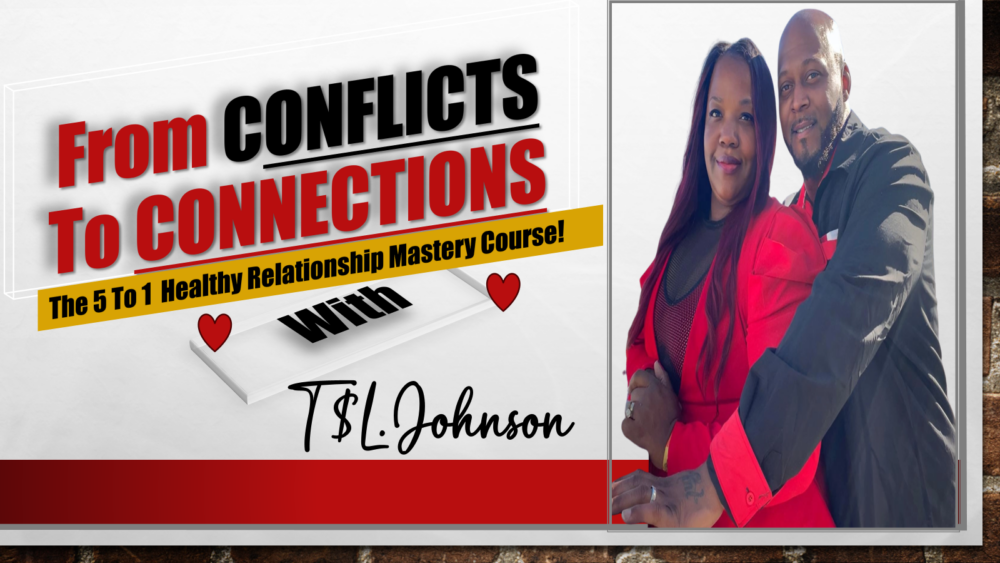
Hey there! Let me just say, communication in a relationship is like the glue that holds everything together. Trust me, I’ve learned a thing or two about it over the years. Today, I want to share some insights on how you can speak to your partner in a way that makes them feel completely safe and understood. We’ll break this down into five key areas – let’s dive right in!
Listen Actively
Focus Entirely on Them
When your partner is talking, it’s so important to give them your full attention. Put the phone away, turn off the TV, and just be present. This shows them that you genuinely value what they’re saying. You’d be amazed at how much this one simple act can strengthen your bond.
Active listening doesn’t just mean nodding along while your mind wanders. Engage with them by asking follow-up questions or reflecting what they’re saying back to them. For example, if they tell you about a tough day at work, repeating back their feelings shows you’re really paying attention.
Plus, when you focus on your partner, it encourages them to open up even more. They’ll feel more comfortable sharing their thoughts and feelings, knowing you’re not just hearing them but actually listening.
Validate Their Feelings
Everybody wants to be understood. When your partner shares their feelings, it’s crucial to acknowledge them—no matter how small they may seem to you. Validation doesn’t mean you have to agree; it just means you recognize their feelings as valid.
Try saying things like, “I understand why you feel that way.” This helps them know you’re in their corner. Even if you don’t fully get it, saying it out loud can help diffuse any tension.
Keep in mind, your partner isn’t always looking for a solution. Sometimes, they just want comfort and assurance that what they’re feeling is okay. By validating their emotions, you create a safe emotional environment where they can express themselves freely.
Avoid Interrupting
This one’s huge! Interrupting can be really damaging, even if you don’t mean it. It can make your partner feel like what they are saying isn’t important, which is the last thing you want. I’ve found that counting to three in my head before responding helps keep me in check.
If you find yourself tempted to jump in with a story or advice, take a breath and let them finish. You’ll probably find that their point holds more depth than you initially thought, and your response will be much more thoughtful.
By letting them finish their thoughts, you not only show respect but also gather all the context you need for a meaningful response. It also makes them feel safe knowing they can express everything that’s on their mind without being cut off.
Be Honest and Transparent
Share Your Own Feelings
Honesty is the foundation of a healthy relationship. Don’t be shy about sharing how you feel, even if it’s a little uncomfortable. I remember a time I was struggling with stress, and instead of bottling it in, I told my partner about it. It opened up the door for them to share what was on their mind as well.
Being vulnerable helps build intimacy. When you express your feelings openly, it encourages your partner to do the same. This mutual exchange is what fosters trust, making both of you feel emotionally safe.
Don’t underestimate the power of sharing. It’s like opening a window to your soul! When you show that you trust them enough to be honest, it paves the way for deeper connections.
Be Clear About Your Intentions
If you’re bringing something up, let your partner know why you’re discussing it. Are you looking for advice, or do you just need a sounding board? I’ve learned that being upfront about your intentions helps avoid confusion and misinterpretation.
When I first started addressing issues in my relationship, I didn’t always clarify why I was bringing them up and it led to misunderstandings. Now, I preface conversations like, “I just wanted to vent, but I’m not necessarily looking for solutions.” This sets the right tone from the get-go.
Clarity helps manage expectations and makes the conversation flow more naturally. Your partner will appreciate knowing what you need from them in that moment. They will feel more in control and more connected to you.
Be Open About Past Experiences
Our past experiences play a huge role in how we communicate and interact in relationships. If something triggers a reaction in you, it can really help to share that context with your partner. For instance, if you get anxious about certain topics, telling them why can ease any tension.
There’s no shame in sharing your history; it’s what makes you, you. By letting your partner in on your struggles or experiences, you foster an environment of understanding and empathy. I’ve found that sharing past hurts can sometimes even bring you closer because it creates empathy.
Always remember, it’s not about making excuses for your behavior but rather providing insight. This not only helps your partner understand you better but also encourages them to open up about their own experiences.
Use “I” Statements
Avoid Blame Language
When you use “you” statements, it can often sound accusatory. For instance, saying “You never listen to me!” puts your partner on the defensive, whereas saying “I feel unheard when our conversations get interrupted” is far more constructive. Learning to frame your feelings from your own perspective makes a big difference.
I’ve practiced using “I” statements, and it’s changed how my partner responds to my feelings. It helps create a space where they can be more receptive rather than defensive, allowing for more honest conversations.
So, the next time you feel frustrated, try to express how you feel rather than pointing fingers. This keeps the focus on the feelings instead of the person, leading to more understanding between you two.

Express Desires and Needs
Speaking from my own experience, it’s crucial to communicate what you want or need from your partner. For example, saying “I need some quality time together” is a much clearer request than simply hinting at your dissatisfaction. Openly asking for what you want doesn’t make you demanding – it shows you care about the relationship!
When you express your desires clearly, it sets a precedent for your partner to do the same. It turns into a give-and-take of needs, making the relationship feel much more balanced. Plus, when you ask for something with love, it’s hard to respond negatively.
Honesty about what you need fosters greater intimacy, and that’s what helps you both feel more secure in your relationship.
Reflect on Their Responses
After expressing yourself, take a moment to reflect on what your partner says. This means you should digest their feelings and responses without jumping to conclusions. Try saying, “It sounds like you’re feeling…” and then reiterate their thoughts. This shows you are truly taking their perspective into account.
Reflecting back can help reaffirm that you’re listening and trying to understand where they’re coming from. I can’t tell you how much it has enhanced my communication with my partner. It’s like a mini check-in that clears up any potential miscommunication right away!
Being proactive in processing their responses nurtures a much safer emotional space where both parties feel valued and respected. This helps solidify your connection and builds trust over time.
Be Empathetic
Try to Understand Their Perspective
Empathy is a game changer, let me tell you! When you take a moment to put yourself in your partner’s shoes, it opens up a whole new dialogue. I’ve had times where I thought I understood the situation, but once I really listened to their viewpoint, I realized how wrong I was.
Taking the time to ask open-ended questions can really help deepen your understanding. Questions like “How did that make you feel?” invite your partner to share more. This gives you a chance to connect with their emotions on a genuine level.
The more empathetic you are, the easier it is for your partner to share without fear of judgment. It’s about being familiar with their emotional landscape, which can create a sense of safety they need to express themselves fully.
Support Them in Vulnerable Moments
When your partner is feeling vulnerable, that’s your cue to be their rock. It’s a critical moment to reassure them that it’s okay to feel whatever they’re feeling. Sometimes just having someone there to listen can make a world of difference.
Maybe they’re going through a tough time at work or feeling insecure about something personal. Showing up in those moments isn’t just about having the right words; it’s about being present and emotionally available. I’ve learned that just saying, “I’m here for you” can mean everything in those times.
Offering that consistent emotional support reassures them that they can be vulnerable without fear of rejection, which is key in building a safe haven in your relationship.
Celebrate Their Achievements
Empathy isn’t just about comfort during tough times; it’s also about celebrating the good moments! When your partner achieves something or feels proud, be their biggest cheerleader. It helps create a joyful and safe atmosphere where they can continue to grow and share.
Celebrate their little wins, whether it’s a promotion at work, finishing a project, or something personal. They’ll appreciate knowing that you’re not just there during the hard times but are also excited about their successes and achievements.
This shared joy adds to the overall safety of your relationship, making it a loving environment that nurtures personal growth for both partners.
Wrapping It Up
So, there you have it! Speaking so your partner feels safe is all about being active in your communication, honest about your feelings, empathetic, and clear with your intentions. It may take time and practice, but trust me, the rewards are well worth it. Strong, safe communication builds lasting trust that can weather any storm.
Frequently Asked Questions
1. What are “I” statements and why are they important?
“I” statements help communicate feelings without placing blame. They keep the focus on your emotions and experiences, making it easier for your partner to understand your perspective without getting defensive.
2. How can I practice active listening?
Practice active listening by minimizing distractions, giving your full attention, and reflecting back what your partner says. This shows that you truly value their thoughts and opinions.
3. Why is empathy important in relationships?
Empathy fosters understanding and connection. It allows you to share emotional experiences and makes your partner feel supported and valued, which creates a safer relationship environment.
4. How can I ensure my partner feels safe to express their feelings?
Create a supportive space by practicing active listening, validating their emotions, and reassuring them that their feelings are important. Make it clear that their openness is welcomed without judgment.
5. What should I do if my partner feels unsafe during a conversation?
If your partner feels unsafe, pause and address their feelings immediately. Encourage openness and reassure them of your intent to listen and understand without any pressure to continue the conversation.

Schedule Your First 20-Minute Coaching
Call With Us Today to see if we fit . You pick the price!
Click Here