Understanding Conflict
The Nature of Conflict
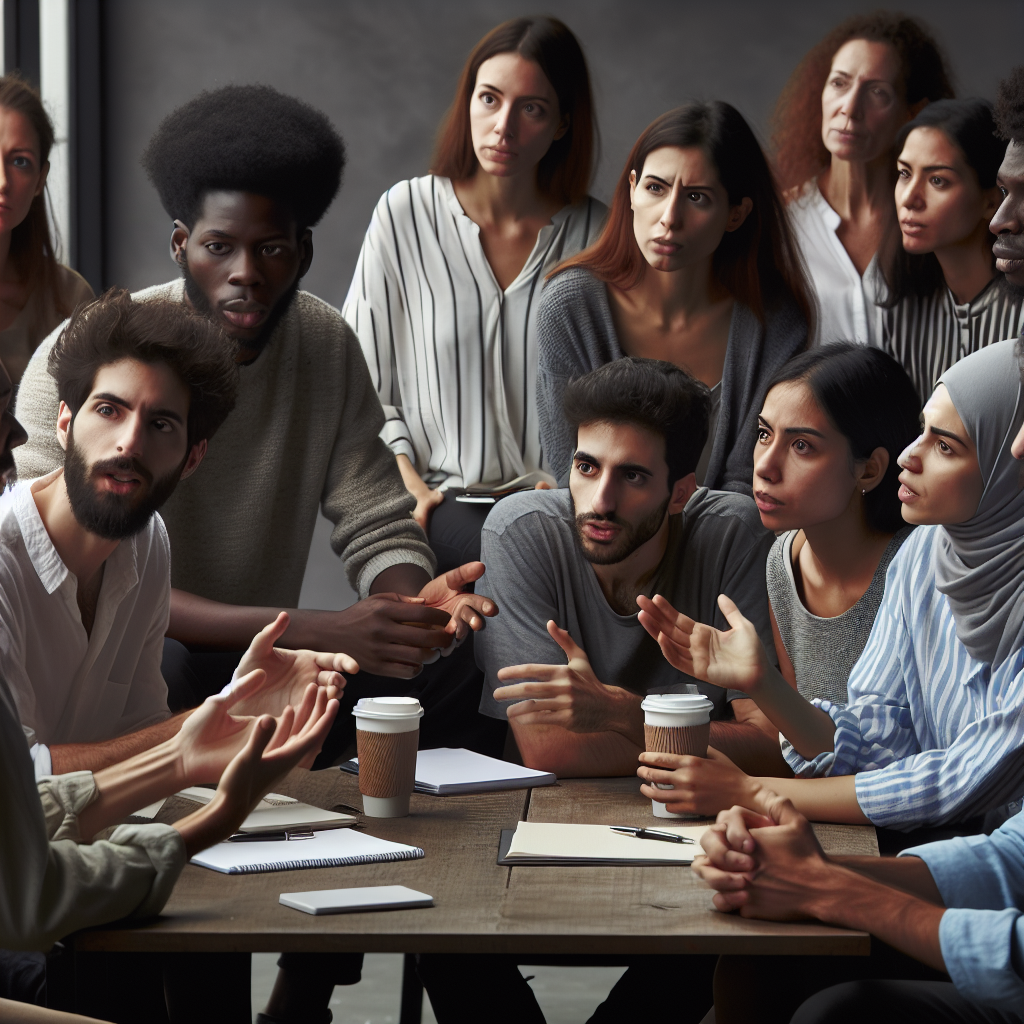
Conflict is part of life. I’ve experienced my share of disputes, whether they were with friends, family, or colleagues. It’s important to understand that conflict doesn’t always have to be a bad thing. In fact, it provides an opportunity for growth, self-discovery, and deeper connections. The key lies in how we manage and perceive it. Healthy conflict can lead to resolution and understanding, while toxic conflict can breed resentment and anger.
I’ve found that shifting my perspective on conflict can change everything. Instead of dreading disagreements, I now see them as a chance to learn about others and myself. When tackled with an open mind, conflicts can be constructive rather than destructive.
In my experience, recognizing the nature of the conflict—whether healthy or toxic—can create a more peaceful environment and foster stronger relationships. It’s crucial to stay mindful and reflect on what’s happening beneath the surface during these times.
Recognizing Your Emotions
Emotions can be a fiery catalyst in conflict situations. I’ve learned from past experiences that understanding my emotions is foundational for navigating disputes. When I feel anger or frustration bubbling up, it’s essential to take a step back and analyze why I feel that way. This involves tuning into both my emotional responses and physical cues.
Acknowledging my feelings helps me avoid knee-jerk reactions that can escalate a conflict. Instead of lashing out, I focus on articulating my feelings clearly. This includes letting others know that I’m upset and why, which often helps in clearing misunderstandings.
To better manage my emotions during conflict, I practice mindfulness techniques, like deep breathing. It’s amazing how a few moments of calm can change the tone of a conversation. When I remain composed, I’m far more capable of navigating through disputes without letting emotions get the best of me.
Intentions and Perspectives
One thing I’ve found really helps in distinguishing between healthy and toxic conflict is understanding the intentions behind the actions of myself and others. Often in heated moments, our intentions can be lost. I’ve been in arguments where I was convinced that the other person was attacking me, only to find out later that they were just trying to express a different point of view.
Learning to listen actively has been a game-changer for me. When I really try to understand where someone is coming from, I can better approach the situation with empathy. This doesn’t mean I agree with everything, but it allows me to respond thoughtfully rather than react impulsively.
I also encourage others to share their perspectives in a non-confrontative manner. Using “I feel” statements instead of “you always” can lessen defensiveness and open dialogue. Genuine communication and clarity can often diffuse tensions and lead to resolution.
Communication Styles
Open versus Closed Communication
The way we communicate during conflicts can make all the difference. I’ve noticed that open communication tends to lead to healthier resolutions. Being transparent and expressing feelings without holding back can pave the way for crucial understandings. When I open up, people are often more willing to listen.
Conversely, closed communication can escalate tensions. I’ve had moments where I’ve clammed up or responded with sarcasm, thinking it would protect me, but it only made things worse. Just being honest about my feelings sets the tone for a better conversation.
Practicing active listening has become a priority for me. I remind myself that the goal is not to win but to understand one another. This helps transform the atmosphere of conflict from adversarial to collaborative, which ultimately fosters healthier dynamics.
The Impact of Tone and Body Language
Sometimes, it’s not what’s being said but how it’s being said that affects conflict dynamics. I can recall instances where my tone may have sounded harsher than intended, which led the other person to feel attacked. I now pay close attention to both my body language and vocal tone during discussions.
Open and welcoming body language encourages positive dialogue. When I lean in, maintain eye contact, and use a calm tone, it shows that I’m genuinely interested in what the other person has to say. This often de-escalates tensions and invites openness.
On the flip side, crossing my arms and sounding defensive can easily signal that I’m not open to hearing the other person out. I’ve learned to catch myself in these moments and recalibrate my approach to foster a more receptive environment.
Resolution Strategies
Finding Common Ground
Through my experience, I’ve realized that seeking common ground is vital in resolving conflicts. Even in disagreements, there’s usually a mutual interest beneath the surface. I ask myself, “What do we both want?” Identifying shared goals can be an effective starting point.
Transform Your Conflicts Into Connections
We’re often more alike than we think. Whenever I’ve taken the time to express common interests, it opens a door to collaboration. We start working towards a shared solution, rather than staying entrenched in opposition.
This approach can transform adversarial conversations into constructive problem-solving sessions and can help maintain healthy relationships, even after a disagreement.
Compromise versus Collaboration
In some situations, compromise is essential, but I’ve learned that striving for collaboration is even better. Compromise often means giving a little to get a little, which can lead to lingering resentment. I’ve found that sitting down together and brainstorming solutions that satisfy both parties produces far better results.
In collaborative efforts, both parties retain ownership of the solution. This kind of teamwork fosters respect and understanding. I encourage others to engage in collaborative discussions that focus on solutions rather than problems.
I’ve been amazed at how working together can strengthen relationships. When both parties feel seen and valued, it lays the groundwork for a healthy partnership moving forward.
Support Systems
Seeking External Help
Sometimes conflicts can be challenging to navigate on our own, and that’s okay. I’ve found that seeking external help, whether it’s from a mediator or counselor, can provide much-needed perspective. Asking for help doesn’t mean you’re weak—it shows a commitment to resolving issues responsibly.
Having a neutral party facilitates a more balanced environment to air grievances and share feelings. It can also break down communication barriers that might be hard to bypass while in the heat of conflict.
I encourage friends to consider this option if they find themselves stuck. The guidance of a professional can make a world of difference in fostering healthy conflict resolution.
Building Healthy Relationships
Ultimately, building healthy relationships should be the goal of any conflict resolution journey. I always keep in mind that relationships take work and require nurturing. Taking time to strengthen bonds outside of conflict can make it easier to navigate disagreements when they arise.
Engaging in regular sit-downs or check-ins can create a safe space for open communication, making it easier to address minor issues before they escalate into bigger conflicts. I make it a point to check in with loved ones, ensuring that we remain connected.
Fostering relationships grounded in trust and understanding goes a long way in maintaining a harmonious atmosphere, even when conflicts arise.
FAQs
What is the main difference between healthy and toxic conflict?
The key difference is how the conflict is managed and communicated. Healthy conflict focuses on resolution and understanding, whereas toxic conflict leads to resentment and hurt feelings.
How can I improve my communication during conflicts?
Practice active listening, use clear language, and maintain open body language and a calm tone. Showing empathy toward the other person’s feelings can significantly improve interactions.
What should I do if conflict escalates?
If a conflict escalates, consider calming down and revisiting the conversation later. If necessary, involve a neutral third party to help mediate the disagreement.
How can I identify my emotions during conflict?
Take a moment to assess your feelings. Ask yourself why you feel a certain way and consider the physical responses within your body. Mindfulness techniques can help track and manage your emotions.
Is it okay to seek help for conflict resolution?
Absolutely! Seeking help from a mediator or counselor is a wise step when conflicts become complex or difficult to manage. It shows commitment and desire for healthier relationships.

Schedule Your First 20-Minute Coaching
Call With Us Today to see if we fit . You pick the price!
Click Here