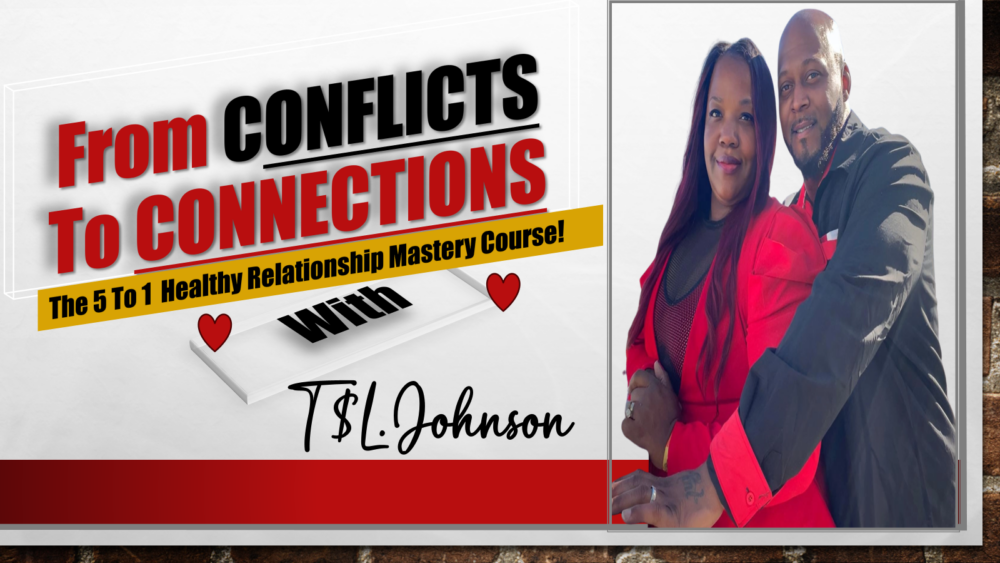
Understanding Your Emotions
Self-Awareness
One of the cornerstone elements of relational intelligence is self-awareness. It’s like having a mirror that reflects not only how you feel but also how your feelings impact those around you. When I take the time to understand my emotional responses, it helps me navigate my interactions more mindfully. I often ask myself, “What triggered this reaction? Why do I feel this way?” It’s kind of like having an emotional GPS that guides me through my relationships.
Practicing self-awareness is not always easy. Sometimes, I find myself caught up in the whirlwind of emotions, not knowing where to turn. When that happens, I take a step back. Reflecting through journaling has been a game-changer for me. It’s amazing how putting pen to paper clears the fog and helps me pinpoint my feelings.
In social situations, being self-aware allows me to evaluate my behavior. Am I projecting my frustrations unintentionally? I’ve realized that when I communicate from a place of understanding rather than just reaction, my relationships flourish. It’s like watering a plant; the more I nurture my awareness, the stronger my connections become.
Empathy in Action
Walking in Someone Else’s Shoes
Empathy is literally the superpower in relational intelligence. I often think about how I feel when I experience challenges, and that helps me respond to others with kindness. Let’s be real; everyone’s going through something. So when I pause and consider someone’s perspective, the world seems a little brighter and the relationships I build become deeper.
I actively practice empathy, especially in crucial conversations. For example, when a colleague shares their frustrations, I resist the urge to jump in with my own story. Instead, I listen. Sometimes, just being there to hear someone out can turn their day around. I’ve seen it happen; the tiniest act can create enormous ripples in a person’s emotional state.
Also, engaging in empathetic communication has made me more approachable. People often feel safer expressing their feelings around me, which nurtures trust. When we tap into empathy, we build connections that not only withstand the test of time but also enrich our lives as a whole.
The Power of Active Listening
Listening Beyond Words
This is one of the most powerful skills I’ve cultivated—active listening. It’s not just about hearing words; it’s about understanding the message behind them. When I’m truly present while someone else is speaking, I absorb their energy and emotions. It’s fascinating how engaging fully can change the dynamic of a conversation.
To practice active listening, I often focus on non-verbal cues as much as the spoken words. Eye contact, gestures, and tone of voice tell a story that words sometimes can’t capture. I try to mirror those cues subtly to let the speaker know I’m all in. This simple gesture creates an intimate space for open dialogue.
Moreover, I’ve found that asking clarifying questions helps both me and the speaker. It’s like ensuring we’re both on the same page. “What do you mean by that?” or “Can you elaborate on how that made you feel?” These inquiries not only deepen the conversation but also solidify the bond of understanding.
Building Trust and Authenticity
The Importance of Honesty
Trust is the foundation of any strong relationship. I constantly work on being authentic and honest in my interactions. It’s about laying everything on the table, even when it gets uncomfortable. I’ve learned that being real opens the door for vulnerability, and that is how trust is built.

Transform Your Conflicts Into Connections
In my experience, when I admit my faults or uncertainties, it encourages others to do the same. There’s something incredibly powerful about saying, “I don’t have it all figured out.” This kind of honesty transforms superficial chats into meaningful exchanges.
Additionally, consistency is key in building trust. Making promises and keeping them (even the small ones) creates a sense of reliability. I always strive to be someone others can count on. It’s how I nurture and maintain genuine relationships throughout my life.
Maintaining Healthy Boundaries
The Balance of Give and Take
Boundaries are essential, and I can’t stress this enough! They protect our well-being and enhance our relationships. I’ve found that knowing when to say “no” and when to say “yes” is a fine art. Life is all about balance, and without healthy boundaries, it’s easy to spread myself too thin.
When I set boundaries, I feel empowered, not selfish. It creates a space where I can engage without burning out. For instance, if I’m feeling overwhelmed, I’ll communicate that rather than pushing through. It might momentarily hinder productivity, but it has long-term benefits for my mental health and my connections.
Moreover, teaching people how to treat me has been a revelation. I’ve learned to advocate for my needs while respecting others’. When both parties understand and acknowledge boundaries, it’s like a dance—smooth and harmonious. And trust me, that kind of harmony is worth striving for!
Frequently Asked Questions
1. What is relational intelligence?
Relational intelligence is the ability to understand and manage your own emotions while also effectively relating to and understanding others’ feelings. It encompasses empathy, communication, and the ability to nurture relationships.
2. Why is self-awareness important in relationships?
Self-awareness helps you understand your emotional triggers and responses, allowing you to engage more mindfully with others. It helps prevent misunderstandings and fosters clearer communication.
3. How can I practice empathy daily?
You can practice empathy by actively listening to others, trying to understand their perspectives, and being open to their feelings. Simple gestures like asking how they feel and genuinely caring can go a long way.
4. What role does active listening play in relational intelligence?
Active listening is crucial because it helps you truly absorb what others are saying. It involves focusing fully on the speaker, understanding their message, and responding thoughtfully, which strengthens relationships.
5. How do boundaries impact relationships?
Healthy boundaries protect your well-being while also respecting the needs of others. They help maintain a balanced give-and-take dynamic, ensuring that relationships are healthy and sustainable.

Schedule Your First 20-Minute Coaching
Call With Us Today to see if we fit . You pick the price!
Click Here