Listen Actively
Engage with Empathy
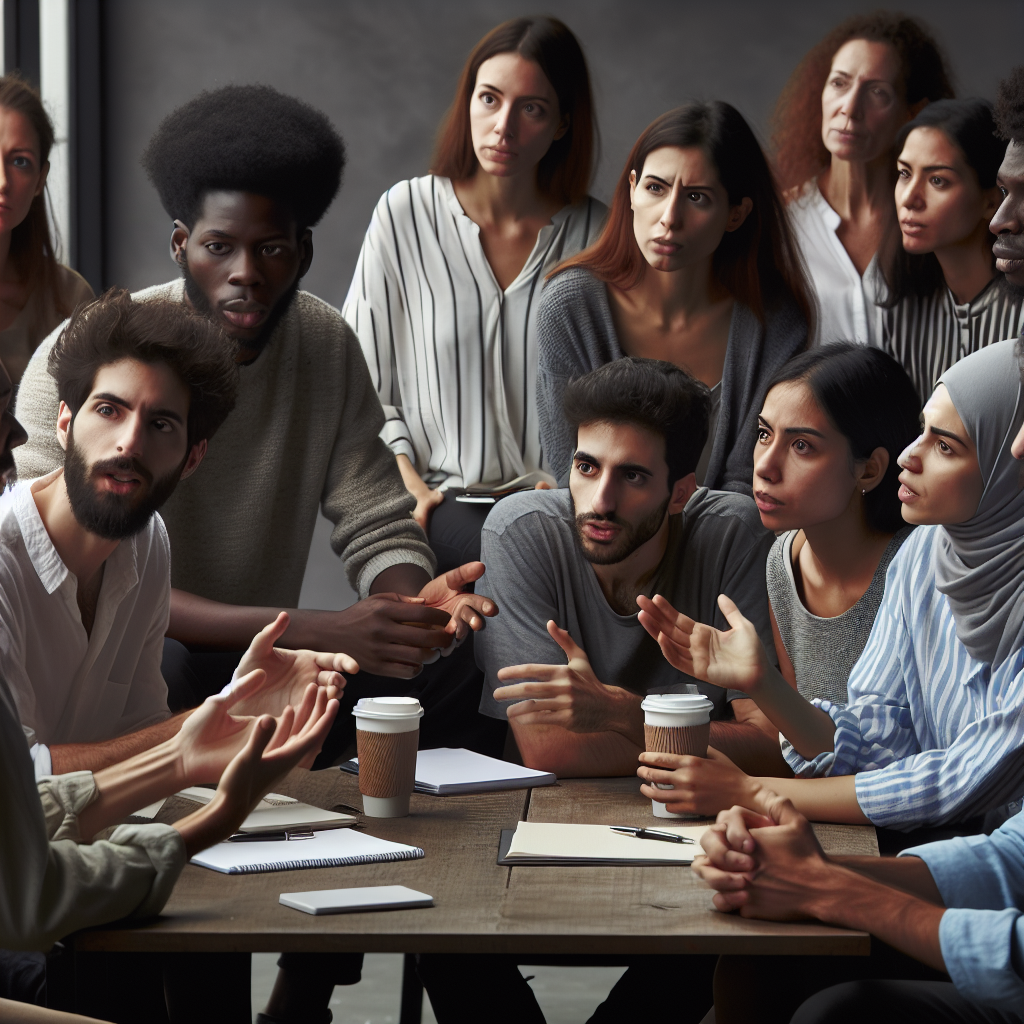
When you’re in a disagreement, it’s easy to start thinking of your response instead of really hearing what the other person is saying. I’ve been there! Practicing active listening means putting aside your own thoughts for a moment and focusing on the other person. This can help you understand their perspective better.
You can show empathy by nodding, using affirming phrases like “I see what you mean,” and refraining from interrupting. It not only makes the other person feel valued, but it can also help you pick up on key points that you might have missed otherwise.
There’s a magic in truly listening; it opens avenues for conversation that allow for more respectful exchanges even in heated moments. So, remind yourself to listen first and talk later, and you might just learn something!
Ask Clarifying Questions
Asking questions is a great way to engage during a disagreement and show that you’re interested in understanding the other person’s viewpoint. Oftentimes, when conflicts arise, it’s because people are working with assumptions that may not hold true.
When I find myself in a tough conversation, I like to ask questions like, “Can you explain that a little more?” or “What led you to feel that way?” This not only helps clarify their position but also demonstrates that you respect their thoughts enough to seek further understanding.
Inquiring more deeply creates a space where both sides can explore the matter at hand, often leading to an “Aha!” moment for one or both parties involved.
Reflect Before Responding
One of the biggest challenges during disagreements is the urge to react immediately. Trust me; I’ve had those knee-jerk responses that I later regretted! Taking a brief moment to reflect before responding can really help you communicate with more respect.
Pause for a second, collect your thoughts, and think about how your words might be received. This simple act can shift the tone from combative to constructive. It’s like hitting the ‘reset’ button on the conversation.
By slowing down, I’ve noticed that it becomes easier to frame my responses in a way that promotes dialogue rather than debate, making the disagreement feel more like a conversation than a fight.
Find Common Ground
Identify Shared Values
Even when you disagree, there’s almost always something you both care about deeply. I’ve found that when I look for shared values, it paves the way for a more respectful conversation. Whether it be a mutual love for family, career goals, or community, recognizing these commonalities can work wonders.
For instance, if you’re discussing a work-related difference, acknowledging your common goal of wanting the project to succeed can help you both feel like teammates rather than adversaries.
When both parties feel validated in their shared goals, it’s much easier to navigate the disagreement with respect and dignity.
Focus on Solutions
Nothing kills a disagreement like getting stuck on the problem without thinking ahead. When I’m in a disagreement, I try to shift the focus onto finding a solution. It transforms the energy from being defensive to being proactive!
Try saying something like, “I understand we disagree, but how can we move forward?” This kind of mentality encourages collaboration rather than division, making it easier to maintain a respectful dialogue.
When both sides are working together towards a common solution, it defuses tension and fosters an atmosphere where disagreement is just a part of a larger teamwork experience.
Celebrate Differences
This might sound a bit cheesy, but seeing differences as strengths can really help maintain respect during disagreements. I’ve learned to appreciate that diverse perspectives often yield innovative solutions. Instead of seeing our different opinions as battles to win, I try to view them as unique contributions to the conversation.
When I remind myself that each opinion adds depth to the discussion, it’s easier to approach the topic with curiosity rather than resistance. It’s almost like turning a potential argument into a friendly debate—how refreshing!
By embracing these differences, we create an environment that feels more like collaboration rather than conflict, making it respectful even when opinions clash.
Use “I” Statements
Express Personal Feelings
Using “I” statements instead of “you” statements can change the atmosphere of a disagreement pretty instantly. Instead of saying “You always interrupt me,” I might say, “I feel overlooked when I’m interrupted.” It’s a way to convey how an action affects you personally, allowing space for the other party to respond less defensively.
It’s totally natural to feel triggered during disagreements, but framing our feelings through “I” statements creates opportunities for deeper connection rather than blind confrontation.
This shift has transformed many of my conversations from argumentative to mind-opening—almost like creating an emotional bridge instead of building a wall.
Transform Your Conflicts Into Connections
Avoid Blame Language
When disagreements start to heat up, it can be challenging to avoid using blame language. I get it; there’s a natural human instinct to point fingers. However, I’ve found that moving away from blame fosters respect. Instead of saying, “You did this wrong,” I aim for statements like, “This situation didn’t go as planned.”
This change in how we communicate encourages cooperation rather than antagonism. The goal here is to focus on resolving the issue instead of labeling someone as the “bad guy.”
By letting go of blame, we can engage in disagreements that feel much more like a dialogue focused on resolution rather than a battlefield.
Maintain a Calm Tone
The tone of voice often matters just as much as the words we choose! I know it’s easier said than done, but maintaining a calm and soothing tone can significantly impact the interaction. When voices rise, tensions escalate—the focus shifts from resolving issues to just getting louder.
When I consciously monitor my tone during disagreements, I find that I can express my thoughts without igniting further conflict. Speaking calmly not only helps convey respect but also invites the other person to respond in kind.
It’s all about creating an atmosphere where both sides feel heard and respected so that whether you agree or not, the conversation leaves both sides feeling valued.
Know When to Agree to Disagree
Recognizing Limitations
Sometimes, despite our best efforts, we may not come to an agreement, and that’s perfectly okay! I’ve come to realize the importance of recognizing when to agree to disagree. It’s vital to understand our limits—everyone has their own beliefs and values that shape their opinions.
Accepting that not every disagreement will end in resolution can save both parties a lot of heartache. Rather than trying to force a consensus, I’ve learned it’s sometimes better to step back and recognize that difference is a part of healthy relationships.
By understanding limitations, we foster a shared respect that acknowledges our differences while valuing our relationship above all else.
Parting on Good Terms
How we wrap up a disagreement matters just as much as how we handle it in the heat of the moment. When I sense we’re going in circles, I might say, “Let’s take some time to think about this and revisit it later.” This gives both parties space to reflect, which is often needed in heated situations.
You can part ways graciously by appreciating the other person’s willingness to engage and expressing that though you may not have seen eye-to-eye, you value their position. This leaves the door open for future discussions.
Taking this approach invites respect to flourish over time, and it reinforces the notion that disagreements don’t have to lead to the deterioration of relationships.
Fostering a Culture of Respect
Ultimately, if you find yourself stuck on something, remember that leaving it unresolved doesn’t diminish respect. You can create a culture around understanding that respects both parties’ opinions. In my experience, focusing on respect transforms any engagement into a learning experience.
When I emphasize respect in my interactions, it encourages openness and understanding which naturally fosters healthier discussions. After all, those differences can lead us to unexpected places—places of growth and friendships!
By cultivating an environment of respect, I’ve found that even the toughest disagreements can turn into meaningful conversations that elevate both parties involved. And that, my friends, is a beautiful thing!
FAQ
1. Why is active listening important during disagreements?
Active listening is crucial as it allows you to truly understand the other person’s perspective, which can lead to a more respectful and productive conversation.
2. How can “I” statements improve communication?
“I” statements help express your feelings without sounding accusatory. This fosters a more open dialogue and reduces defensiveness.
3. What does it mean to celebrate differences?
Celebrating differences means appreciating unique perspectives as strengths rather than seeing them as obstacles, leading to healthier and more respectful conversations.
4. How can I maintain a calm tone during a heated discussion?
Taking deep breaths, being conscious of your vocal tone, and deliberately speaking slowly can help keep your tone calm, even when discussions get intense.
5. Is it okay if we don’t come to an agreement?
Absolutely! Knowing when to agree to disagree is important. It shows mutual respect for each other’s viewpoints while keeping the relationship intact.
Schedule Your First 20-Minute Coaching
Call With Us Today to see if we fit . You pick the price!
Click Here