
Understanding Active Empathy
What is Active Empathy?
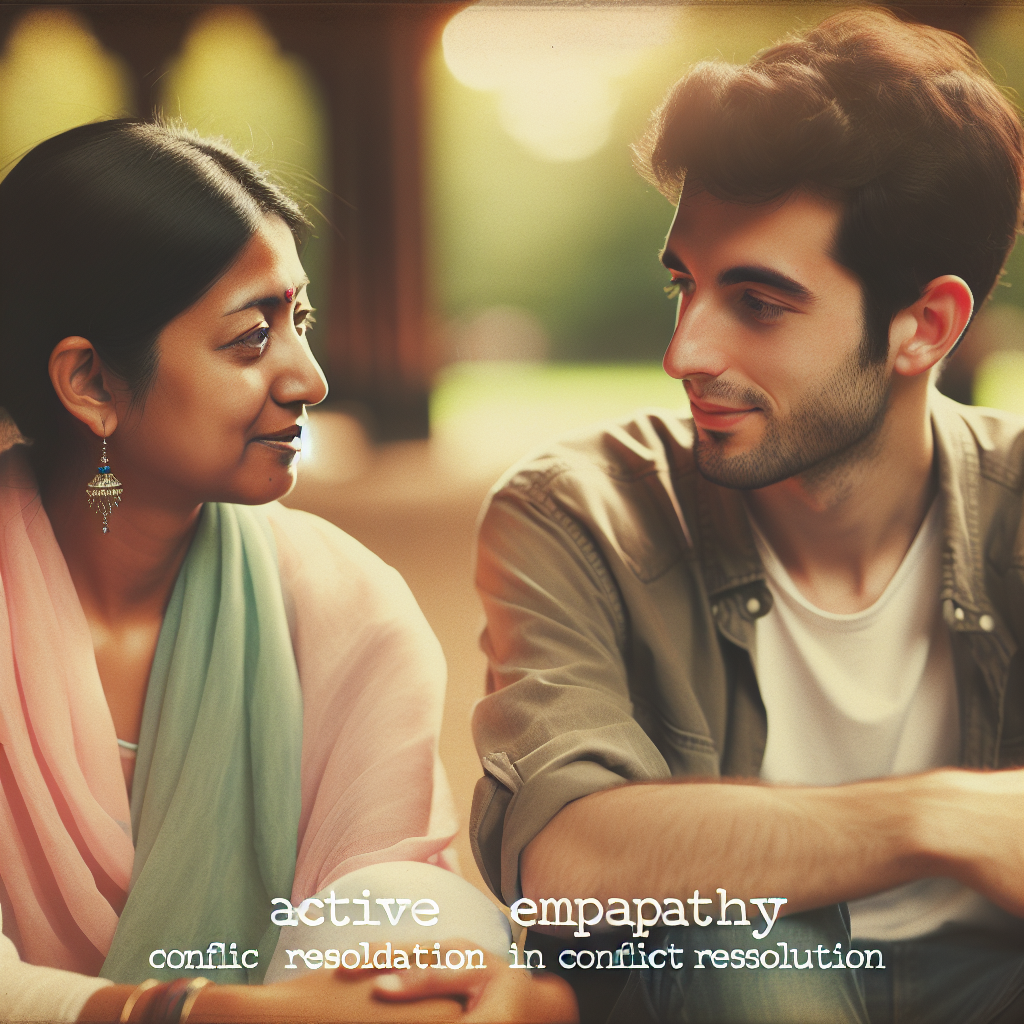
Active empathy is more than just feeling sorry for someone; it’s about putting yourself in their shoes. When we’re in conflict, it’s easy to get wrapped up in our perspective and miss how the other person feels. By practicing active empathy, we create space to genuinely understand the other side. I remember the first time I realized its importance during a heated team discussion. I decided to listen rather than talk, which changed the whole atmosphere.
This practice goes beyond just listening; it’s about engaging with their emotions. When I focus on the other person’s feelings, I notice things I might have overlooked. Their tone, body language, and even the words they choose can give me insight into what’s really bothering them. And trust me, this deep understanding can diffuse a lot of tension.
One of the most fascinating things about active empathy is how it transforms relationships. When people feel heard, they’re more likely to be open and honest. I’ve seen this play out in many situations – when my colleagues know I’m genuinely trying to understand them, our conflicts become more about solutions rather than battles.
Practicing Mindful Listening
The Art of Attention
Mindful listening is key to conflict resolution. This means giving someone your full attention, without distractions. The first time I really engaged in mindful listening was during a disagreement with a friend. Instead of checking my phone or thinking of my rebuttal, I focused solely on their words. It was a game-changer.
When you listen mindfully, you pick up on nuances that might otherwise be missed. I found that pausing before I respond to digest what the other person has shared often led to more meaningful conversations. Plus, it shows them that I value their thoughts and feelings, fostering a stronger connection.
In practice, I’ve created little habits to help me listen better. For example, maintaining eye contact and nodding encourages them to keep sharing while also helping me stay engaged. The more I listen actively, the more I realize how often we assume rather than understand in conflicts.
Validating Emotions
Why Validation Matters
Validation is a powerful concept. It involves acknowledging the other person’s feelings and showing that they matter. I once had a colleague who was upset about a project mishap. I simply listened and said, “I can see how frustrating this is for you.” That tiny acknowledgment made a big difference.
When we validate emotions, we help create a safe space for dialogue. It’s incredible how just acknowledging someone’s feelings can shift a conversation from defensive to collaborative. In my personal experience, validation has often led to more constructive outcomes when tensions run high.
Remember, validating someone’s emotions doesn’t mean you have to agree with them. I often find that even when I disagree, a simple, “I understand where you’re coming from,” can go a long way in easing conflicts. This approach allows the other person to feel respected and heard.
Asking Open-Ended Questions
Encouraging Deeper Understanding
One of my favorite techniques in conflict resolution is asking open-ended questions. These questions do not just require a yes or no; they encourage the other person to express themselves more fully. I’ve found that when I ask, “What led you to feel this way?” it opens the door for deeper insights.

Transform Your Conflicts Into Connections
Open-ended questions can shift the focus from blame to problem-solving. Instead of saying, “Why do you think that?” I ask, “What do you think we can do to address this?” This collaborative mindset helps in finding common ground. It’s about fostering dialogue rather than debate.
Over time, I’ve noticed that my conversations have transformed. Instead of getting defensive, people get curious and engaged. It’s like flipping a switch – from combativeness to collaboration – and it feels fantastic on both sides. That’s the magic of nurturing active empathy along the way.
Finding Common Ground
Identifying Shared Interests
In any conflict, recognizing shared interests can be incredibly helpful. For instance, during a disagreement on project direction, I focused on our common goal: success! By reminding ourselves of what we both wanted, the conversation became less about our differences and more about collaboration.
Finding common ground can also foster a spirit of partnership. I always like to say, “We can find a solution that works for both of us.” This approach works wonders in defusing defensive reactions, as we shift to thinking collectively rather than oppositional. I recall using this tactic during a tough negotiation, and it turned out beautifully!
At the end of the day, it’s about uniting rather than dividing. When both sides acknowledge they want to resolve the conflict, finding a solution becomes easier. I’ve celebrated numerous conflicts turning into productive collaborations by simply focusing on what we could achieve together.
FAQ
1. What is active empathy?
Active empathy is the practice of deeply understanding and relating to another person’s feelings and perspective, especially during conflicts, enabling more meaningful and effective communication.
2. How important is mindful listening in conflict resolution?
Mindful listening is crucial as it ensures that you fully understand the other person’s viewpoint, which can significantly help in resolving misunderstandings and reducing tension.
3. What does it mean to validate someone’s emotions?
Validating someone’s emotions involves acknowledging their feelings, letting them know that their emotions are heard and respected, even if you don’t necessarily agree with their perspective.
4. How do open-ended questions help in conflict situations?
Open-ended questions promote deeper conversations by encouraging the other person to express their thoughts and feelings fully, which can lead to greater understanding and resolution.
5. Why is finding common ground important?
Finding common ground helps shift the focus from opposing viewpoints to shared goals, fostering collaboration and making it easier to work towards a resolution that satisfies both parties.


Schedule Your First 20-Minute Coaching
Call With Us Today to see if we fit . You pick the price!
Click Here