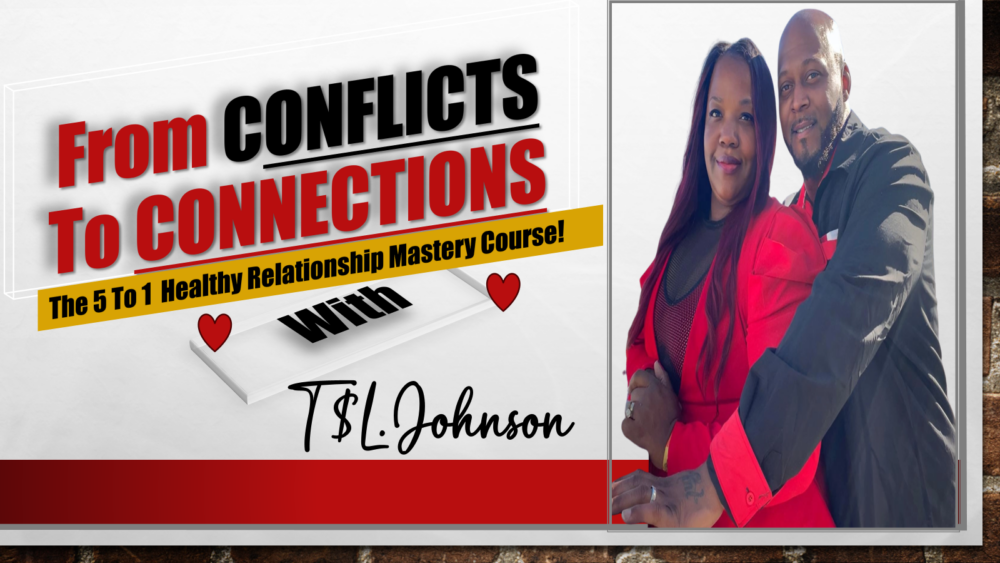
Understanding the Conflict
What is Conflict?
Conflict is a natural part of any relationship, whether it’s with friends, family, or coworkers. It’s not always a bad thing, though. In fact, it often arises when two people hold strong beliefs or values. Acknowledging that conflict exists can be the first step towards resolving it.
I’ve been tangled up in conflicts where both parties felt completely justified, and it’s frustrating! To navigate these rough waters, we first need to understand what’s at stake and why we might be clashing. It’s all about the emotions behind the disagreement.
Taking the time to dissect the roots of your conflict can help you see where each person is coming from. By recognizing the underlying feelings and motivations, we can start working towards a resolution together.
Why Do We Both Feel Right?
One of the trickiest parts of conflict is that both sides often feel completely justified in their viewpoints. This can lead to a stalemate, where neither person is willing to budge. I’ve seen this happen so many times, and it can be really discouraging!
Each person often holds a piece of the truth, shaped by their experiences and perspectives. By recognizing this, you can approach the conflict with an open mind, ready to explore rather than defend your position. This mindset shift is crucial.
Remember, it’s not just about proving who’s right. It’s about understanding why you both feel invested in your positions. This understanding can foster empathy, which is essential for resolving disputes amicably.
Setting the Stage for Resolution
Before diving headfirst into resolving the issue, it’s super important to create a conducive environment for discussion. I’ve discovered that setting the right mood can make all the difference. Find a quiet place where you both feel comfortable. Maybe grab some coffee or even go for a walk if the weather’s nice!
This is also a good time to approach each other with respect and a willingness to listen. I like to remind myself that we’re on the same team, even when it doesn’t feel that way. Establishing a mutual goal—like finding a solution—can set the tone for a collaborative conversation.
Additionally, make sure to agree on some ground rules for the discussion. This might involve things like no interruptions or keeping your voices calm. It may sound simple, but these guidelines make a world of difference in staying focused and productive.
Listening Actively
The Art of Listening
Active listening is not just about hearing the words, but truly understanding the feelings behind them. I can’t stress enough how important this skill is when handling conflicts. When I genuinely listen to the other person, it helps create a bridge of understanding that we can both stand on.
Try repeating back what the other person has said, using phrases like, “What I’m hearing you say is…” This shows that you are engaged and validates their feelings. I’ve found that this practice often diffuses tension and allows for more open discourse.
It’s also essential to clarify anything that feels left out. If something isn’t clear, ask questions. This not only ensures you fully comprehend their position but also signals that you care about their perspective.
Acknowledging Feelings
Once you’ve really listened, it’s time to acknowledge the feelings involved. People often get wrapped up in their arguments that the emotional aspect falls by the wayside. From my experience, acknowledging emotions can be the turning point towards resolution.
Don’t shy away from expressing empathy. Phrases like, “I can see why you’d feel that way,” can work wonders. This lets the other person know you get it. It doesn’t mean you have to agree; it simply shows that you’re recognizing and validating their emotions.
By doing this, you open the door to a more constructive dialogue. It invites the other person to reciprocate, leading to a deeper understanding of each other’s perspectives.
Creating a Collaborative Solution
Now that both parties have shared their viewpoints and feelings, it’s time to brainstorm solutions together. This is where the magic happens! Finding a mutually beneficial solution can transform a conflict into an opportunity for growth.
Transform Your Conflicts Into Connections
Don’t rush this part. Take your time discussing various options, weighing the pros and cons of each. My favorite method is to write it out together. It keeps everything organized and visual, which is really helpful when brainstorming.
Remember, compromise is key. It’s rare that one person gets 100% of what they want, and that’s okay! I’ve learned that a little give and take often leads to deeper understanding and respect, making the resolution stronger and more lasting.
Following Up
Checking In Post-Conflict
After the dust settles, it’s wise to follow up. It may feel tempting to just move on, but taking a moment to check in can really solidify the resolution and strengthen your relationship. From my perspective, this is often overlooked but crucial!
Simple gestures like asking, “How do you feel about the resolution now?” can be insightful and allow for any lingering feelings to surface. This helps to ensure everyone is still on the same page, which is key for maintaining progress.
This follow-up also shows that you genuinely care about the other person and the relationship. It reinforces that you’re committed to keeping the lines of communication open in the future, which is great for conflict prevention down the road.
Learning from the Experience
Every conflict can teach us something valuable. Reflecting on what happened and understanding how both sides can grow from it is essential. Take some time after the resolution to think about what worked and what didn’t when navigating your disagreement.
This reflection can help you and the other person develop better strategies for handling future conflicts. I always try to jot down notes about what techniques worked for me, so I have a plan ready if we ever find ourselves in the trenches again.
Moreover, encouraging this reflection process can lead to more proactive discussions between you both, improving communication and understanding in your relationship over time.
Preventing Future Conflicts
Lastly, putting systems in place to prevent future conflicts can be super helpful. This might mean establishing clearer communication strategies or finding ways to express feelings before they escalate. I’ve learned that a strong line of communication goes a long way in maintaining harmony.
Regularly checking in on each other, both about personal feelings and the status of your relationship can take a lot of pressure off. This makes it easier for both parties to feel comfortable discussing tensions before they escalate into a full-blown conflict.
Prevention really is the best medicine! The more you work on understanding each other and nurturing your relationship, the less likely you’ll find yourselves in conflict. And that’s a win-win!
FAQ
Q1: What should I do if my partner refuses to communicate?
A1: If your partner isn’t ready to communicate, be patient. Give them time and space. You might try expressing how important the conversation is to you and suggest a specific time to revisit the topic.
Q2: How can I avoid becoming defensive during a conflict?
A2: It’s important to remember that the goal is to understand each other, not to win the argument. Practice deep breathing and remind yourself to listen actively rather than preparing your response while they speak.
Q3: How do I know when to walk away from a conflict?
A3: If emotions are running high and constructive conversation feels impossible, it’s perfectly fine to take a break. Agree on a time to revisit the issue later when both of you have had a chance to cool down.
Q4: What if I feel my feelings are being dismissed?
A4: Speak up! It’s important for both sides to feel heard. Let your partner know how their responses make you feel, and encourage them to also share their perspective.
Q5: Are conflicts healthy for relationships?
A5: Absolutely! When handled well, conflicts can promote growth, understanding, and intimacy between partners. They allow for the exploration of different viewpoints, which can strengthen the bond.

Schedule Your First 20-Minute Coaching
Call With Us Today to see if we fit . You pick the price!
Click Here