
1. Acknowledge the Conflict
Understanding the Reality of Conflict
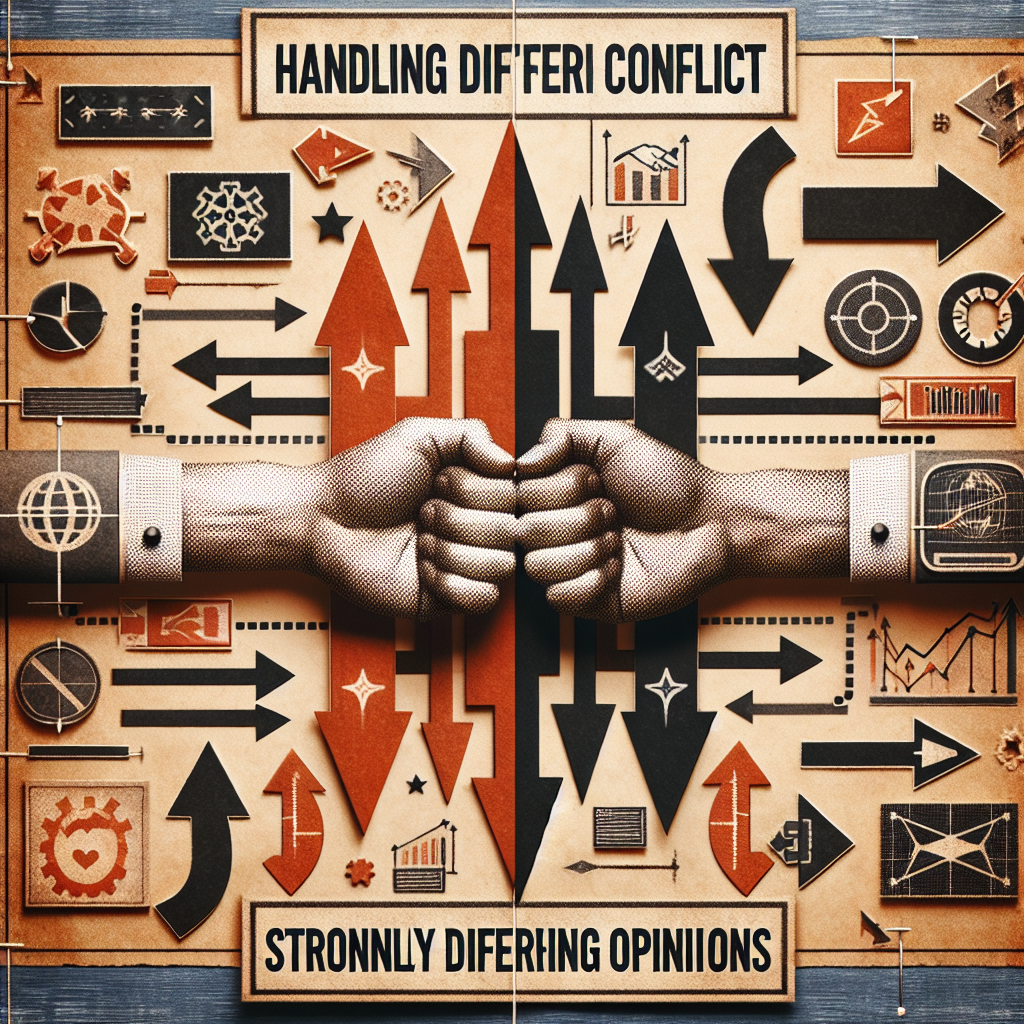
When strong opinions clash, the first thing I’ve learned is that it’s crucial to acknowledge the conflict itself. Ignoring it only breeds resentment and misunderstandings. I remember a time when I thought I could just let things slide, but, believe me, it only made the situation worse. It’s like walking on eggshells.
Admitting that there’s a disagreement is the first step towards resolution. Once you acknowledge it, you create space for open dialogue. This is your opportunity to express your feelings and ask the other person to share theirs. As uncomfortable as this may feel, trust me when I say it’s necessary.
Sometimes, just saying, “There seems to be a disagreement here, let’s talk about it” can immediately lower the tension. You’d be amazed at how the right words can shift the atmosphere from hostile to collaborative in an instant.
Identifying Key Issues
Next up is pinpointing the core of the conflict. Ask yourself: what are we really disagreeing about? It’s often not the surface-level issue that is the problem but something much deeper. I recall a heated discussion over a deadline that turned out to be about expectations rather than the actual timeline.
Take the time to reflect on what really matters to you and what you think is driving the other person’s perspective. This exploration can lead to a *lightbulb* moment where you finally get what each party truly cares about, fostering empathy.
If you can bring these key issues into the light, you’ll find that both sides can actually start to negotiate from a common ground instead of being set against each other.
Setting the Right Tone for Discussion
The tone of your discussion matters way more than you might think. When we’re each emotionally invested in our opinions, it’s easy for the conversation to turn heated. I’ve made this mistake more times than I’d like to admit. The choice of words and body language play huge roles in either escalating or de-escalating conflict.
If I’m approaching a tough conversation, I try to stay calm and composed. Making eye contact, and even using humor (when appropriate), can help ease that tension. It’s about building a connection rather than drawing battle lines.
Remember, this isn’t a competition. It’s about two people sharing their truth. So, stay focused on finding a resolution, not on winning an argument.
2. Listen Actively
The Power of Listening
So, here’s the thing: listening is often the hardest part. I’ve been guilty of tuning out when someone talks, especially if I’m feeling defensive. But I’ve learned that active listening can make all the difference. It’s about really hearing what the other person is saying, and not just waiting for my turn to speak.
When you actively listen, it shows respect for the other person’s perspective. This can build trust and encourage them to reciprocate. Try to practice nodding, saying “I see,” and summarizing their points back to them. It feels good to be heard!
Plus, the more you listen, the more insights you’ll gather. Often, the other person may feel less combative once they notice that you genuinely care about their standpoint.
Ask Open-Ended Questions
If you want to deepen the conversation and open the door to understanding, ask open-ended questions. Instead of just saying, “Don’t you agree?” try asking, “What makes you feel that way?” This invites the other person to expand on their thoughts and encourages a better dialogue.
During a recent disagreement, one question I asked shifted our entire conversation from confrontation to collaboration. It created a space where we could explore solutions together, rather than just defending our positions.
Open-ended questions allow you to learn more about the other person’s values and concerns. This way, you can address those points directly and work towards a resolution that feels good for both sides.
Empathy Goes a Long Way
At the end of the day, what tends to diffuse tension is empathy. When I can put myself in the other person’s shoes and truly understand their feelings and motivations, it really changes the game. I think, “How would I feel if I were in their position?” This shift in perspective can do wonders.
Empathy shows that you care about the other person’s experience. It’s not just about your perspective; it shows you’re willing to consider theirs too. I’ve found that it often leads to a more productive conversation.
When both parties feel understood, solutions become easier to find. It’s a two-way street that’s essential for collaborative conflict resolution. Empathizing doesn’t mean giving up your own stance; it just means showing you value theirs.
3. Find Common Ground
Identify Shared Goals
In any conflict, I’ve found that figuring out what you both want can be a game-changer. Do you both want to achieve the same outcome, even if you disagree on the methods? When I start a discussion with this mindset, it opens up a pathway toward collaboration.
For instance, in team settings, if we realize we all want the project to succeed, our disagreements seem less intense. It becomes less about winning and more about achieving a shared goal. Every little bit helps when trying to navigate different opinions.
This mindset can also inspire creative solutions, as it encourages brainstorming from both sides. Remember, a common goal reminds us we’re all on the same team.
Emphasize Collaboration Over Competition
When conflict arises, it’s essential to emphasize that you’re looking for collaboration, not competition. I often find that shifting the focus from “me versus you” to “us together” helps to ease tension. We are often more capable of tackling the problems together than apart.
Encouraging a cooperative approach involves expressing a willingness to compromise. For instance, saying, “How can we both find a solution that works for us?” reinforces that collaboration is the goal.
Remember that differing opinions can bring creativity to the table, leading to innovative solutions that neither party might have considered alone!
Celebrate Small Wins Together
When you manage to navigate through a disagreement and find a way to compromise, don’t forget to acknowledge it! I’ve learned that celebrating these small victories reinforces teamwork and builds a positive atmosphere. After resolving issues, take a moment to recognize the effort both parties put in.

Transform Your Conflicts Into Connections
Whether it’s a simple “I appreciate your willingness to hear me out,” or something more like a team lunch, celebrating these moments can enhance relationships. They foster goodwill that can carry over into future discussions.
These small gestures remind everyone involved that working together creates better outcomes. It also lowers the fences between you, allowing for more open communication moving forward.
4. Be Open to Compromise
Understanding What You’re Willing to Give Up
One of the most crucial parts of conflict resolution is the art of compromise. It’s unlikely that either party is going to walk away with everything they want, and that’s okay! You’ve got to identify which points are non-negotiable and which ones you’re flexible on.
I’ve had to learn this the hard way. There were moments when I was too stubborn, focusing on “winning” instead of seeing the bigger picture. But remembering my priorities helped shift my mindset towards finding a solution we could both accept.
Understanding this can create a foundation where both sides feel satisfied with the outcome, rather than one side feeling like they’ve been shortchanged. Finding that balance is key!
Negotiating Fairly
When compromise comes into play, fair negotiation is paramount. It’s important to be transparent and honest about what each party needs and wants. I’ve learned that establishing a fair negotiation process often means being patient and open-minded.
Sometimes taking a break if discussions get too heated can be beneficial. I’ve found that stepping back allows for cooler heads and clearer thinking when trying to iron out the details of the compromise.
Honesty is essential; if something isn’t working or you feel uncomfortable with a concession, say so. Clear communication is the bedrock of effective negotiation.
Documenting Agreements
Once a compromise has been reached, I always believe it’s a good idea to document the agreements made. This doesn’t mean signing a formal legal contract, but rather, summarizing what both parties have decided. I’ve done this countless times to ensure that both sides maintain accountability.
This record not only helps prevent misunderstandings later on but also serves as a useful reminder of how well you navigated the conflict together. It’s empowering to look back and see how both parties made sacrifices for a collective gain.
By committing to this practice, you encourage a culture of collaboration that extends beyond this single instance of conflict – paving the way for healthier interactions in the future.
5. Follow Up After the Conflict
Checking In
Once everything calms down and the conflict is resolved, don’t just walk away and forget about it. I’ve found that checking in with the other person afterward does wonders for maintaining a good relationship. Sometimes, just asking, “How do you feel about where we landed?” is enough.
This act shows that you care about their feelings and reinforces the positive steps taken to resolve the conflict. It re-establishes healthy communication going forward and builds stronger connections.
It’s amazing how just a simple check-in can open the door to further discussions. This time it might be about ideas, not issues!
Reflect on the Experience
Reflection is a powerful tool. I like to take a step back afterward and evaluate my behavior and how I managed the situation. This self-assessment helps me learn for the future. What worked? What didn’t? Reflecting allows for personal growth and improves conflict resolution skills.
Also, consider asking the other party for their own reflections. This level of openness can lead to enriched relationships and a deeper understanding of each other’s perspectives.
Future disagreements will be easier to navigate when you build on what you’ve learned from past experiences. Growth is all about consistently doing better each time!
Maintain Open Communication
Finally, keeping those lines of communication open after a conflict is absolutely key. It’s easy to slip back into avoidance but making a conscious effort to stay connected is essential. I’ve found that people appreciate it when you make the effort to share thoughts, feelings, and even concerns openly.
Create a space where both sides feel comfortable bringing up issues, no matter how small. This can prevent minor irritations from escalating into future conflicts. Trust me; it saves a lot of headaches!
Remember, the goal isn’t to never have conflict again, but rather to handle future disagreements more effectively than before.
Frequently Asked Questions
What should I do if the other person isn’t willing to discuss the conflict?
Sometimes people need time to cool off before discussing matters. I’d recommend giving them some space and trying again later. If they’re still resistant, let them know you’re available whenever they feel ready to talk.
How can I stay calm during a heated conversation?
Take deep breaths and remind yourself that the goal is to reach a resolution, not to win an argument. Keeping your tone steady and practicing active listening can also help maintain calmness in the conversation.
What if I feel my opinions are consistently disregarded?
It’s important to voice your concerns assertively but respectfully. I would recommend bringing this up in a calm space, focusing on how you feel, and seeking to establish a mutual understanding.
Can conflict resolution actually strengthen relationships?
Definitely! Navigating conflict together can lead to deeper understanding and trust. When both parties see that they can work through disagreements constructively, it often strengthens their bond.
How do I know when it’s time to walk away from a conflict?
If the conversation is becoming overly hostile and unproductive, it might be best to take a step back. It’s vital to recognize when a conflict is going in circles and to decide if the situation is worth your emotional energy. Walking away temporarily can sometimes lead to better outcomes later.


Schedule Your First 20-Minute Coaching
Call With Us Today to see if we fit . You pick the price!
Click Here