Understand Personal Space Boundaries
Recognizing Differences in Comfort Levels
One of the first things I learned about personal space is that everyone has different comfort levels. For some, standing less than an arm’s length away can feel suffocating, while for others, it might feel perfectly normal. I’ve found that determining where someone stands on this spectrum can make a world of difference in how conflicts arise. It’s important to talk about these boundaries early on to prevent misunderstandings later.
Have you ever been in a crowded setting and felt someone creeping too closely? Yeah, me too! And let me tell you, that kind of tension can build up quickly. So, when entering a new social situation, I make it a point to gauge the room and observe how others are interacting. It’s a little like reading the vibe before jumping in.
Ultimately, having conversations about personal space isn’t just awkward; it’s necessary. Don’t be afraid to ask others what makes them feel comfortable. You might be surprised at what you learn and how it helps foster a healthier interaction.
Communicate Openly
The Power of Honest Conversation
The idea of confronting someone about their space can feel daunting. I get it! But trust me, an open dialogue can dissolve so many issues. The trick is to approach the subject gently and respectfully. I usually start by sharing my own feelings or experiences rather than jumping straight into what the other person is doing wrong. It’s like saying, “Hey, I really value my space, and sometimes I feel a bit crowded,” instead of “You’re always in my face!”
In my experience, it’s crucial to express how someone’s actions affect me personally. When I share my feelings, it often invites the other person to open up about their own boundaries and feelings. This technique has helped me create mutual respect and understanding.
Moreover, actively listening is half the battle. When they respond, pay attention to what they say without planning your rebuttal. This gives the other person the chance to truly express their views, allowing for a more meaningful conversation.
Set Clear Boundaries
Defining Your Own Space
Next up on my personal journey of handling conflict related to personal space is understanding how to set clear boundaries. I used to think that simply avoiding confrontation would keep peace, but that only led to inner turmoil. Now, I realize the importance of outlining what is acceptable and what isn’t for me.
You might want to sit down and actually consider your boundaries. What feels right for you? Maybe you prefer a certain distance when chatting with friends. Whatever it is, articulating it to those around you can help them to respect you better.
And remember, boundaries can change! What might feel comfortable one day might not the next. Keeping the lines of communication open allows for flexibility and demonstrates that you’re a considerate person, too.
Practice Empathy
Walking in Someone Else’s Shoes
If there’s one lesson I’ve learned, it’s that empathy goes a long way. When disputes arise around personal space, remembering that everyone has a unique story and reason for their feelings can change the entire dynamic. I often remind myself that the person standing too close may not even be aware that they’re making me uncomfortable.

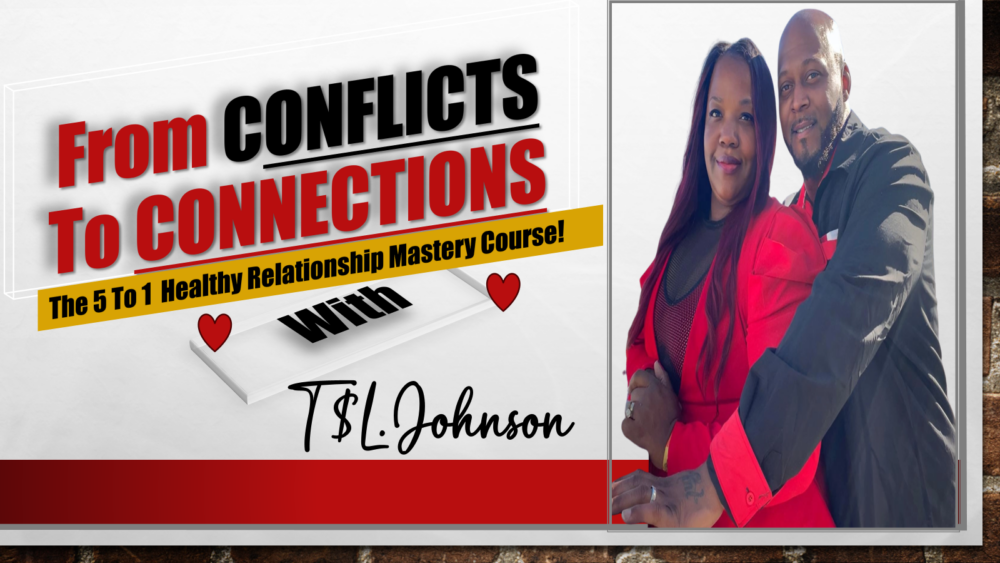
Transform Your Conflicts Into Connections
When conflicts arise, I try to take a deep breath and consider the other person’s perspective. They may have grown up differently, or perhaps they’re just going through something tough. Understanding their background can diffuse a potentially heated situation and foster compassion.
By practicing empathy, I’ve discovered that it leads to more respectful interactions and often opens pathways for resolving conflicts without negative fallout. There’s something about offering kindness that encourages others to reciprocate it!
Know When to Walk Away
Recognizing Toxicity
There are times when, no matter how hard you try, things just don’t seem to click. And you know what? That’s okay. Knowing when to walk away from a situation or a relationship that feels consistently uncomfortable is crucial. I’ve had to step back from friendships where I felt my personal space was regularly violated, regardless of how much I tried to communicate.
Recognizing toxicity takes some self-reflection. If a person repeatedly disregards your boundaries despite clear communication, it might be best to reassess your connection. It’s not easy, but protecting your well-being should always be a priority.
Sometimes, stepping away can also restore balance in other aspects of life. It allows you to find healthier interactions and gives others time to reflect on their behavior. In the end, walking away doesn’t mean you’re giving up; you’re actually taking a stand for yourself.
FAQs
1. Why is personal space important?
Personal space is vital because it establishes comfort and safety in interactions. When personal boundaries are respected, people can communicate better and foster stronger relationships.
2. How can I tell if I’m invading someone’s personal space?
Pay attention to body language. If someone leans away, crosses their arms, or seems uncomfortable, you might be in their personal space. Additionally, verbal cues can also provide insight.
3. What should I do if someone doesn’t respect my boundaries?
Communicate openly. Clearly express how their actions make you feel and what you need. If they continue to disregard your boundaries, consider re-evaluating the relationship.
4. How can empathy improve personal space conflicts?
Empathy helps you understand where they’re coming from, leading to more compassionate responses. When both parties take the time to understand each other, conflicts can be resolved more amicably.
5. Is it ever appropriate to walk away from a conflict about personal space?
Absolutely! If discussions about personal space consistently lead to discomfort and negativity, it’s appropriate to step back. Protecting your peace of mind is essential for healthy relationships.

Schedule Your First 20-Minute Coaching
Call With Us Today to see if we fit . You pick the price!
Click Here