Understanding Your Differences
Recognizing Each Other’s Values
When I first started navigating the tricky waters of lifestyle differences, one of the crucial steps was truly understanding what makes my partner tick. Everyone has their own values that shape their lives, and recognizing those is vital. I’ve learned that sometimes, the values behind lifestyle choices aren’t immediately apparent, and digging deeper can shed light on why someone behaves a certain way.
For instance, if my friend prefers a minimalist lifestyle, it may stem from their upbringing or a desire for more mental clarity. By understanding these roots, I can approach conflicts from a place of empathy rather than judgment. It’s all about appreciating the diverse backgrounds we all bring to the table.
So, when you’re faced with a disagreement, take a pause and try to unpack the values behind the lifestyle choices. This step is key to fostering a conversation that is respectful and productive.
Evaluating Personal Lifestyle Choices
Next up, I’ve found that evaluating my own lifestyle choices helps tremendously when dealing with conflict. I like to take a moment to reflect on my choices – why do I do what I do? This kind of self-inquiry can reveal not just habits but also any biases I might have. Are those weekend parties really a necessity, or am I just clinging to an old version of myself?
Understanding my own reasons provides a solid foundation for discussing lifestyle differences with others. If I can clearly articulate what I value and why, it opens up a dialogue where both parties feel heard and understood. It’s about being honest with myself and using that honesty to connect with others.
This evaluation aspect encourages me to remain flexible. Lifestyle choices aren’t carved in stone; they can evolve with time. So, being open to change while also explaining my position can lead to a more fruitful discussion.
Looking for Common Ground
In my experience, finding common ground is like discovering gold in the middle of a conflict. It’s super easy to get lost in the differences, but when I shift the perspective to find shared interests, everything changes. Whether that’s a love for adventure or just the simple joy of cooking together, emphasizing those shared experiences reminds us that we are more alike than different.
This commonality not only helps in easing the tension but also builds a strong bond moving forward. You might just find that you both love hiking on weekends, even if your day-to-day lifestyles differ significantly.
So, during conversations, I keep my eyes peeled for those overlapping areas. It’s all about bringing the focus back to the “us” instead of the “me versus you” mentality.
Communicating Openly
Setting the Stage for Discussion
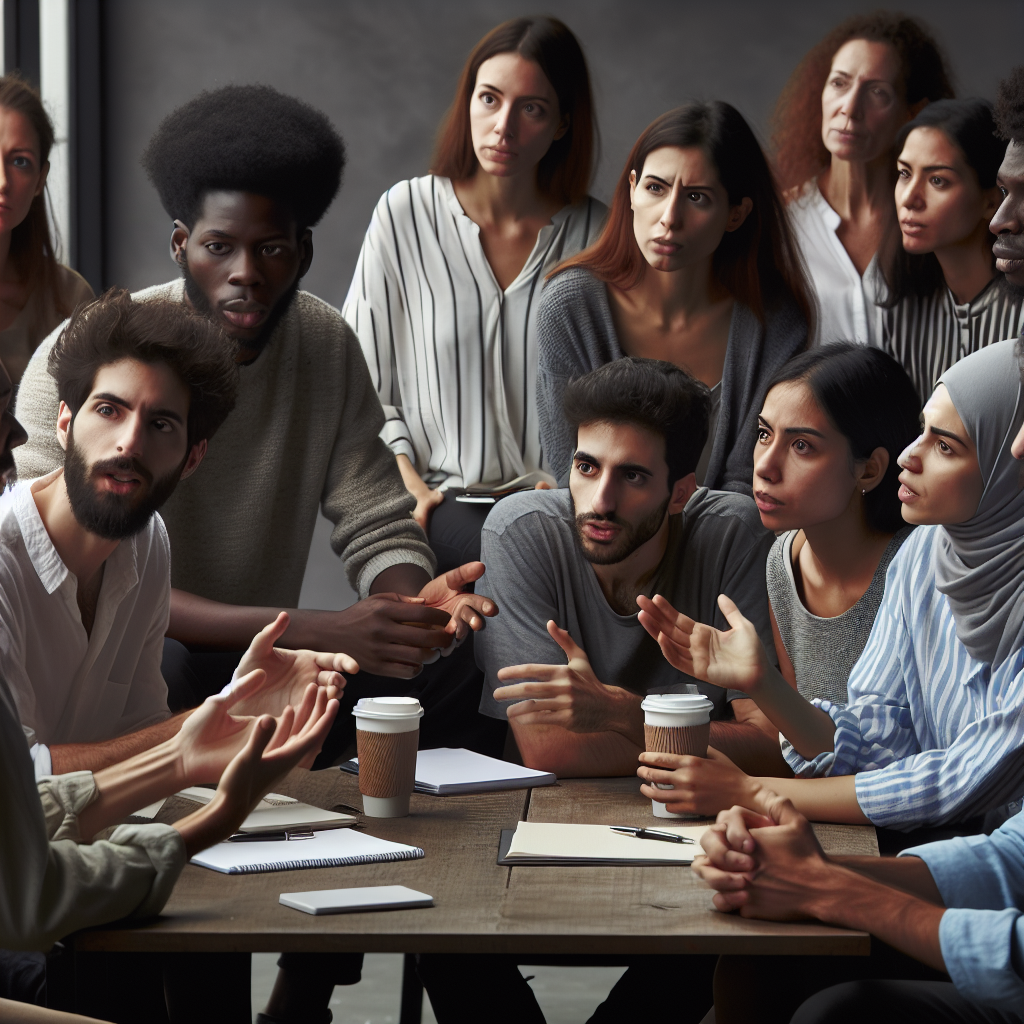
When conflict arises, it’s essential to communicate openly. I like to create an environment that feels safe for discussion. That means choosing the right time and place – somewhere calm and free of distractions. You don’t want to hash things out in the heat of the moment or over text messages, which can easily be misconstrued.
In my experience, it’s also helpful to approach the conversation with curiosity instead of accusations. For example, instead of saying, “You always make us stay in on weekends,” I’d phrase it as, “I’ve noticed we’ve been staying in a lot lately. What do you think about that?” This simple shift can change the entire dynamic of the dialogue.
Encouraging open discussion allows both parties to share their thoughts and feelings without fear of judgment. It’s about creating a space where we can both feel comfortable being ourselves, and that’s golden.
Practicing Active Listening
One of the most crucial skills I’ve learned over the years is practicing active listening. This means not just hearing the words being said but really paying attention to the emotions behind them. When my partner talks about their lifestyle choices, I try to listen fully without planning my response simultaneously. It’s tough, but it’s a game-changer.
By validating their feelings and showing genuine interest, I demonstrate that I respect their perspective. A simple nod or small verbal encouragement can express that I’m engaged and concerned. In these moments, it’s important for me to hold back my biases and judgments and allow my partner to express themselves fully.
This kind of attention encourages a more respectful conversation, and it gives us the chance to understand each other on a deeper level. After all, relationships are often about those small moments of connection that lead to breakthroughs in understanding.
Transform Your Conflicts Into Connections
Finding Solutions Together
After we’ve unpacked our values and communicated openly, the next natural step is finding solutions together. I love brainstorming ideas that reflect both of our styles, instead of forcing one lifestyle onto the other. Perhaps we can alternate between my love for outdoor activities and their need for cozy nights in—sounds like a win-win, right?
Collaboration is key! Compromising doesn’t mean losing out; instead, it’s about creating a new norm where both parties feel valued. So whenever we face a disagreement, I encourage collaboration by proposing joint solutions that can meet both our needs.
It’s a beautiful thing when both sides feel like they are contributing. And believe me, after a little brainstorming session, we often emerge with a solution that’s richer than what each of us might have come up with alone.
Moving Forward
Building Trust Through Experience
As we continue to navigate our differences, building trust through experience is crucial. In my own relationships, I’ve noticed that when we encounter and successfully resolve a conflict together, we strengthen our bond. It’s like every challenge we face becomes a building block for a more robust relationship.
Each time we work through differences, we develop a track record of trust that it’s okay to express our needs openly. This trust is precious and helps us face future conflicts with more confidence. The reassurance that we have each other’s backs creates an environment where communication flows naturally.
So, I remind myself that conflicts can be gateways to deeper understanding, not just obstacles. Every experience, good or bad, can enhance our relationship if we allow it to forge a path toward growth.
Maintaining the Balance
Lastly, I think it’s essential to maintain a healthy balance once we’ve resolved conflicts. This means keeping the lines of communication open and continuously checking in with each other about how our lifestyle differences may be impacting our relationship. I often set periodic ‘relationship check-ins’ where we can chat about what’s working and what’s not, helping us proactively address any issues that arise.
It’s so easy to slip back into old habits or let minor frustrations fester. By maintaining a balance and expressing our feelings regularly, we prevent those small issues from snowballing into bigger conflicts in the future.
Life is a journey, and our lifestyles might change along the way. To grow together, we must remain engaged and open to each other’s experiences as we navigate this ever-evolving landscape.
Conclusion
Handling conflict about lifestyle differences is never straightforward, but with understanding, communication, and a willingness to find common ground, we can create stronger, more resilient relationships. It’s a continual process, a dance really, where both parties must learn to lead and follow in turns.
FAQ
1. What are the first steps to take when facing lifestyle conflicts?
The first step involves understanding your differences and recognizing each other’s values. Reflect on what matters to you and find commonality to help bridge any gaps.
2. How important is communication in resolving lifestyle differences?
Communication is crucial! Open and honest conversations allow both parties to express their views and feel heard. It sets the groundwork for resolution.
3. What if one person is unwilling to compromise?
If one party is unwilling to compromise, it’s essential to address this openly. Discuss the importance of mutual respect and understanding in a relationship, and explore why compromise is necessary.
4. How can I ensure both lifestyles are respected in the relationship?
Respecting both lifestyles calls for ongoing communication and collaboration. Regular check-ins can help make sure both partners feel valued and understood.
5. Is it possible to change one’s lifestyle for a relationship?
While change is possible, it’s essential that it comes from a place of personal choice rather than pressure. Both partners should feel free to evolve without losing themselves in the relationship.
Schedule Your First 20-Minute Coaching
Call With Us Today to see if we fit . You pick the price!
Click Here