Understanding the Roots of Conflict
Recognize Different Perspectives
Conflicts with extended family often stem from differing viewpoints. Each family member comes from their own background, shaping how they see the world. I remember a family gathering where a simple conversation about politics turned into a heated debate. It was a reminder of how our beliefs are often deeply embedded in our identities. I had to take a step back and really think about where each person was coming from.
When emotions run high, it’s easy to forget that we’re all human. I’ve learned that acknowledging someone else’s feelings can go a long way in diffusing a tense situation. By sharing my perspective while listening to them deeply, I find it easier to bridge those gaps. It’s about offering kindness, even when faced with conflict.
Also, recognizing the values behind different opinions is crucial. Maybe Aunt Karen is just trying to protect her family, or Uncle Joe feels a sense of duty in his stance. Understanding these core motivations rather than just the surface-level argument helps me see things clearly and navigate the conflict better.
Effective Communication Strategies
Practice Active Listening
One of the most valuable skills I’ve picked up in addressing family conflicts is active listening. This means truly hearing what the other person is saying without mentally crafting my response while they’re still speaking. I often practice nodding and maintaining eye contact, which assures them I’m tuned in.
When my cousin started venting about a family issue, I made an effort to listen without interruption. This process not only helped them feel validated but also made it easier for me to offer a more thoughtful response later on. By not rushing to react, I found that the conversation flowed more smoothly.
Active listening fosters a sense of respect. When you show someone that you value their feelings, it can break down walls and make them more receptive to your side of things too. I’ve seen it work wonders in my family dynamics time and again.
Establishing Boundaries
Identify Personal Limits
Sometimes, it’s necessary to set boundaries for our well-being. During a particularly stressful holiday, I found myself overwhelmed by constant discussions about family drama. That’s when I realized that I needed to establish some personal limits. I figured out which topics were off-limits for me to maintain my sanity.
Do I want to be involved in every family decision? Not really! By communicating these boundaries clearly but kindly, I’ve learned to protect my mental space. It’s about standing firm on what’s important for my peace without shutting anyone down.
Boundaries are essential for maintaining healthy relationships. A clear understanding of what I can and cannot tolerate has improved the way I interact with my family. They may not always agree, but respecting my limits has made for much more enjoyable interactions!
Finding Common Ground
Highlight Shared Interests
Instead of focusing solely on disagreements, I try to steer the conversation toward shared interests. At a family reunion last summer, instead of discussing the heated issue we were all divided on, I brought up our mutual love for gardening. It was like flipping a switch! Suddenly, everyone was engaged and excited about common goals.

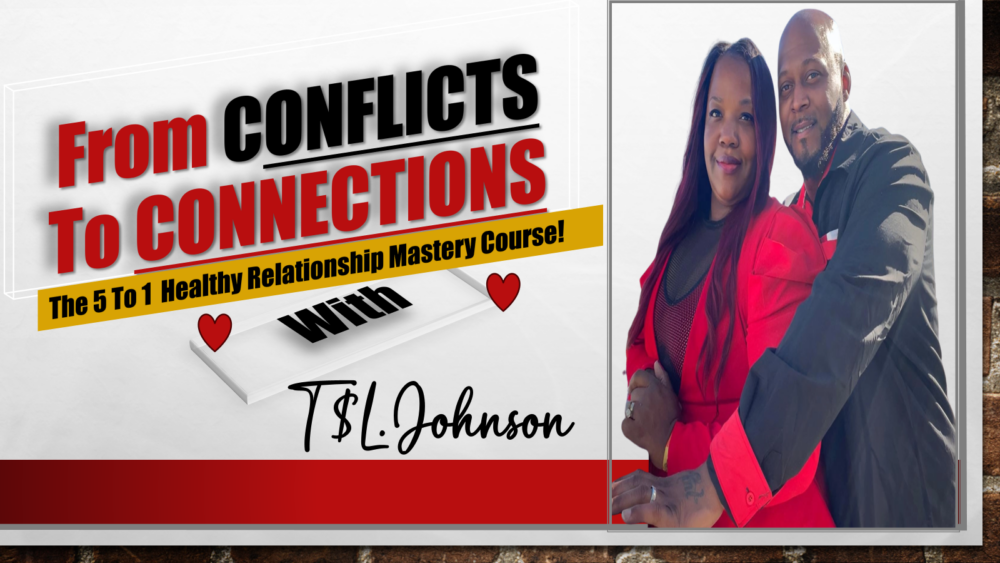
Transform Your Conflicts Into Connections
Finding these bridges helps to foster unity. It reminds us that, despite our differences, there are plenty of things that we can agree on. I’ve found that sharing fun memories or common hobbies can shift the atmosphere from confrontational to collaborative.
This strategy has strengthened the bonds within my family. By focusing on what unites us, we build a more positive environment—even in the face of ongoing disputes. Sharing a laugh over our favorite family tale does wonders for easing tension!
Seek External Support When Necessary
Engage a Neutral Mediator
Sometimes, despite our best efforts, conflicts can escalate beyond personal resolution. In such cases, I’ve found it helpful to engage a neutral mediator. This can be a trusted family friend or even a professional therapist. They can provide a fresh perspective and assist in navigating thorny discussions.
I once invited a family friend to help mediate a particularly tough family gathering. With their neutral stance, they helped to channel the conversation in a more productive direction. It made all the difference in calming things down and allowing everyone to feel heard.
Having someone objective can sometimes ease the emotional load we carry. I’ve learned that it’s perfectly okay to seek help when the waters get too murky. Ultimately, it’s about preserving family ties, and sometimes that means reaching out for support, which can foster understanding and resolution.
FAQs
What should I do if the conflict escalates during a family gathering?
If tensions rise, try to take a step back and suggest a break. It’s crucial to allow emotions to cool down before any further discussions. This can help everyone approach the situation with a clearer head.
How do I handle conflicts that seem to reoccur?
Recurrent conflicts often indicate underlying issues. It’s beneficial to address these root causes rather than just the symptoms. Open dialogues about feelings and perspectives can lead to solutions.
Should I confront family members directly?
Direct confrontation can be effective, but it should be approached with care. Timing and tone are very important. If you sense that a family member is open to discussion, share your feelings honestly but respectfully.
How can I keep the peace during family holidays?
Plan ahead! Think of common interests to discuss and topics to avoid. Having games or activities can also divert attention away from contentious topics, keeping the atmosphere light and positive.
When is it appropriate to seek professional help for family conflicts?
If family conflicts significantly impact your well-being or mental health, it may be time to seek professional help. A mediator or therapist can provide support and strategies to navigate difficult dynamics more effectively.

Schedule Your First 20-Minute Coaching
Call With Us Today to see if we fit . You pick the price!
Click Here