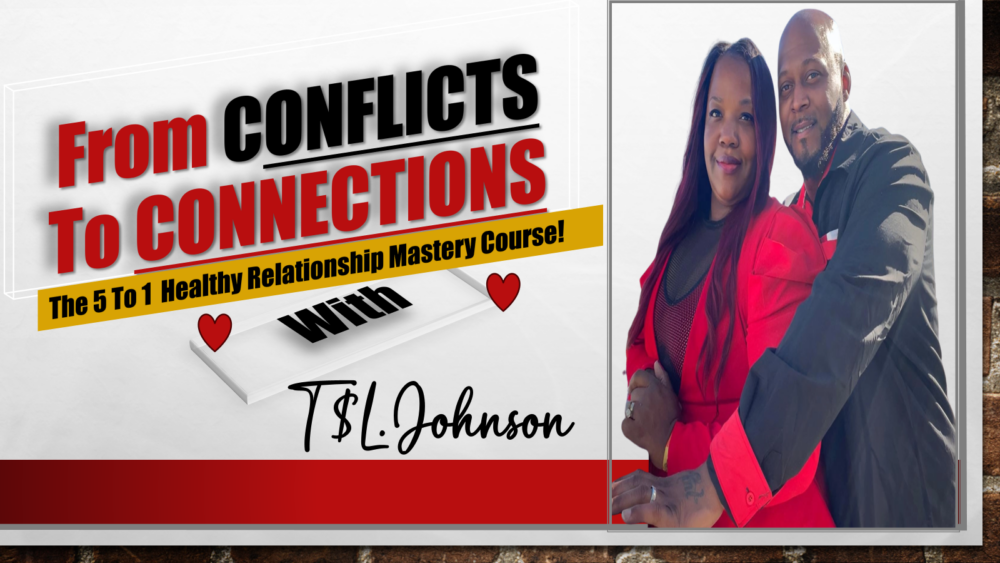
Hey there! Let’s dive into something we all encounter at some point: arguments. Whether it’s with a friend, a family member, or a colleague, disagreements can get a little messy. I’ve been through my fair share of squabbles, and I’ve learned that how you handle these situations can make all the difference in maintaining trust. So, let’s explore some key strategies that I’ve found to keep the peace! Here are three major areas that I believe are essential when dealing with disagreement.
Stay Calm and Collected
Recognize Your Emotions
The first step in any argument is to recognize what’s happening in your body and mind. When I feel myself getting fired up, I pause and take a deep breath. Seriously, it helps! Allowing ourselves to recognize the heat of the moment can be the difference between a heated argument and a constructive conversation. Once I acknowledge my feelings, I can reflect on what’s truly bothering me.
Understanding your emotional triggers is key. Are you feeling defensive? Hurt? Frustrated? By identifying your feelings, you can express them clearly without spewing anger. I often remind myself that it’s okay to feel a certain way just as long as I communicate it effectively.
Lastly, at this stage, I try to maintain a level of composure. If I feel too emotional, I might suggest taking a break. It’s not the end of the world to pause and return to the discussion once we’re both calmer.
Listen Actively
This might sound cliché, but actively listening is genuinely crucial during a disagreement. It’s super easy to get caught up in formulating your response while the other person is still talking. I’ve tried to make a conscious effort to listen more than I speak during arguments. I often repeat back what I heard to ensure I understand their perspective. It not only demonstrates that I’m engaged but also helps clarify any miscommunication.
When I focus on listening, I find that it opens up a pathway for a more meaningful dialogue. Often, we realize that we have more in common than we think. By really tuning into what the other person is saying, I create an opportunity for empathy and understanding. This builds the foundation of trust.
Lastly, it’s important to ask questions. Questions show that I’m interested and invested in finding a resolution. Plus, it helps to uncover any underlying issues without making assumptions.
Communicate Clear Intentions
Once the emotions settle and I’ve actively listened, the next step is to communicate my intentions clearly. I always aim to express that my goal is to resolve the issue rather than escalate it. I like to use “I” statements to convey how I feel—like saying, “I feel hurt when…”, instead of “You always…”
This approach helps prevent the other person from feeling attacked. I’ve found that being particularly straightforward about my intentions aligns our goals for the discussion. Everyone wants to be on the same side, especially when trust is on the line.
Lastly, I make sure to invite the other person to share their intentions as well. This open expression can help both parties understand each other and work towards a resolution that fits everyone.
Seek Common Ground
Identify Shared Values
When the going gets tough, identifying shared values can be incredibly powerful. In the heat of an argument, it’s easy to forget that we might actually want the same thing. I love to put a spotlight on the things we agree on—whether it’s about a mutual goal or a common concern. This helps remind us that we’re not enemies but rather allies in this situation.
For instance, if I’m arguing with a coworker about how to handle a project, we might disagree on methods, but we both value the outcome of a successful product. That shared value can become a rallying point for us to find a middle ground.
By emphasizing our commonalities, we can shift the focus from being combative to collaborative. It creates an atmosphere of unity instead of division, which is crucial for maintaining trust.
Explore Compromise Options
Let’s get real: no one’s getting everything they want in every argument. I’ve learned that exploring compromise options can be a game-changer. After we’ve established shared values, I like to brainstorm solutions together. This often involves creativity, and sometimes even a bit of sacrifice from both sides.
When discussing potential compromises, I aim to be open-minded. It’s super easy to shut down suggestions right off the bat; we’ve all been there. However, if I keep an open mind, I often find new and innovative solutions that can satisfy both parties or, at the very least, help us meet somewhere in the middle.
In my experience, compromising doesn’t mean losing. It’s about collaborating to find the best path forward for everyone. This practice fosters a sense of teamwork, which can bolster trust for future interactions.
Follow Up
After we’ve navigated through the disagreement and reached a resolution, I always make it a point to follow up. It may seem trivial, but checking in shows that I care about the outcome and the ongoing relationship. A simple “Hey, how do you feel about where we landed?” can go a long way.

Transform Your Conflicts Into Connections
This follow-up serves multiple purposes: it reaffirms our commitment to a healthy relationship, allows for any unresolved feelings to surface, and opens the door for honest communication down the line.
Moreover, keeping the lines of communication open can prevent future arguments from spiraling out of control. It lays the groundwork for ongoing dialogues and helps us continue to build that trust we cherish.
Practice Patient Persistence
Understanding Takes Time
I can’t stress this enough: building understanding doesn’t happen overnight. Sometimes, people need time to digest the conversation and reflect on their feelings. I’ve often found that revisiting the topic after allowing some space can yield better insights than pushing through an argument in one sitting.
It’s crucial to be patient with myself and the other person. We’re all human and carry our own unique perspectives and backgrounds into disagreements. Understanding takes time, and embracing the process can strengthen our relationship in the long run.
Additionally, I try to remind myself that just because we’re on different sides of an argument, it doesn’t mean the relationship is less valuable. This mindset ultimately leads to greater understanding and patience.
Stay Committed to Growth
In my journey, I’ve learned that every argument carries a lesson. Staying committed to personal growth after a disagreement can be transformative. I like to reflect on what went well, what didn’t, and how I can handle future situations more gracefully.
Seeking feedback from the other person is also beneficial. I make it a point to ask for their insights on my communication style and actions during the disagreement. This type of feedback can highlight areas I might need to work on, fostering trust and a stronger connection.
If we commit to continuous improvement, not only do we become better communicators, but we also deepen our relationships. It’s all about learning from each experience and applying those lessons to navigate conflicts more effectively in the future.
Celebrate Resolutions
Last but not least, after a resolution is reached, why not celebrate it? Even the smallest victories deserve recognition! I like to acknowledge the hard work both of us put into resolving our argument. It’s a fantastic way to reinforce positive feelings and strengthen trust in our relationship.
By celebrating these moments, we create a culture of collaboration instead of confrontation. It’s a reminder that, even when things get heated, we can come together and work towards common ground.
Plus, who doesn’t love a good reason to share a laugh or a pat on the back? It’s crucial to show gratitude for the effort each side put in so we can both grow closer moving forward.
Frequently Asked Questions
1. How can I remain calm during an argument?
Staying calm starts with recognizing your emotions. Take deep breaths, and if things start getting overwhelming, suggest a pause. Remember, it’s okay to take a step back to regroup!
2. What are “I” statements and why are they important?
I statements express your feelings without blaming the other person. For example, saying “I feel upset when…” instead of “You make me angry…” helps foster understanding rather than defensiveness.
3. How do I identify common ground during a disagreement?
Focus on shared values or goals. Ask questions to uncover mutual interests that can help shift the conversation from conflict to collaboration.
4. Is it necessary to follow up after resolving an argument?
Absolutely! A follow-up shows that you care about the resolution and the relationship. It also allows both parties to reflect and clear up any lingering feelings.
5. How can I ensure I’m growing from each conflict?
Reflect on what worked and what didn’t after each argument. Seeking feedback from the other person can help you identify areas for improvement, making you a stronger communicator.
Well, folks, that’s a wrap! Dealing with arguments can be tricky, but with these steps, you can navigate them while maintaining trust. Remember, every disagreement is an opportunity for growth and deeper understanding.

Schedule Your First 20-Minute Coaching
Call With Us Today to see if we fit . You pick the price!
Click Here