Building a Foundation of Openness
Creating Safe Spaces
When I think about trust, the first thing that comes to mind is begetting openness. I’ve found that creating a safe space for conversations is crucial. This means being the person who listens without judgment, who welcomes honesty without knitting their brow in disdain. I strive to show that I’m there for the tough talks, ready to dig into the more challenging subjects that life throws our way.
It’s all about establishing an environment where everyone feels comfortable sharing their truths. Practicing active listening not only enhances that space but also shows them I genuinely care. I make it a point to sit down with friends or family and pay attention to what they say. No distractions—just genuine conversation.
Sometimes, just knowing that I’m open to listening can ease the anxiety of others wanting to speak their mind. It makes such a difference when you start to feel that safe flow of honesty building between you and the other person.
Sharing Personal Stories
This might sound simple, but sharing my own experiences can really break down walls. I’ve often found that when I open up about my fears or insecurities, it creates a ripple effect where others are eager to share their truths too. It’s like rolling a snowball—you just have to give it a little push in the right direction.
By allowing vulnerability to shine through, I often receive the same in return. The beauty of this mutual sharing is that we start to see each other as just regular humans trying to make sense of life. It builds a genuine connection that fosters trust.
This gentle honesty doesn’t mean I have to lay everything bare, but sharing certain insights enables others to feel that they, too, can let their guard down. It’s almost magical how sharing a little of ourselves can pave the way towards deeper trust.
Encouraging Honest Feedback
One of the best experiences I’ve had in building trust is when I started asking for truthful feedback. Sure, it can be a little scary, like flipping a coin and hoping for heads. But I realized that this was a vital part of any relationship. By inviting others to give me constructive criticism, I’m signaling that I value their opinions and perspectives.
Encouraging feedback—no matter how challenging—opens up the conversation and showcases my willingness to grow. On the flip side, I make it a point to provide feedback gently, so it’s not like I’m slapping someone in the face with unpleasant news.
This reciprocity goes a long way in cementing trust. It shows I’m open to receiving while also being considerate in sharing, which makes everyone more comfortable opening up. Over time, we develop a relationship where both parties know they can express themselves honestly without fearing the fallout.
Practicing Kindness in Truth-Telling
Choosing Words Wisely
In my experience, there’s a fine line between being honest and being harsh. I’ve learned to choose my words carefully. Honesty doesn’t give anyone carte blanche to be brutal. Instead, I aim to deliver truth with kindness and compassion.
For example, delivering difficult messages requires a bit of finesse. I learned that before I spill a hard truth, I should frame it in a way that the other person understands my care and concern. This gentleness ensures that our relationship can withstand those tricky moments, rather than risk damaging it.
If something needs to be said, I think about how it would feel if the roles were reversed. The goal is to support growth without tearing someone down. It’s essential to provide feedback that uplifts rather than discourages.
Showing Empathy
Empathy has been a cornerstone in my journey towards deeper trust with others. Understanding the emotional landscape of someone else’s life can greatly inform how I communicate my honesty. When I can put myself in their shoes, I can express my truth without stepping on their toes.
By showing empathy when I speak, I let them know that I see their struggles and fear. I mean, it’s really about creating a connection, right? When people realize that I genuinely empathize with what they’re going through, they’re much more likely to openly share their thoughts and feelings too.
This mutual empathy creates a powerful bond, allowing for deeper conversations and trust. Knowing they are heard and understood makes it so much easier for them to reciprocate and be honest with me in return.
Following Through on Commitments
Honesty is one thing, but I’ve found that trust goes a step further with action. When I tell someone I’m going to do something or be there for them, following through is crucial. This is my way of showing that I value their trust and am committed to upholding it.

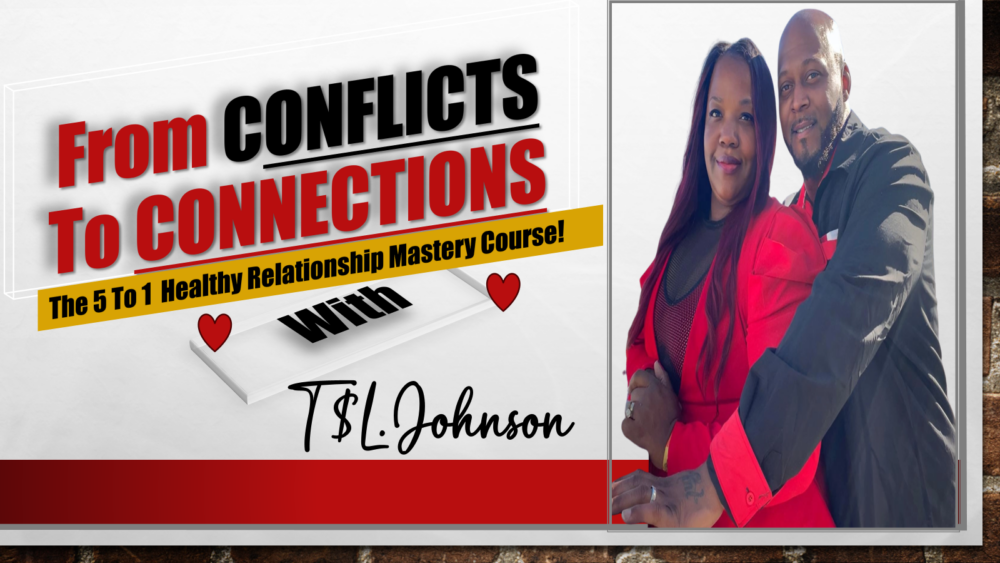
Transform Your Conflicts Into Connections
Life gets hectic, trust me, I get it. But I try to prioritize my commitments. It not only builds confidence in my relationships but also demonstrates the importance of reliability. When someone knows I keep my word, they feel safer confiding and being open with me.
Following through on commitments isn’t just about keeping promises; it’s a powerful way to strengthen the trust circle. When I make an effort to show the people in my life that I’m there for them, it reinforces that bond of honesty we’ve been building.
Embracing Vulnerability
Admitting Mistakes
Let’s be real: nobody is perfect. I’ve had my fair share of failures, and the best thing I can do is own up to them. Admitting mistakes not only shows authenticity but also offers the chance to rebuild trust when it’s shakily positioned.
When I stumble, I’ve found it’s essential to own it and have an open discussion about what went wrong. This candidness can be a turning point in any relationship. Instead of hiding behind excuses, I dive in and share the lessons learned from the experience.
It’s a peculiar irony, but by exposing my vulnerabilities and flaws, I encourage others to do the same. It reinforces a culture of honesty that empowers us not to fear failure, but to learn and grow together.
Stepping Outside Comfort Zones
Embracing vulnerability also means stepping outside of my comfort zone, especially when it comes to addressing difficult subjects. It takes some courage to initiate touchy conversations, but I’ve noticed that this willingness often fosters deeper trust.
When I tackle tough subjects head-on, especially ones like feelings or disappointments, it shows that I’m committed to a deeper connection. This leap can be scary, but more times than not, I’m greeted with openness and honesty in return.
Taking the plunge into these deep waters has consistently revealed the mutual desire for understanding and connection. Trust deepens when we confront discomfort together and emerge smiling at the other end.
Celebrating Each Other’s Vulnerability
One of the most rewarding aspects of embracing vulnerability is the way it opens up dialogues about personal experiences and struggles. When I celebrate another person’s vulnerable moments, it not only makes them feel seen but also encourages them to be authentic around me.
I take time to acknowledge when someone shares something personal; I let them know I appreciate their honesty. This affirmation magnifies the trust we share and compels them to continue being forthright with me.
There’s a unique beauty in sharing our vulnerabilities with one another. It’s like creating a tapestry of experience that strengthens our relationship. Each thread of honesty adds another layer of trust, making our connections deeper and more meaningful.
FAQs
-
Why is gentle honesty important in building trust?
Gentle honesty paves the way for open communication and encourages vulnerability, which is essential in establishing a strong foundation of trust.
-
How can I create a safe space for honest conversations?
By practicing active listening, approaching discussions without judgment, and being open, you can foster an environment where people feel comfortable sharing their truths.
-
What if someone reacts negatively to my honesty?
Sometimes honesty can catch people off guard. It’s vital to remain patient and allow them time to process. Reassure them that your intention is to strengthen the relationship, not hurt them.
-
How do I choose the right words when speaking honestly?
Consider your tone and the implications of your words. Frame feedback in a gentle manner, emphasizing support and care while expressing your thoughts.
-
Can vulnerability lead to stronger relationships?
Absolutely! By being vulnerable, you encourage others to do the same, which fosters deeper connections and builds a foundation of mutual trust.

Schedule Your First 20-Minute Coaching
Call With Us Today to see if we fit . You pick the price!
Click Here