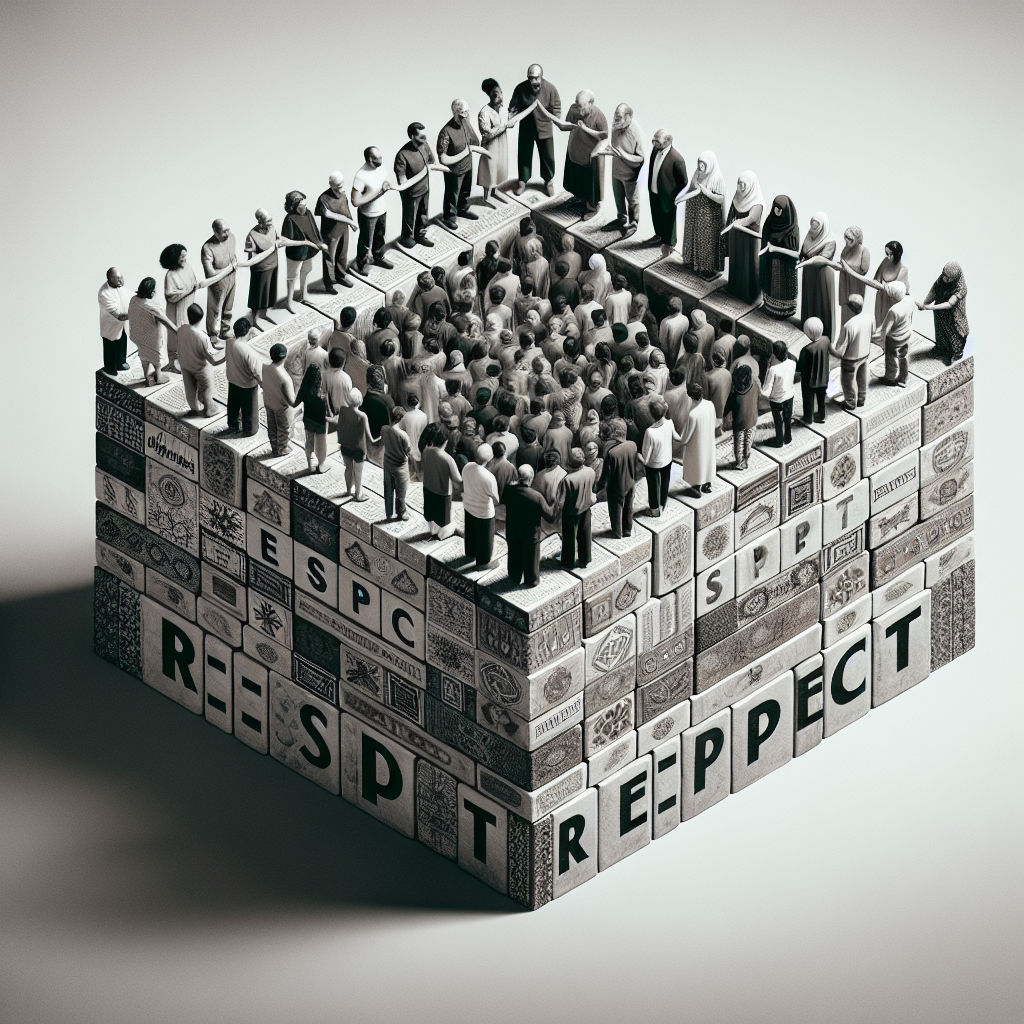
Understand the Importance of Respect
What Respect Means
Respect is such an undervalued concept these days, isn’t it? But when you really break it down, it plays a key role in any relationship—be it personal or professional. For me, respect means acknowledging others’ feelings, thoughts, and boundaries. It’s about valuing their existence and opinions, even if they differ from yours.
When I first started working in a team-driven environment, I noticed that my respect for my colleagues directly impacted our collaboration. The more I respected their views, the smoother our discussions became. It’s incredible how mutual respect can create a safe space for everyone involved.
In my experience, building respect starts with understanding its essence. When you recognize that everyone has unique experiences shaping their perspectives, you naturally lean into respecting those differences. It’s an essential first step if you’re serious about fostering strong bonds.
The Ripple Effect of Respect
Have you ever noticed how a simple act of respect can create a chain reaction? When I show respect to someone, it encourages them to reciprocate. This creates a positive environment where all parties feel appreciated and valued. Trust me, it’s contagious!
I’ve been in scenarios where one person’s disrespect led to a toxic atmosphere. But flip that around; when respect is at the forefront, it’s like a light in a dark room, illuminating possibilities for collaboration and understanding.
So, the next time you’re dealing with someone, think about how your respect—or lack thereof—can influence the tone of the entire interaction. It’s more powerful than we often give credit for!
Respect in Everyday Interactions
Respect doesn’t have to be a grand gesture; sometimes, it’s the little things. I find that being attentive, active listening, and being polite can go a long way. When we regard the people around us with kindness and consideration, it sets a standard for how we wish to be treated, too.
For instance, holding the door for someone or acknowledging their presence with a smile and a greeting can make a significant difference. It’s these everyday actions that create a culture of respect in our personal interactions.
Ultimately, respect permeates everything we do. The more aware I become of it in my daily interactions, the more inseparable it becomes from my character. It’s a wonderful habit to cultivate.
Communication: The Key to Respect
Practice Active Listening
Active listening is one of the most effective ways to convey respect. It sends a clear message to someone that you value their input. I know, it can feel challenging to really tune in, especially when you’re dealing with distractions. But I’ve learned it’s a game-changer.
One thing I often do is put away my phone and make eye contact. This shows the speaker that I’m engaged. Hearing them out without immediately formulating my response lets them know that I truly care about what they have to say.
After trying it out consistently, I realized that people warm up more quickly to me when they see that I’m genuinely listening. It’s like a secret sauce for connection, and that’s what we’re really aiming for, right?
Expressing Your Thoughts Respectfully
Equally important is how we articulate our own thoughts. I’ve found that expressing myself respectfully doesn’t mean tiptoeing around issues. Instead, it’s about being clear and direct without being abrasive. Honestly, this approach works wonders for diffusing potential conflicts.
When I have a critique to share, I make a point of framing it positively. For example, instead of saying, “You did that wrong,” I might say, “I noticed that this part could be improved, and here’s how…” It’s a more diplomatic way of fostering growth.
You’ll find that respecting others’ feelings while also addressing what needs to be discussed often leads to better outcomes in conversations and a clearer path to resolving issues.
Nonverbal Communication Matters
Did you know that nonverbal cues can affect how your respect is perceived? Body language can either support your words or totally undermine them. That’s why I’ve made it a priority to stay aware of my expressions and posture during conversations.
Maintaining an open posture and a relaxed demeanor conveys openness and respect. On the other hand, crossing your arms or avoiding eye contact can signal disinterest or contempt. Things like maintaining a friendly tone can also amplify the respect you convey visually.
In essence, being conscious of nonverbal communication enhances your relationships dramatically. It’s just another layer of respect we can incorporate into our interactions!
Fostering an Inclusive Environment
Welcoming Diversity
Diversity is something I embrace wholeheartedly. I believe that being open to diverse backgrounds, experiences, and opinions enriches our lives. It creates a tapestry of perspectives that can really lead to meaningful conversations and innovation.
In my workplace, I’ve seen how a diverse team fosters creativity. It’s important to remind ourselves that each person’s unique experiences can contribute positively to our collective goals. That acknowledgment not only breeds respect but also collaboration.
So, if you’re in a position where you can advocate for diversity, do it! Make it a key component of your foundation for respect.
Transform Your Conflicts Into Connections
Encouraging Open Dialogue
Creating a space where everyone feels safe to express themselves is crucial. I’ve found that when I encourage open dialogue, it builds trust. When people think they can speak freely without judgment, they’re more likely to contribute openly.
In meetings, I strive to frame discussions as collaborative rather than hierarchical. It empowers everyone to share their thoughts and fosters a sense of belonging among team members.
In fostering that environment, remember to embrace vulnerability. Everyone is human, and we all have our strengths and weaknesses. The more we acknowledge that, the more respect flourishes in the group dynamic.
Setting Boundaries
Remember, respect is a two-way street. I’ve learned that part of nurturing respect involves establishing and respecting boundaries. It’s important for everyone to know they have the right to say “no” without backlash.
I’ve found that when I communicate my boundaries clearly and respectfully, others are more likely to reciprocate. For instance, if I need focused time to work, I communicate that to my team. They appreciate the clarity, and it enhances mutual respect.
Ultimately, learning to respect personal boundaries earns you respect in return. It’s healthy for relationships and sets a professional tone in work environments.
Continuous Learning and Growth
Reflect on Your Actions
Self-reflection is a powerful tool in building respect. I have taken the time to consider how my actions affect those around me. This habit has equipped me with awareness and prompted personal growth.
By regularly assessing how I communicate and behave, I can identify areas needing improvement. It could be something as small as my tone during disagreements or big-picture issues like inclusivity in discussions.
This reflective practice not only heightens my sense of respect for others but also for myself—the journey of personal growth is continuous, and knowing that is key to building an enduring foundation of respect.
Seek Feedback from Others
I can’t stress enough how important it is to ask for feedback. It might feel a bit uncomfortable at first, but it’s an essential part of growth. I often ask colleagues how I can communicate better or support their needs more effectively.
The insights I gleaned have proven invaluable. Others’ perspectives help guide me toward becoming a better communicator and coworker. Embracing this feedback loop demonstrates that I prioritize their feelings while also taking proactive steps to enhance our interactions.
So, take that leap! Don’t shy away from seeking constructive criticism—it’s actually a sign of strength and a commitment to fostering respect.
Commit to Lifelong Learning
Finally, it’s crucial to recognize that respect is not a destination but a journey. I’ve made a point to continuously educate myself—be it through workshops, reading, or engaging with diverse groups. This ongoing learning helps refine my understanding of respect in different contexts.
When we might think we know all the ins and outs, the reality is there’s always more to learn. Respect isn’t static; it evolves as culture and society change. Being open to new ideas keeps me relevant and adaptable.
Choose to be a lifelong learner, and you’ll see how it positively impacts your approach to mutual respect in every facet of life!
FAQs About How to Build a Foundation of Shared Respect
1. Why is mutual respect important in both personal and professional settings?
Mutual respect is vital as it establishes trust and creates a safe space for open communication. It fosters collaboration, making interactions smoother and more productive, whether at home or in the workplace.
2. How can I improve my active listening skills?
Improving active listening starts with eliminating distractions, maintaining eye contact, and summarizing what the speaker has said. Show you are engaged and interested—people can tell when you are genuinely listening.
3. What are effective ways to express ideas without offending others?
Frame your thoughts positively and use “I” statements. For instance, instead of saying, “That’s wrong”, try “I see it differently, and here’s why…” This approach invites dialogue and minimizes defensiveness.
4. How can I encourage others to express their opinions freely?
Create a welcoming environment by inviting input, showing appreciation for all contributions, and ensuring everyone feels safe from judgment. It also helps to acknowledge and validate differing opinions.
5. What can I do to keep learning about respect and inclusivity?
Stay informed by reading articles, attending workshops, or joining discussions on inclusivity and respect. Engaging with diverse communities can also broaden your perspective and deepen your understanding.

Schedule Your First 20-Minute Coaching
Call With Us Today to see if we fit . You pick the price!
Click Here