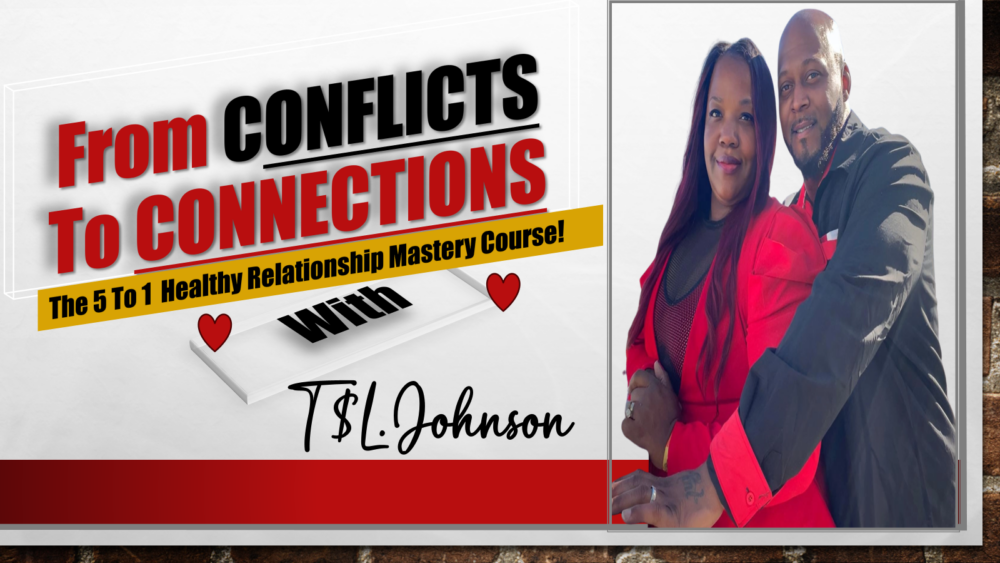
Understand the Root Causes of Conflict
Identifying Triggers
When I first started working in teams, I noticed how certain situations always seemed to spark disagreements. After some trial and error, I learned it’s crucial to pinpoint those triggers. Whether it’s misunderstandings in communication or clashing work styles, knowing what sets off conflict can take you a long way.
Take a moment to reflect on previous conflicts. Were they often related to deadlines or differing opinions? By mapping out these patterns, you become more equipped to handle them proactively in the future.
Realizing what causes friction not only prepares you better but also helps frame discussions with your team. It transforms conflict from something daunting into an opportunity for growth.
Creating a Safe Environment
To address conflicts effectively, creating a safe space for everyone to express their feelings is pivotal. From personal experience, I’ve found that when team members feel they can speak up without fear of backlash, the conversations become more productive.
Encourage openness and reassurance in discussions. Sometimes just starting with “It’s okay to disagree” can set the tone for a healthier dialogue. This isn’t just about combating conflict; it’s about fostering trust within the team.
Strong relationships form the backbone of a solid team. When everyone feels heard, conflicts turn into collaborative problem-solving rather than face-offs.
Active Listening Skills
One of my biggest lessons in conflict resolution has been mastering active listening. It’s one thing to hear what someone is saying, and another entirely to truly listen. This means giving your full attention, not formulating a response while they talk.
Try paraphrasing what you’ve heard to ensure understanding. It shows that you’re engaged and value their perspective. A simple, “What I understand from your point is…” can do wonders to bridge gaps in communication.
Remember, resolving conflict goes hand-in-hand with empathy. Active listening not only helps clarify issues but also demonstrates that you care about your teammates’ viewpoints.
Addressing Issues Head-On
Choosing the Right Time and Place
The timing and setting for addressing conflict can make a huge difference. I’ve learned that discussing sensitive issues in the heat of the moment rarely yields good results. Instead, choose a calm and private environment.
By bringing up issues in a controlled setting, you create an opportunity for a balanced and respectful conversation. This can defuse tension and lead to a more constructive discussion.
Moreover, ensuring that both parties are ready to talk can escalate the chances of a favorable resolution. Approach the conversation with thoughtfulness; it’s not just about what you say, but how you say it.
Staying Focused on Solutions
When conflicts arise, it’s easy to get wrapped up in emotions and personal grievances. Over the years, I’ve realized the importance of steering conversations back toward finding solutions.
Encourage brainstorming together for potential resolutions. It’s amazing how creatively people can think when they feel supported and safe. Also, painting the focus on the future rather than past mistakes can open up constructive pathways.
Time and again, I’ve seen how collaborative problem-solving can turn a tricky situation into an avenue for team growth. The experience bonds everyone closer together in the end!
Avoiding Blame Games
Nothing derails conflict resolution faster than playing the blame game. I’ve been there, and it doesn’t help anyone. Instead of pointing fingers, aim to understand differing viewpoints. Approach discussions from an “us vs the problem” angle.
Transform Your Conflicts Into Connections
Using “I” statements rather than “you” statements fosters a non-confrontational atmosphere. For example, saying “I feel overwhelmed when deadlines change abruptly” rather than “You always change deadlines” can shift the conversation from accusatory to constructive.
Promoting a non-blame culture not only reduces defensiveness but also encourages accountability. It invites an atmosphere of cooperation, vital for any successful team.
Follow-Up on Outcomes
Check-In Regularly
The final piece of the puzzle is monitoring conflict outcomes. Just because an issue is settled doesn’t mean the conversation ends there. I always find it beneficial to check in with team members post-conflict.
A simple follow-up reinforces a culture of openness and accountability. You can ask probing questions like, “How do you feel about the solution we reached?” This not only shows you care but also highlights areas for improvement.
Regular check-ins maintain momentum and address any lingering feelings, contributing to an overall healthier team dynamic.
Documenting Lessons Learned
Each conflict presents an opportunity for learning. My experience has taught me to document key takeaways not just for myself but for the whole team. Reflecting on what worked and what didn’t can shape future interactions.
Creating a shared document that outlines past conflicts, resolutions, and learnings can serve as a fantastic resource for the team. It encourages reflection and growth, making everyone more aware of the dynamics at play.
Emphasizing a growth mindset reinforces that we’re all in it together, and every conflict is a chance for development.
Celebrating Progress
Lastly, don’t forget to celebrate progress! Recognizing achievements, no matter how small, fosters a more positive environment. When a team comes together to resolve an issue, give them a shoutout.
Celebration doesn’t always have to be grand; a simple acknowledgment in a team meeting or a group message can do wonders for morale. It reminds everyone that problem-solving can lead to success!
Cultivating a celebratory culture encourages further collaboration and reinforces that tackling conflicts successfully is possible.
FAQ
What is the first step to take when facing conflict in a team?
The first step is to understand the root cause of the conflict. Identifying triggers and creating a safe environment for dialogue can make a huge difference.
How can I improve communication within my team?
Active listening is key to improving team communication. Make sure everyone feels heard and valued, and try paraphrasing what others say to confirm understanding.
Why is timing important when addressing conflict?
The right time and place for discussions about conflict can ensure that everyone is calm and focused, leading to more productive conversations.
How do I prevent blame during conflict resolution?
Using “I” statements instead of “you” statements can help focus conversations on feelings and solutions rather than blame, fostering a more constructive atmosphere.
What is the benefit of following up after resolving conflicts?
Regular check-ins can help reinforce relationships and ensure that solutions are still working, preventing unresolved issues from festering.

Schedule Your First 20-Minute Coaching
Call With Us Today to see if we fit . You pick the price!
Click Here