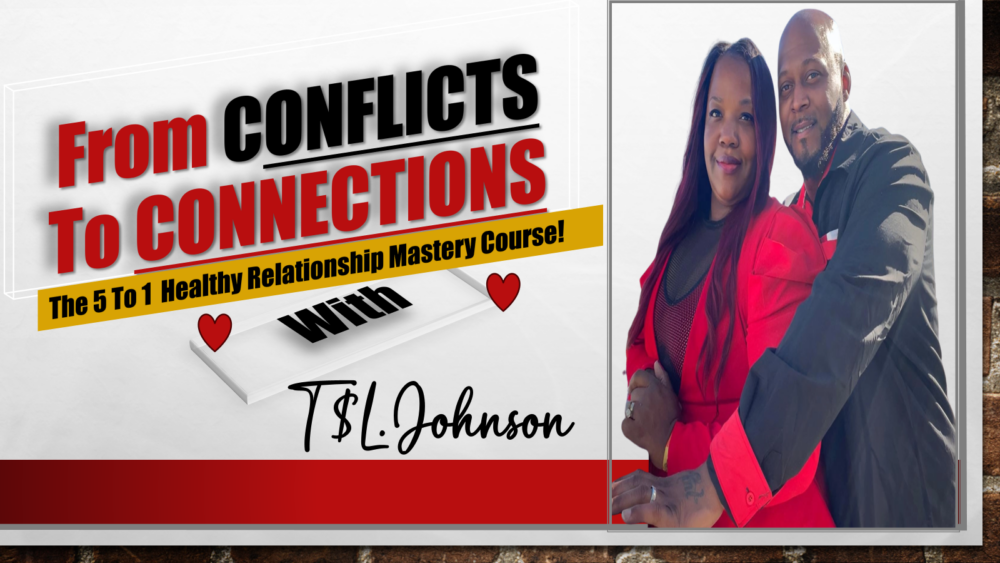
Understanding the Nature of Arguments
The Reality of Disagreement
Arguments are part and parcel of human relationships. From my experience, every time I’ve clashed with a friend or family member, it’s felt more like a storm than a discussion. It’s all about perspective. I’ve learned that disagreements don’t automatically spell disaster for relationships. In fact, they often offer a gateway to deeper understanding.
When we argue, we’re essentially putting our thoughts and feelings out into the open. This is productive in a way because it forces us to articulate our viewpoints. And hey, sometimes it’s necessary to shake things up a little! Having these spats may even lead to stronger bonds, as it reveals vulnerabilities and strengthens empathy over time.
Reflecting on my experiences, I’ve realized that arguments can often reveal the importance of our values and needs. Rather than evoking fear of disconnection, they can provide critical insights into what truly matters to us.
Arguments as a Pathway to Growth
I truly believe that arguments can act as catalysts for personal and relational growth. Picture this: you and a friend disagree about something pretty significant. Yes, it may feel uncomfortable at that moment, but that discomfort is a juicy opportunity for growth! By confronting these issues, we often learn more about ourselves and our partners.
Taking the time to delve into these disagreements can lead to newfound respect and a sense of validation. When both parties genuinely listen, perceptions often change. You discover perspectives that you never even thought existed!
More often than not, once the dust settles, you find that both you and your partner come away not just intact, but with a deeper connection than before. Growth happens, and how cool is that?
Communicating Effectively During Conflict
Effective communication is key in any argument. Early on, I didn’t grasp this, and it was a huge miss for me. When tensions rise, it’s crucial to keep your cool and express your thoughts honestly. I found out that using “I” statements instead of “you” statements diffuses blame, making it easier for both parties to share their feelings without getting defensive.
Additionally, timing plays a vital role in how we connect during disagreements. Choosing the right moment to address an issue can make a world of difference. Sometimes it’s better to take a breather and revisit the topic later when both sides are calmer and more open to dialogue.
And let me tell you, listening is as important as speaking. When I started really listening, my interactions changed dramatically. It’s incredible how just pausing to genuinely hear the other side shifts the energy from contention to cooperation.
Finding Common Ground
The Power of Compromise
One of the most powerful aspects of resolving arguments is finding compromise. I’ve had my fair share of stubborn moments where I thought I had to win at all costs. Spoiler alert: it didn’t help. Compromise allows both parties to feel heard and valued, making it the ultimate win-win situation!
Thinking back to when I navigated a tricky debate over travel plans with friends, instead of pushing my itinerary, I learned to listen to their suggestions. We found a middle ground that satisfied everyone, and it turned out to be one of the most memorable trips ever. It’s wild how that dynamic works!
Compromise is about embracing the fact that we don’t always have to be right to be happy. This mindset shift made my relationships flourish. After all, it’s the joy in the journey together that truly counts and resonates.
Strengthening Our Bonds Through Disagreements
When managed well, conflicts can deepen the bonds we share with others. The irony is that through arguments, we often illuminate what’s important, resulting in stronger alliances. Reflecting on past spats, I’ve often come out on the other side feeling even closer to my loved ones.
Realizing there’s a shared goal – a stronger connection – redefines the entire conversation. This mindset fostered a sense of teamwork instead of division. I remember a tense discussion with a coworker that, at first, threatened our collaboration. However, by consciously shifting focus on aligning our goals, we found ourselves collaborating better than ever!
Understanding this has given me hope for future disagreements. They don’t have to be the end; they can mark a new beginning. Instead of fearing them, I’m learning to embrace them as a natural part of relatable and meaningful connections.
Embracing Vulnerability
Arguments can be hard-hitting, but embracing vulnerability can be transformative. My history of avoiding sensitive topics taught me that the real growth occurs when we can bare our souls. Trust me, putting your heart on your sleeve makes a real difference.

Expressing vulnerability, especially during disagreements, encourages others to be open too. In my own life, whenever I’ve shared my fears or uncertainties, it has prompted my friends to do the same, leading to genuine discussions about what really matters.
Vulnerability becomes a bridge that keeps connections alive, even through turbulent times. By nurturing it, I’ve discovered a wealth of emotional support and understanding that enriches my relationships beyond just surface-level exchanges.
Resolving Conflict and Moving Forward
Forgiveness as a Healing Tool
Forgiveness is paramount in moving forward after a conflict. I’ve had moments where I felt wronged and held on to that anger. However, I found that forgiving—not for the other person, but for myself—was liberating.
The act of forgiving allows me to release any negativity that can haunt our connections. It’s about creating space for growth and giving both parties a chance to mend and move forward positively. I remember a conversation with a friend that ended with misunderstandings. Holding onto resentment only led to more disagreements until I decided to let go. My life became lighter!
Forgiveness doesn’t mean forgetting what happened. Instead, it’s about acknowledging the lesson learned and making a conscious choice to move ahead with a clean slate. It’s this mindset that heavily influences the trajectory of my relationships.
Rebuilding Trust Post-Argument
After a disagreement, rebuilding trust is essential. The journey of reconnecting may take time, but it’s one worth investing in. In my experience, consistency in behavior plays a vital role in re-establishing trust. I’ve found that just like trust takes time to build, it can also take time to restore.
One technique I trust in this process is taking small, actionable steps towards reconnection. Maybe it’s a simple text to check in or a coffee catch-up to talk things through. You might be surprised how these small gestures can mean a lot for both sides.
Trust isn’t an overnight fix, but small, sincere acts of kindness and honesty contribute significantly to the healing process. I’ve learned it takes patience and genuine intent to turn the page and write a stronger story together.
Learning from Past Conflicts
Finally, reflecting on past conflicts is a goldmine of insights. I’m a firm believer in learning from our mistakes. When I encounter challenges in my relationships, I often think about what those incidents taught me. Taking notes from my past debates has allowed me to handle future disagreements with much more grace.
By analyzing what worked and what didn’t during past conversations, I can strategize how to better approach disagreements. Trust me, prevention is tenfold better than cure! I’ve made a point to check in on my emotions beforehand to maintain clarity when conflicts arise.
In the end, viewing arguments as learning experiences transforms them from destructive confrontations into opportunities for growth. Taking this approach ignites a strong desire in me to foster deeper, more meaningful connections.
FAQs
1. How can I keep arguments from damaging my relationship?
By focusing on open communication and approaching disagreements with a mindset geared towards understanding, you can maintain and even strengthen your relationship. Aim to listen more than you speak, and don’t forget to express your feelings in a non-confrontational way!
2. What can I do if my partner is unwilling to discuss issues?
It’s crucial to create a safe space for dialogue. Emphasize your desire to understand their feelings, and suggest a neutral setting to discuss matters when they are ready. Sometimes, giving them a little time to process their feelings can help.
3. Are arguments ever healthy for a relationship?
Yes! Arguments can be quite healthy. They allow you to voice concerns and can reveal underlying issues that need attention. It is all about how you navigate the conversation that matters most.
4. When is it best to walk away from an argument?
If emotions are running high and a conversation is becoming unproductive, it’s often best to take a step back. Walking away can help you both return with a clearer mindset, ready to resolve the issue without heightened tempers.
5. How do I know when it’s time to forgive?
Forgiveness is a personal decision. If you find that holding onto a grudge hinders your happiness and the quality of your relationship, it may be time to forgive. Reflecting on the lessons learned from the conflict can help guide your choice.
Schedule Your First 20-Minute Coaching
Call With Us Today to see if we fit . You pick the price!
Click Here