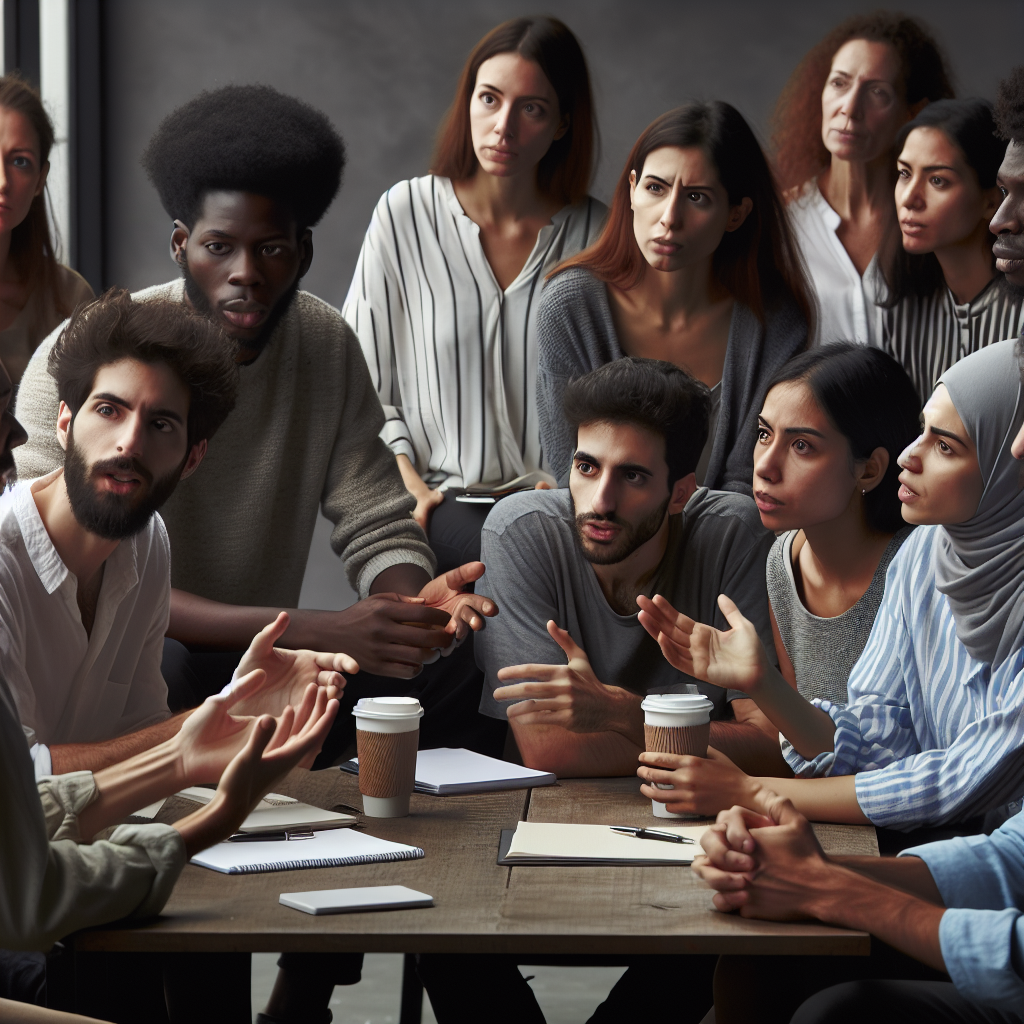
Understanding Emotions in Conflict
Recognizing Your Own Emotions
One of the first things I learned when dealing with conflicts is understanding my own emotions. We often jump into a disagreement without taking a second to recognize what we’re really feeling. Taking a breath to check in with myself has often diffused tense situations before they spiral out of control.
When I feel angry or frustrated, those emotions can cloud my judgment. It’s essential to pause, delve into that feeling, and figure out why I’m reacting the way I am. Doing this not only helps me understand myself better but also prepares me to respond rather than react, making a huge difference during conflicts.
So, the next time you find yourself in a heated discussion, take a moment. Ask yourself, “What am I really feeling?” This introspection has become a small but mighty tool in my conflict resolution toolkit.
Empathizing with Others
Once I get a handle on my emotions, it’s all about empathizing with the other person. Stepping into their shoes might feel like a cliché, but trust me, it works. When I try to genuinely understand the other person’s perspective, it opens the door to compassion and can shift the whole energy of the conversation.
For instance, during a disagreement with a colleague over project direction, I focused on listening to their concerns without interruption. That truly changed the dynamic; I was able to validate their feelings, even if I didn’t completely agree with them. This acknowledgment often lowers defenses and fosters a more open discussion.
By showing empathy, I’m not only presenting myself as a compassionate individual, but I’m also showing the other person that their feelings and viewpoints matter. This simple act of understanding often leads to a more collaborative and constructive resolution.
Finding Common Ground
One of the most effective strategies I’ve learned is to find common ground. In the midst of conflict, it’s easy to focus on our differences, but what if we shifted that focus? By identifying shared interests or goals, I’ve managed to turn potential conflicts into cooperative discussions.
For example, if a team mate and I are at odds regarding project priorities, I’ll remind both of us of our shared commitment to the project’s success. It changes the narrative from “me vs. you” to “us vs. the problem.” Fostering a united front inevitably leads to more effective solutions.
Finding common ground doesn’t mean we have to compromise our values; it just means we channel our collective energy into resolving the issue rather than battling it. This creates a more positive atmosphere that encourages collaboration rather than hostility.
Effective Communication Strategies
Using “I” Statements
When addressing the issues, I’ve found that using “I” statements instead of “you” statements can transform the tone of the conversation. Instead of saying “You always dismiss my ideas!” which sounds accusatory, I might say, “I feel undervalued when my input isn’t considered.” That little shift makes a world of difference.
With “I” statements, I’m expressing how I feel without placing blame, which reduces defensiveness, and opens up dialogue instead. It’s like saying, “This is how I see it” rather than “This is what you did wrong.” Small changes like this can encourage more constructive conversations.
Practice makes perfect! The more I use this technique in day-to-day interactions, the more natural it becomes. It’s seriously a game-changer in fostering compassionate conflict resolution.
Active Listening
This might seem basic, but active listening has been a revelation for me. It’s not just about hearing what the other person is saying—it’s about truly understanding their message. I’ve often caught myself thinking of my response while the other person is talking, which isn’t exactly effective communication.
To actively listen, I focus on what the speaker is saying and offer feedback, such as summarizing their points or asking clarifying questions. This not only shows that I’m engaged, but it also helps me absorb their perspective completely. I can’t tell you how many conflicts have turned around just from genuinely listening.
When people feel heard, their willingness to cooperate and resolve the issue increases dramatically. It’s a powerful way to create a foundation for compassion within conflicts.
Non-verbal Communication
Easily overlooked but incredibly powerful, non-verbal communication is another key area for conflict resolution. I’ve learned that body language, eye contact, and even my tone can convey as much meaning as the words I say. Being mindful of my non-verbal cues helps create a compassionate environment.
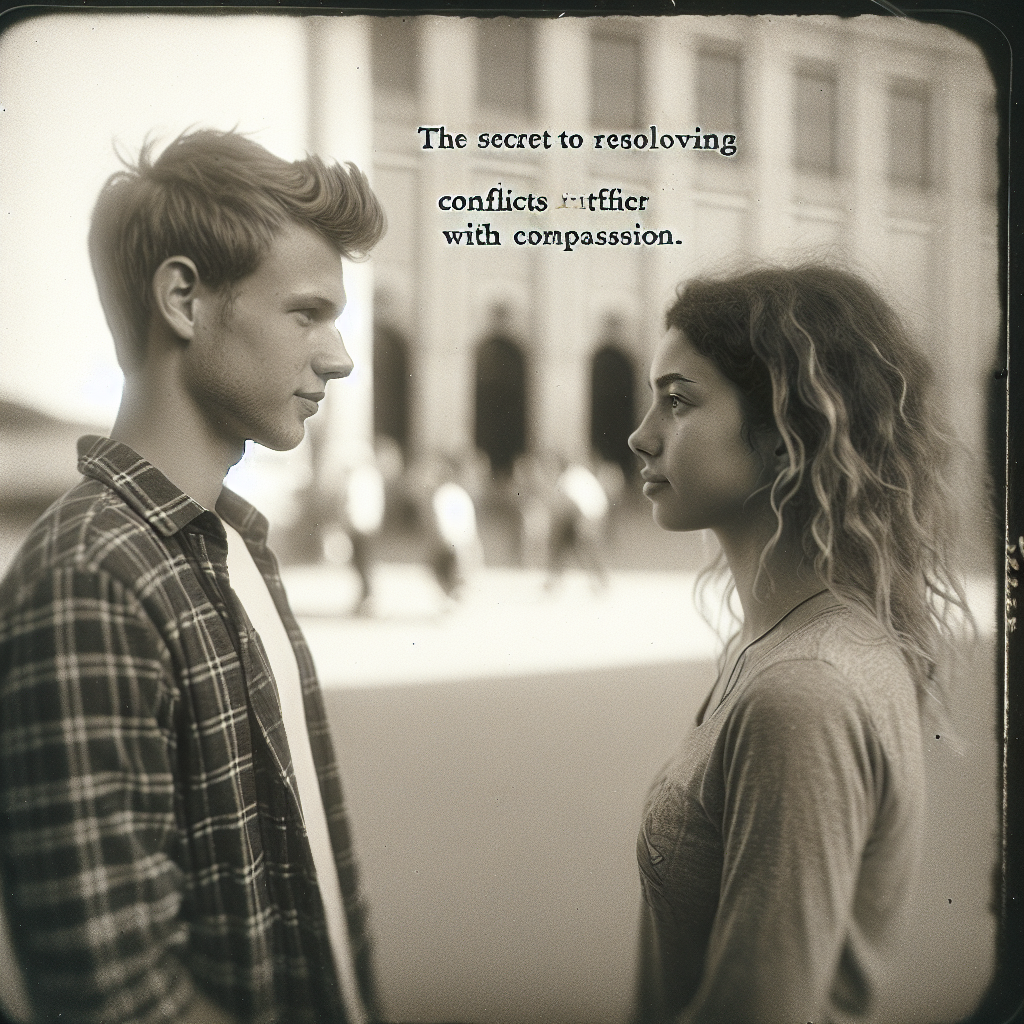
For example, ensuring I maintain an open posture while discussing a conflict signals that I’m approachable and open to the other person’s feelings. Conversely, crossing my arms might clash with my intention to be open and collaborative. Therefore, I try to remain aware of how my body language might be perceived during conversations to foster a more inviting dialogue.
Additionally, mirroring the other person’s body language fosters rapport, without coming off as insincere. When we connect on both a verbal and non-verbal level, it deepens compassion and understanding, which is crucial in resolving conflicts.
Creating Solutions Together
Brainstorming Solutions
Once we’re engaged in effective communication, I love diving into solution brainstorming. This isn’t about me coming up with all the answers, but about inviting the other person to co-create solutions with me. It emphasizes teamwork rather than blame.’)
We might sit down together, outline what challenges we’re facing, and come up with potential solutions that work for both parties. Creating a space where both of our ideas are valued reinforces collaboration and compassion, which leads to more sustainable results.
Plus, when each person contributes, there’s a greater sense of ownership and commitment to the resolution, which, in my experience, makes those solutions stick long-term.
Setting Boundaries
A crucial component in conflict resolution is establishing clear boundaries. I’ve realized the importance of expressing my limits during conflicts. Establishing boundaries is about mutual respect and dignity. It’s not just about what I can tolerate, but also affording the same respect to the opposing party’s feelings and thoughts.
During discussions, I openly communicate what I am comfortable with in our negotiations. For instance, if I feel overwhelmed, I’ll express a need to take a break instead of continuing in a heated state. Honoring these boundaries paves the way for a healthier conflict resolution process that nurtures compassion for both sides.
In doing so, I also encourage the other person to set their boundaries. It fosters a more respectful dialogue and decreases the likelihood of future conflicts, as we both become more aware of each other’s limits.
Following Up and Reflecting
After reaching a resolution, I’ve found that following up is a vital step that many folks overlook. Checking in with each other post-conflict showcases care and reinforces the solution we crafted together. It sends the message that we both value the relationship and our collaboration.
During a follow-up, we can discuss how the solution is working and if there are any adjustments needed. This is another opportunity to connect and create growth from the experience. Reflection often reveals insights that might not have been clear during the heated moment, and it’s a chance to celebrate how far we’ve come.
In addition, doing these reflections together not only strengthens our bond but also solidifies the understanding that we can face challenges together, fostering a sense of unity that transcends the conflict at hand.
FAQs
1. What are the key elements in resolving conflicts with compassion?
The key elements include understanding emotions, effective communication, and collaboration on solutions. Each step fosters a compassionate environment where both parties feel valued.
2. How can I effectively communicate during a conflict?
Using “I” statements, practicing active listening, and being aware of your non-verbal cues are essential ways to ensure effective communication during conflicts.
3. Why is empathy important in conflict resolution?
Empathy allows you to understand the other party’s perspective, which helps to validate their feelings and leads to a more compassionate resolution.
4. How do I handle my emotions during a conflict?
Take a moment to reflect on your feelings, acknowledge them, and allow yourself to express them constructively without letting them dictate your responses.
5. What should I do after resolving a conflict?
Follow up with the other person to discuss how the solution is working and reflect on the experience together, reinforcing the bond and understanding you’ve built.
Schedule Your First 20-Minute Coaching
Call With Us Today to see if we fit . You pick the price!
Click Here