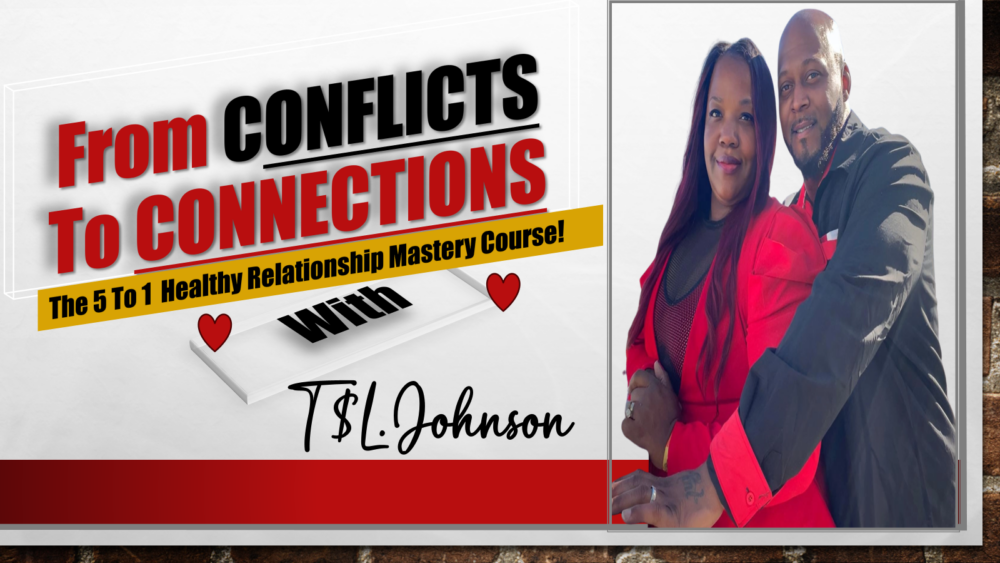
Understanding the Value of Connection
The Importance of Relationships
In my journey, I’ve often noticed how powerful genuine relationships can be. They create a sense of belonging and security. When we prioritize connection, we nurture the bonds that uplift us. It’s easier to weather life’s storms with a solid support system. That’s why focusing on our relationships—especially during disagreements—is crucial.
I remember a time when I had a fallout with a close friend. Instead of arguing my point, I reached out to understand her perspective. It was eye-opening! I realized how much I valued our friendship over being right.
In the grand scheme of things, do minor disagreements truly matter if they can jeopardize our connections? I’ve learned that it’s essential to nurture relationships, especially those that enrich our lives.
Breaking Down Barriers
Often, our instinct in conversations is to defend our beliefs fiercely. This can create walls instead of bridges. I’ve seen firsthand how vulnerable dialogues can become when we embrace an open heart.
When I let go of my pride and truly listened to others, magic happened. There were moments when my opinions shifted because I saw things from another’s viewpoint. This doesn’t mean you lose your identity; instead, it enhances your understanding.
So, how do we break those barriers? By confronting our ego and prioritizing empathy, we can create safer spaces for genuine discussions. Let’s not confuse a disagreement with an attack on our character!
Being Vulnerable
Vulnerability is often seen as a weakness, but trust me, it’s one of the strongest tools at our disposal. I’ve had moments where admitting I was wrong or uncertain transformed escalated arguments into heart-to-heart conversations.
Sharing our own fears and uncertainties can encourage others to open up as well. It creates mutual respect and lays the foundation for connecting deeper than surface-level disagreements.
Next time you feel the urge to defend your stance, try sharing a personal experience related to the topic. You might find that vulnerability invites connection instead of conflict.
Shifting Perspectives: From Competitor to Collaborator
Creating a Collaborative Environment
I can’t stress enough how powerful teamwork can be. I’ve been in countless situations where collaboration transformed contentious debates into productive brainstorming sessions. When we view each other as collaborators rather than competitors, magic ensues!
During a recent project, a disagreement erupted over the direction we should take. Instead of hurling opinions, we gathered around a whiteboard and iterated together. Everyone contributed, and what emerged was a beautiful blend of ideas that none of us could have created alone.
It’s about merging our strengths for a collective goal. I’ve come to appreciate that every voice is necessary, and when we value our unique perspectives, we succeed together.
Letting Go of the Need to Win
Winning an argument can feel exhilarating initially, but the emptiness comes swiftly. When I chose connection over winning, I discovered the immense joy in dialogue for the sake of growth.
Take a step back during those heated moments. Ask yourself: “Is being right worth the potential harm to this relationship?” You’ll often find that prioritizing connection leads to deeper insights and understanding.
It’s a challenge, I know! But once you start letting go and inviting conversation, you create a ripple effect. Others feel freer to express their opinions without the fear of silencing.
Seeing the Bigger Picture
We all have different backgrounds and stories that shape our viewpoints. When I shift my perspective to view disagreements as opportunities for learning about someone else’s narrative, magic happens.
Understanding each other’s context brings empathy and compassion into the equation. I often come out of discussions feeling enriched, not just about the topic but about the person I was conversing with.
The next time you’re in a disagreement, try framing it as an exploration of diverse stories. You’ll find that we aren’t as different as we might think!
Practicing Active Listening
The Power of Listening
Oh man, active listening is a game-changer! When was the last time you listened to respond rather than to hear? I realized a significant shift in my conversations when I made it a priority to understand before jumping into responses.
Try focusing entirely on the speaker’s words without formulating your reply in your head. It’s challenging, but so rewarding! I have experienced deeper connections when I show genuine curiosity without the pressure to respond right away.
People feel valued when they know you’re genuinely hearing them. You’ll often find that the conversation takes a productive turn when they feel acknowledged.
Reflecting Back
Reflecting back to someone what they’ve said is such a profound way to show that you’re listening. When I started doing this, I noticed how it deepened my exchanges greatly. It conveys that I’m not just hearing words but truly understanding their content and emotions.

For instance, in a disagreement with a colleague, I would summarize their concerns before sharing my thoughts. This simple act rallied us together rather than placing us in opposing corners.
Take a moment to paraphrase what someone has shared with you. Not only does it help clarify understanding, it can diffuse tension in the room. Each small act of connection builds a stronger foundation!
Asking Open-Ended Questions
Engaging someone in a conversation about their feelings requires the right questions. I’ve found that using open-ended questions can spark deeper conversations—those that allow the other person to express themselves fully without feeling immense pressure.
For instance, instead of asking, “Do you agree with this approach?” try, “What do you think about this idea?” It invites them to share their thoughts freely and opens the door for insightful dialogue.
When you empower others to voice their opinions, you welcome connection. It reinforces the understanding that each conversation is a two-way street, enriching our relationships tremendously.
Embracing Forgiveness
The Healing Power of Forgiveness
Let’s be real—holding onto grudges only weighs us down. I’ve had my fair share of grudges that kept me stagnant. Embracing forgiveness has been liberating—it showcases strength, not weakness!
Forgiving someone doesn’t mean what they did was right; it’s about freeing yourself from the emotional burden. Once I began this practice, I noticed my relationships—both personal and professional—blossomed.
It’s about realizing that we’re all human and make mistakes. By empathizing with others’ shortcomings, we create spaces for healing in our relationships.
Choosing to Move Forward
Forgiveness doesn’t always come easy, but making the conscious choice to move on is powerful. I look back at times when I’ve chosen to let go, and it’s incredible how that choice transformed not just my mood but entire relationships!
It’s essential to understand that choosing to forgive—whether with friends, family, or colleagues—can lead to growth. Each person learns and evolves; moving forward together strengthens bonds.
So the next time you feel bitterness creeping in, reflect on the value of moving forward together. You’ll create a brighter future for all involved!
Building Bridges Through Apologies
Ahh, the power of a genuine apology! I’ve witnessed firsthand how a simple “I’m sorry” can dissolve conflicts and rebuild connections. When I mustered the courage to apologize without excuses, relationships flourished like never before.
A heartfelt apology acknowledges the other person’s feelings and expresses regret. It’s crucial to be sincere; don’t throw around “sorry” like confetti. When I apologize, I aim to communicate the understanding of impact rather than just trying to clear my conscience.
Next time a rift forms, think about how an apology might start the healing process. You might be shocked at how quickly bridges get rebuilt!
Conclusion
Choosing connection over being right is all about nurturing our relationships and prioritizing understanding. Throughout my journey, I’ve discovered that connections are the backbone of our personal and professional lives.
Next time you find yourself in a disagreement, remember these lessons. It’s not the end of the world if you don’t win an argument. Focus on those beautiful connections instead!
After all, we’re all in this together. Here’s to sparking more connections and fighting less! Cheers to building a world with empathy at its core!
FAQs
What does it mean to choose connection over being right?
This means prioritizing relationships and understanding over the need to win an argument or prove a point. It’s about valuing the bond more than the disagreement.
How can I practice active listening?
Active listening involves giving your complete attention to the speaker, not interrupting, and replying thoughtfully. Techniques like summarizing their words back to them can help!
Why is vulnerability important in conversations?
Being vulnerable fosters trust and deepens connections. When you’re open about your feelings or uncertainties, it encourages others to do the same, leading to richer dialogues.
How do I apologize effectively?
A genuine apology acknowledges the other person’s feelings and conveys regret without excuses. It’s essential to communicate sincerely and aim for resolution.
What are some ways to diffuse a heated conversation?
Share personal experiences, demonstrate empathy, and focus on collaborative problem-solving. Asking open-ended questions also helps redirect the conversation to a more constructive dialogue.

Schedule Your First 20-Minute Coaching
Call With Us Today to see if we fit . You pick the price!
Click Here