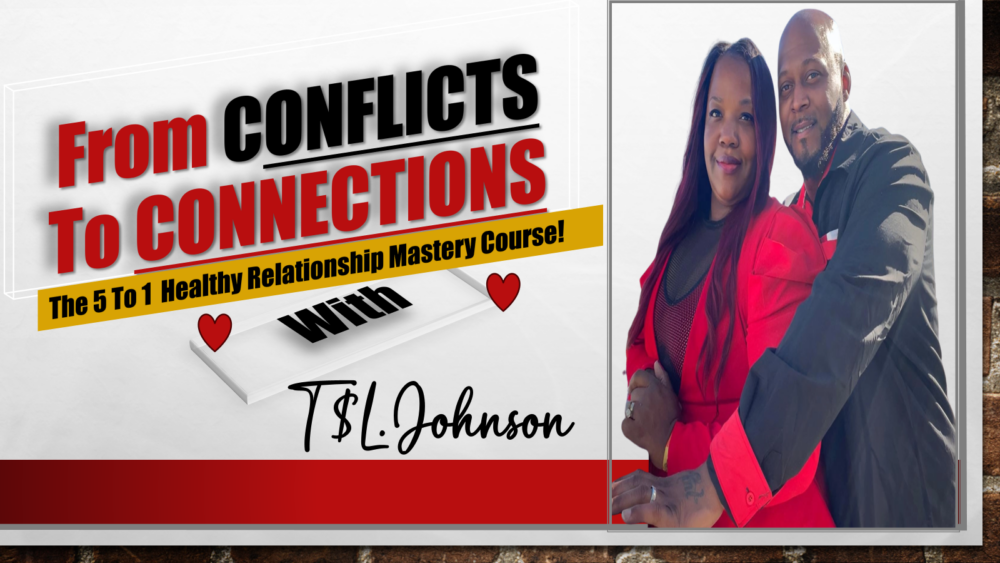
Understanding the Importance of Mindful Communication
What is Mindful Communication?
So, let’s kick things off with a little introduction to what mindful communication even is. In my experience, it’s really about being aware and present during conversations. It’s not just about listening; it’s about actually hearing what’s being said, absorbing the emotions behind the words, and responding thoughtfully. Mindful communication has helped me navigate some pretty tricky situations, and I can’t stress enough how vital it is.
When we practice mindful communication, we’re not just exchanging information; we’re building connections. It’s about creating an environment where people feel safe to express their feelings. I remember a time when I felt unheard, and it was utterly frustrating. Once I started to incorporate mindfulness into my interactions, I noticed a shift—not just in how I communicated, but how others responded to me.
Mindful communication fosters empathy. It allows us to step back and consider the perspective of the other person. When we align ourselves with this kind of awareness, we can transform conflicts into opportunities for understanding and growth rather than just pushing our points across. It’s a game-changer!
The Benefits of Mindful Communication
Let’s chat about the perks of practicing mindful communication. First off, it enhances our relationships—big time! When you communicate mindfully, you learn to express your thoughts and feelings without judgment or assumptions. This, in turn, reduces misunderstandings, which are often the root of conflict. I’ve seen this firsthand in my relationships, and trust me, open communication leads to deeper connections.
Another benefit is emotional regulation. Have you ever found yourself reacting emotionally during a discussion? I know I have. Mindful communication helps me to pause, take a breath, and respond rather than react. By doing this, we not only protect ourselves from escalating situations but also show respect for the feelings of others. It’s like giving your brain a mini-break to process before responding, which works wonders!
Lastly, practicing mindful communication can boost our overall well-being. It promotes a peaceful mindset and encourages us to focus on the positives rather than getting caught up in negativity. I can say from my own journey that it’s not always easy, but it feels so rewarding to move past hurt and into healing through conscious dialogue.
Barriers to Mindful Communication
Of course, nothing worthwhile comes without challenges, right? One major barrier is our own biases and preconceived notions. When I step into a conversation with an agenda or a fixed mindset, I often miss the opportunity to truly understand the other person. It’s essential to check our biases at the door and approach discussions openly. This is something I’ve had to learn the hard way!
Another barrier is emotional triggers. Some topics can ignite strong feelings that lead to impulsive reactions. I’ve been there—one comment can throw me off my game, and before I know it, I’m in a heated debate rather than a constructive conversation. Mindfulness allows me to recognize these triggers and slow down. By doing so, I can reshape my communication instead of letting my emotions derail the dialogue.
Lastly, technology can sometimes get in the way. Let’s be real; texting and social media often lack the nuances of face-to-face discussions. I’ve had experiences where my intentions got misinterpreted through a text message. Limiting our reliance on digital communication can help maintain a level of mindfulness and connection that’s so vital for healthy discourse.
Nurturing a Mindful Communication Practice
Setting Intentions
Every good practice starts with intention, right? Before engaging in a conversation, I’ve found it helps to set an intention. Am I aiming for connection, understanding, or resolution? This little mental note keeps me focused and grounded. It’s like gearing up for a race; if I’m clear on my goal, I’m more likely to stay on track.
Being specific helps, too. Instead of just thinking, “Let’s talk,” I’ll remind myself of what I hope to achieve—maybe it’s resolving a conflict or simply showing support. When we set these intentions, we’re setting the stage for a more meaningful dialogue, and that’s something I’ve come to cherish.
Over time, I’ve learned to communicate these intentions to the other person. It creates a shared understanding of the conversation’s purpose, and believe it or not, it makes a massive difference. My conversations feel more productive and fulfilling because everyone feels heard and respected!
Active Listening Techniques
Active listening is absolutely crucial when it comes to mindful communication. This means really focusing on the speaker, not just waiting for my turn to talk. I’ve taken notes during conversations just to keep myself grounded and present. It’s tempting to zone out or get distracted, but the effort pays off in stronger relationships.
I also try to paraphrase or summarize what the other person says. By doing this, I’m showing them that I’m invested in the conversation and genuinely want to understand. It’s a simple technique, but it creates an atmosphere where everyone feels valued. Plus, it often leads to deeper discussions and insights.
Finally, asking open-ended questions is a game-changer. Instead of going for one-word answers, I encourage the speaker to share more about their thoughts and feelings. This not only shows that I care but also helps to deepen the dialogue. Trust me, it can turn a surface-level conversation into something incredibly enriching!
Practicing Empathy and Compassion
Empathy is often underrated in communication. I’ve come to realize that stepping into someone’s shoes—even for a moment—can shift everything. When I practice empathy, I approach conversations without judgment. This means letting go of my preconceived notions and instead, trying to understand where they’re coming from. It’s messy at times, but so rewarding!
Compassion goes hand in hand with empathy. When someone is sharing something painful, it’s essential to validate their feelings. I’ve learned that even a simple acknowledgment can go a long way—making them feel understood. Because, let’s be honest, we all just want to be heard! That validation builds trust and opens the door to healing.

Another way to practice compassion is through non-verbal communication. Simple gestures like nodding, maintaining eye contact, or offering a reassuring smile can create a welcoming environment. I’m a firm believer that the words we say are only a part of the message; our body language communicates just as loudly!
Integrating Mindful Communication into Daily Life
Making an Intentional Habit
Integrating mindful communication into daily life doesn’t happen overnight; it takes practice. I started by being intentional about my conversations, setting reminders for myself to pause before responding. Creating this habit can feel awkward at first, but I promise it gets easier. It’s like developing any new skill—the more we practice, the more natural it becomes.
One trick that has worked for me is keeping a journal. I jot down my thoughts after a particularly meaningful conversation, reflecting on what went well and what could be improved. This process of reflection helps reinforce the lessons learned and makes it easier to apply them in the future.
Finally, I try to surround myself with like-minded people. Sharing my journey of practicing mindful communication with friends encourages an environment of openness. It’s about building a community that thrives on honest and heartfelt conversations, which fuels our growth together!
Deepening Relationships
As I began to embrace this mindful approach, I’ve noticed my relationships evolving. By prioritizing open dialogue and genuine connections, I’ve been able to deepen my bonds with my friends and family. When we communicate with mindfulness, it allows for more profound levels of intimacy and understanding. One of my friends even told me it feels safe to talk about anything now—and that just warms my heart!
I’ve started initiating more heartfelt conversations with individuals I care about. Reaching out to spend one-on-one time—without distractions like phones or TV—has opened up the floodgates for meaningful dialogue. I love hearing their stories and sharing my own, all grounded in mutual respect and understanding.
Long story short, my relationships are flourishing! The more we practice mindful communication, the more we can appreciate and celebrate the unique perspectives that each person brings to the table. It’s honestly beautiful to witness!
Creating a Safe Environment for Discussion
Lastly, creating a safe space for mindful communication is foundational. I always aim to foster an environment where everyone feels comfortable expressing themselves without fear of judgment or criticism. This means being patient, acknowledging differing views, and making an effort to ensure everyone’s voice is heard.
One aspect I’ve found essential is timing. Sometimes, the moment isn’t right for a heavy conversation. I’ve learned to be sensitive to the vibes of those around me, as it’s crucial to choose the right time to dive into deeper discussions. This awareness goes a long way in promoting safety and comfort.
Lastly, I encourage vulnerability. When I share my own struggles, it opens up the floor for others to share theirs. By showing that it’s okay to be human and imperfect, I’ve created an atmosphere of authenticity that nurtures genuine communication. The trust built here is invaluable!
Conclusion
In closing, the journey from hurt to healing through mindful communication is an ongoing process. It requires patience, empathy, and a commitment to growth. By prioritizing mindful interactions, we pave the way for stronger connections and a more profound understanding of one another. I know from personal experience how transformative this approach can be, and I hope you feel inspired to start your own journey toward mindful communication!
FAQ
What is mindful communication?
Mindful communication is about being present and fully engaged in conversations. It involves actively listening, responding thoughtfully, and being aware of the emotions involved in the exchange.
How can I practice active listening?
Active listening can be practiced by focusing fully on the speaker, summarizing what they say, and asking open-ended questions. This shows that you value their input and encourages a deeper dialogue.
What are some barriers to mindful communication?
Barriers include personal biases, emotional triggers that might lead to reactive responses, and reliance on technology for communication, which can often miss the nuances of face-to-face interaction.
How do I set intentions for a conversation?
Before starting a conversation, think about what you want to achieve. Whether it’s understanding, connection, or resolution, having a clear intention helps guide the dialogue in a productive direction.
Why is empathy important in communication?
Empathy allows you to understand others’ perspectives and feelings, fostering deeper connections and reducing misunderstandings. It’s essential for creating safe and open dialogues.

Schedule Your First 20-Minute Coaching
Call With Us Today to see if we fit . You pick the price!
Click Here