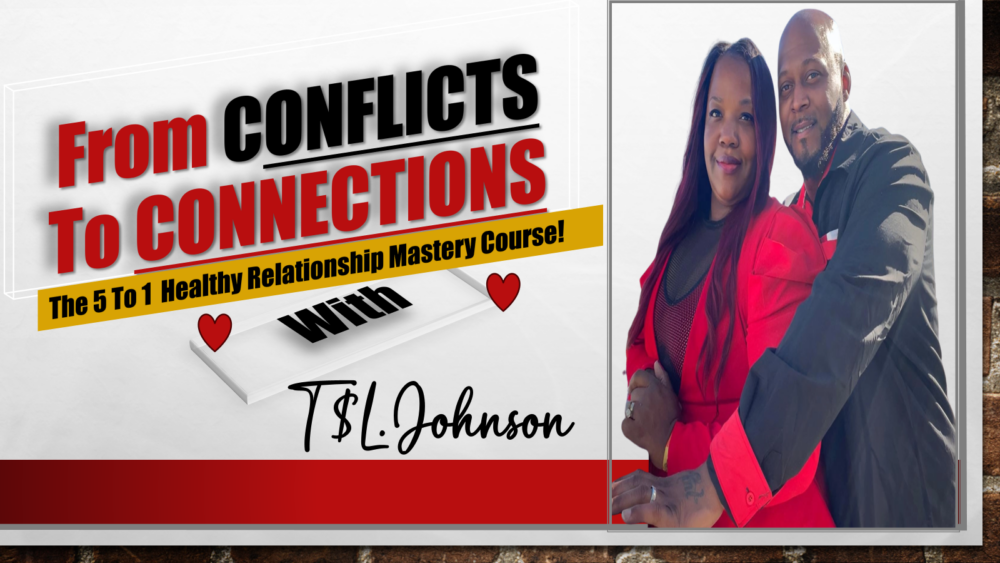
Understanding the Importance of Being Heard
1. The Foundation of Connection
When I think about what it means to be truly heard, I immediately feel a warmth in my chest. Being heard is more than just words bouncing back and forth; it’s about building a connection that makes us feel close, valued, and understood. This foundation of connection is vital, especially when life gets tough, and we need someone to simply listen.
I’ve had my fair share of moments when I felt alone and overwhelmed. In those times, just having someone listen to my struggles made a world of difference. It’s in those listening moments that we often find comfort, support, and clarity, allowing us to express emotions we might not be able to articulate otherwise.
Establishing this connection fosters empathy and understanding, which can transform mundane conversations into heartfelt exchanges. So, whenever you find yourself on the listening end, remember—your presence can be a gift that uplifts someone’s spirits.
2. Psychological Benefits of Being Heard
There’s some real magic in the psychological benefits that come with being heard. Personally, I’ve felt lighter after sharing my thoughts with someone who was just there, nodding along and soaking it all in. It’s as if a weight has been lifted off my shoulders. Science backs this up, showing that people who feel heard experience reduced levels of stress and anxiety.
Moreover, feeling heard can boost our self-esteem. When our thoughts and feelings are validated, we become more confident in expressing ourselves in the future. I’ve learned that it’s not just about talking; it’s about being acknowledged and valued for who we are and what we think.
On my journey, I’ve discovered that when I listen to others, I also receive these psychological rewards. There’s something incredibly fulfilling about making someone feel validated, knowing that your attention can bring them that much-needed relief.
3. Improving Communication Skills
When I actively listen to others, I’ve found that my own communication skills improve exponentially. It’s not just about hearing words; it’s about truly understanding and responding with empathy. Listening carefully helps refine our ability to articulate our feelings and perspectives, transforming us into better communicators overall.
In practice, I’ve learned to ask open-ended questions. This not only encourages deeper conversations but also reinforces the other person’s desire to share. It’s fascinating how opening this dialogue often leads to profound revelations—not just for them, but for me too.
Additionally, being a good listener teaches us patience. I’ve realized that it’s easy to jump in with our thoughts, but sometimes, just taking a step back and allowing space for silence can lead to genuine insights. It’s all about nurturing the art of communication.
Navigating Difficult Conversations
1. Preparing for Tough Talks
Ah, tough talks—those dreaded yet essential parts of life. I remember a specific moment when I had to discuss something very sensitive with a close friend. It required a lot of mental prep. Before diving in, I made sure to gather my thoughts. I noted key points I wanted to cover, ensuring I didn’t veer off course.
However, it’s not just about what you say but how you approach the conversation. I always find it helpful to set a warm tone from the start. A gentle opening can make the other person more receptive to really hearing you out.
No matter how daunting the conversation might seem, I’ve learned that preparation can change the game. I encourage you to take the time to gather your emotions and thoughts before addressing sensitive topics.
2. Creating a Safe Space
One key takeaway for me is that creating a safe space is paramount in sensitive conversations. I often pay attention to my surroundings and the vibes I emit. Lights are dimmed, distractions are minimized, and I ensure that we’re in a comfortable setting. When we feel comfortable physically, it’s easier to dig into emotional topics.
For instance, I frequently use affirmations, letting the other person know that their feelings matter. Phrases like “I’m here for you” or “It’s okay to share” can work wonders in easing tension.
Remember, the heart of the matter is compassion. I’ve gained so much from simply allowing someone to express themselves without fear of judgment. And when I can establish that trust? Incredible discussions unfold.
3. Active Listening Techniques
Active listening is an art form that I practice daily. It involves not just hearing, but truly engaging with the speaker. I find myself giving non-verbal cues, like nodding or maintaining eye contact, to show that I’m present. It’s essential for building trust and encourages deeper dialogue.

I also make a point to paraphrase what the other person says. This not only clarifies any misunderstandings but allows the speaker to feel understood. It’s amazing how a simple rephrasing can prompt someone to explore their feelings even further.
Another technique I love is summarizing at the end of our discussion. It helps both parties feel aligned and ensures we were on the same page throughout the conversation. Active listening has unfolded countless meaningful insights in my life, and I can’t emphasize enough how impactful it is.
The Ripple Effect of Being Heard
1. Strengthening Relationships
One thing I’ve come to appreciate is the ripple effect of being heard—it doesn’t just stop with the individual. I’ve witnessed firsthand how being a good listener strengthens relationships. It creates a foundation of trust that makes it easier to tackle future challenges together. Closer bonds are formed simply because someone expressed their feelings and felt valued in return.
Each of my friendships has grown deeper through shared experiences of being heard. It’s heartwarming to know that you can foster deeper connections just by being present and engaging with someone on a meaningful level.
Even in workplace settings, having a culture of listening can dramatically uplift team dynamics. Trust within teams increases and can lead to more collaboration and a stronger sense of belonging. I’ve experienced this firsthand, and trust me, it’s worth the effort!
2. Creating a Supportive Environment
Being heard transforms environments, whether at home, work, or with friends. When we listen actively, we foster a more supportive atmosphere. I love how I can contribute to an environment where everyone feels comfortable sharing their thoughts without fear of backlash.
This supportiveness doesn’t just come from individuals; it can manifest as a collective goal for teams and communities. Just imagine—doing this consistently creates a culture of growth and understanding. It was a game-changer in my workplace, where leaders began to prioritize listening as a key component of their strategy.
So, I encourage you to think about your surroundings and whether you’re the listener or just speaking. Each of us can nurture an environment where everyone feels free to express their feelings, fostering a sense of empowerment for everyone involved.
3. The Long-Term Impact
The long-term effects of being heard often astound me. As time passes, I witness individuals who feel valued becoming more compassionate themselves. They pass on the gift of being heard to others in their own lives, creating a beautiful cycle of empathy and understanding.
Looking back, I see how some of the most impactful moments in my life were rooted in simply lending an ear to someone when they needed it most. Those simple acts have far-reaching effects that contribute to a kinder world.
Ultimately, the gift of being heard leads to stronger communities. We create legacies of compassion, growth, and unity that are vital in today’s sometimes chaotic world. I’m proud to be part of that evolution.
FAQs
1. Why is it important to be heard?
Being heard fosters connection and understanding, which can be incredibly comforting during tough times. It helps reduce stress and promotes better communication.
2. What can I do to be a better listener?
Practice active listening techniques such as maintaining eye contact, nodding, and summarizing what the speaker says. Creating a safe space encourages openness.
3. How can I navigate difficult conversations?
Prepare your thoughts beforehand, create a comfortable environment, and employ active listening techniques. This approach can lead to more meaningful discussions.
4. What impact does being heard have on relationships?
It strengthens bonds by building trust and empathy. When both parties feel valued, it leads to deeper, more meaningful relationships.
5. How can being heard create a supportive environment?
A supportive environment is fostered when individuals feel comfortable sharing their thoughts and feelings. This openness can lead to greater collaboration and understanding.

Schedule Your First 20-Minute Coaching
Call With Us Today to see if we fit . You pick the price!
Click Here