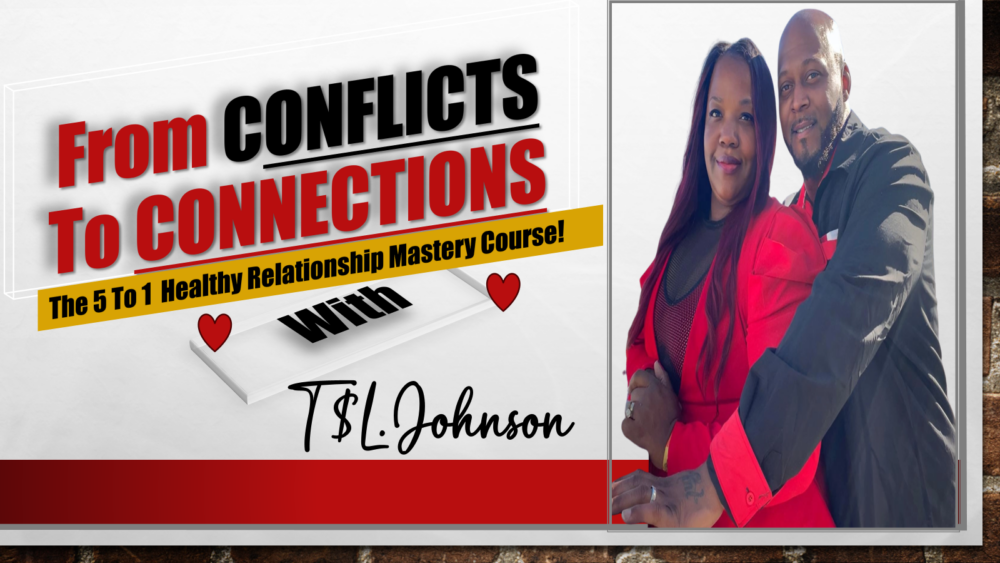
The Impact of Words on Emotions
Understanding the Connection
I’ve always believed that words hold immense power. The way we choose to express ourselves can shape our interactions and influence how we feel. It’s not just about the literal meaning but also the emotions behind what’s being said. In my experience, understanding this connection has been instrumental in growing my relationships.
When I took the time to reflect on the words I was using, I noticed a difference in the way I engaged with others. Using words that emphasized kindness and empathy transformed conversations from mundane exchanges to heartfelt discussions. This shift wasn’t just beneficial to others; I found that it also calmed my own emotional storms.
Words can be healing; they can elevate us from a place of tension to one of tenderness. And I’ve seen it happen time and again—both for myself and for those around me. Whether you’re talking to a friend, a partner, or even expressing yourself through writing, the words you choose can alter the very fabric of your communication.
Practicing Empathy through Language
The Importance of Active Listening
One of the most profound lessons I’ve learned is the importance of active listening. It’s not just about hearing the words; it’s about understanding the emotions that come with them. Every time I remember to listen more than I speak, I unlock a new level of connection with others.
This practice allows the other person to really feel heard and valued. When I approach conversations with this mindset, I often feel the tension dissolve. Suddenly, we’re two people sharing our stories rather than opponents in a debate.
Active listening has also helped me craft my responses with more care. By taking a moment to consider the other person’s feelings, I’m able to reply in a way that promotes tenderness rather than escalating tension. It’s all about creating a space for healing in our interactions.
Choosing Your Words Wisely
The Power of Positive Language
Choosing words that have a positive connotation can work wonders when it comes to communication. I’ve found that framing my thoughts in a constructive light not only changes how others perceive my message, but it also influences my own perspective. The very act of opting for positivity can lift my spirits and those around me.
For instance, instead of saying “I can’t,” I’ll switch it up to “I’ll try my best.” This tiny change has made a world of difference. It opens doors rather than slamming them shut. It brings forth a sense of hope that fosters tenderness instead of tension.
When we consciously choose words that uplift, we create an environment that’s conducive to healing and understanding. And trust me, this doesn’t just apply to deep conversations. Practicing positive language in everyday discussions changes the overall vibe and fosters an atmosphere of support.
Words as Tools for Healing
Sharing Vulnerable Experiences
There’s something incredibly powerful about being open and vulnerable with our words. I learned this the hard way—by bottling up my feelings and avoiding tough subjects, I was only creating more disconnection. But when I started sharing my vulnerable experiences, I found a new path to healing not just for myself, but also for others.
Expressing my challenges and struggles allowed me to connect with others on a much deeper level. It turns out that when I shared my scars, I invited others to do the same. This exchange was often met with compassion and understanding, and it shifted our conversations from surface-level chatter to meaningful discussions.

Every time I opened up, I could feel the weight of my tension lifting, and I could see the same in others. This willingness to share feelings, fears, and hopes is transformative. It captures the essence of tenderness in our interactions and serves as a powerful reminder that we are not alone in our journeys.
The Art of Forgiveness through Words
How Apologies Heal Relationships
A sincere apology can mend wounds and dispel tension like nothing else. I’ve experienced the miracle that comes with saying “I’m sorry.” It takes courage, but it’s one of the most healing acts I’ve learned to master in my own life. The power of an apology isn’t just in the words; it’s in the intention behind them.
When I apologize, I don’t just acknowledge the mistake—I try to understand how my actions hurt the other person. This reflection adds depth to my expression of regret and conveys authenticity. It opens the door for dialogue and lays the groundwork for rebuilding trust.
Forgiveness isn’t always immediate, and that’s okay. By expressing remorse and taking responsibility, I find that I create space for healing. In doing so, we transform our relationships from places of tension into ones filled with tenderness and understanding.
Conclusion
Words truly have the potential to heal and transform our relationships. From practicing empathy to choosing positivity in our speech, these lessons have reshaped how I connect with others. Each interaction is an opportunity to move from tension to tenderness, allowing healing to flourish. Remember, the next time you speak, you hold the power to make a difference.
FAQs
What does “from tension to tenderness” mean?
The phrase refers to the journey of communication where initial discomfort and conflict can transform into understanding and compassion through thoughtful conversation.
How can I practice using words to heal relationships?
You can start by being mindful of your language, embracing active listening, and choosing words that promote positivity and openness when communicating with others.
Why is vulnerability important in communication?
Vulnerability leads to deeper connections and trust. Sharing your experiences encourages others to open up, fostering a culture of empathy and understanding.
Can practicing positive language change my perspective?
Absolutely! When you actively choose positive words, it not only affects how others see you but can also shift your own mindset towards optimism and hope.
What role does forgiveness play in healing conversations?
Forgiveness allows for the release of pent-up emotions. A genuine apology can reset relationships, inviting tenderness and allowing healing to take place.

Schedule Your First 20-Minute Coaching
Call With Us Today to see if we fit . You pick the price!
Click Here