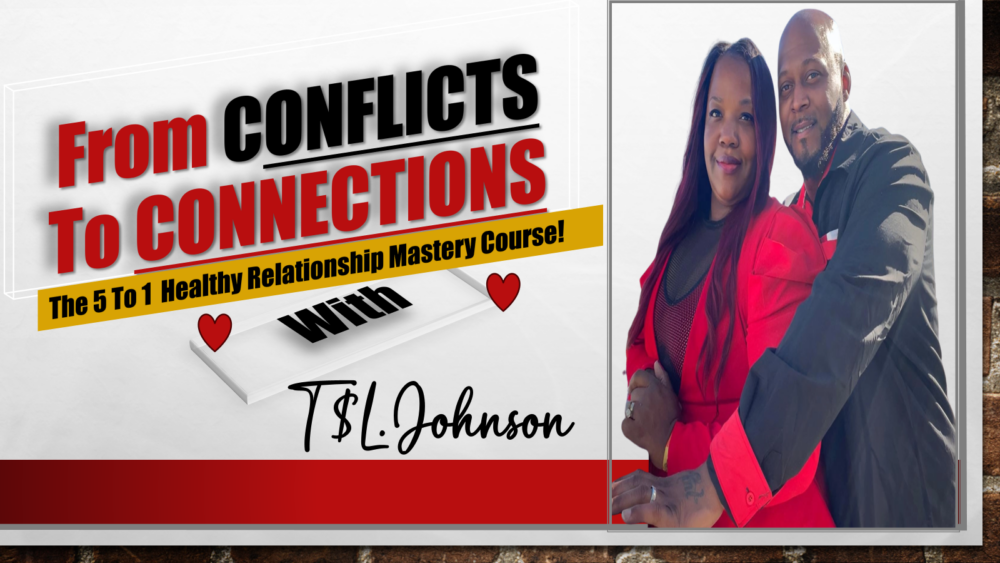
Hey there! Let’s chat about something we’ve all experienced at one time or another: small misunderstandings. They can happen anywhere, whether in a casual conversation with a friend or a more serious discussion in the workplace. The good news? I’ve learned some effective strategies over the years that have helped me keep those pesky misunderstandings from escalating. Let’s dive into these five crucial areas together!
Communicate Clearly
Be Direct and Honest
One of the best ways I’ve found to prevent misunderstandings is by being direct. It’s tempting sometimes to dance around an issue or to be overly polite, but when you’re clear and honest about your thoughts and feelings, it makes a world of difference. For instance, if I feel uneasy about a project direction, I won’t hesitate to express my concerns directly. This avoids any guesswork or assumptions from the other person.
When you share your thoughts candidly, you create an environment of transparency. This encourages others to do the same. It’s like setting the stage for an open dialogue where everyone feels safe to express their concerns without fear of misunderstanding.
So, remember: honesty is your best friend. Just be mindful about the delivery—being direct doesn’t mean being harsh or rude. It’s all about striking that balance!
Ask Questions
When I’m in a conversation and something doesn’t quite make sense, my go-to reaction is to ask questions. Instead of assuming I’ve understood everything correctly, I clarify. Questions like “Can you help me understand that better?” or “What do you mean by…?” can really clear up the fog.
Asking questions not only helps eliminate confusion but also shows the other person that I care enough to listen actively. It creates a collaborative atmosphere where both parties can work towards a mutual understanding.
The art of questioning is invaluable. It turns a potentially tense situation into an insightful exchange, one where both sides walk away a little wiser!
Use Simple Language
Let’s face it; we all use jargon or complicated phrases sometimes without realizing it. To prevent misunderstandings, I try to keep my language as simple as possible. This is especially important in diverse groups where not everyone may be on the same page regarding certain terms or expressions.
By using straightforward language, I ensure that everyone understands exactly what I mean. For example, I prefer saying “Let’s meet tomorrow” instead of “Let’s converge during the morrow,” which is just over the top! Simplicity goes a long way.
It’s like having a cheat code for clearer communication. Less confusion means fewer chances for misunderstandings to arise.
Practice Active Listening
Pay Attention to Non-verbal Signals
Another killer strategy I’ve picked up is paying close attention to non-verbal signals. Body language, facial expressions, and tone can say a lot more than words sometimes! I make it a point to observe them closely, as these clues often provide a deeper understanding of what the speaker is genuinely conveying.
For instance, if someone seems hesitant or uncomfortable while discussing a topic, I know there’s more beneath the surface. I can then address their concerns directly—this shows them that I’m not just hearing them but really tuning in. It’s all about picking up on those vibes!
This level of attention not only helps clarify the speaker’s intent but also fosters connection. After all, it shows you care, and no one likes to feel ignored!
Reflect and Summarize
Often, I find it beneficial to summarize what someone has said before jumping into my response. I might say something like, “So what I’m hearing is…” This step allows both parties to confirm that their understanding is on point before getting lost in the discussion.
By reflecting back their thoughts, it reassures the speaker that you’re engaged and respect their perspective. It’s also a great way to clarify any misinterpretations early on, saving everyone a lot of hassle further down the line.
This practice also shows that I value their input. It’s a little effort that can lead to a much smoother discussion!
Provide Feedback
Feedback is essential in communication. When I share my thoughts on something, whether positive or negative, I try to do it constructively. Rather than saying, “That won’t work,” I might say, “Have you considered this approach?” Offering constructive feedback invites dialogue and encourages collaboration instead of defensiveness.
It’s vital to frame feedback in a way that promotes growth. This way, we keep the discussion moving positively, ensuring both parties feel heard and respected.
It also creates a supportive environment where sharing ideas becomes a two-way street. If we’re both in it together, misunderstandings are way less likely to rear their ugly heads!
Stay Calm and Collected
Manage Your Emotions
We’ve all been there: a small misunderstanding happens, and suddenly emotions flare. I find that taking a step back and managing my responses can defuse many tense situations. If I feel myself getting worked up, I try to take a deep breath and collect my thoughts before reacting.
This self-control not only helps me think more clearly but shows the other person that I’m trying to keep the dialogue respectful. It’s hard to get tangled up in misunderstandings when you’re approaching the conversation with a calm mindset.
So, my advice? When things get heated, take a pause. It’s amazing how taking a moment can help clear your mind and lead to more constructive dialogue!

Transform Your Conflicts Into Connections
Use Humor Wisely
Sometimes, laughter really can be the best medicine. When misunderstandings creep in, a little lightness can ease the tension. I’ve found that sharing a light-hearted joke related to the misunderstanding can break the ice.
However, be careful with humor; it’s crucial to read the room. Make sure your joke is appropriate and won’t come off as dismissive or belittling. Used wisely, humor can turn a tricky situation into a moment of camaraderie.
Remember, it’s all about bringing people together. A shared laugh can often make misunderstandings feel smaller, allowing you to tackle the issue together.
Know When to Walk Away
If things start to escalate beyond a reasonable point, sometimes it’s best to call it a day. I’ve learned to recognize when continuing a conversation might lead to more misunderstandings or heated exchanges. Walking away isn’t a sign of failure; it’s a sign of maturity.
When I choose to step back, I signal to the other person that I want to have a constructive conversation, not a battle. It’s a chance for both of us to cool off and return to the conversation with a clearer head.
Walking away doesn’t mean it’s over; it simply means we’ll be better equipped to address the issues at hand later. And that’s a win-win!
Build Strong Relationships
Establish Trust
Trust is the foundation of any good relationship. Over time, I’ve learned that building trust reduces misunderstandings. When people trust each other, they’re more likely to communicate openly and honestly. I work hard to establish that trust through consistent actions and transparency in my communications.
When others know they can rely on me to be truthful and respectful, it’s like having an unspoken agreement that helps prevent misunderstandings from even popping up in the first place. It creates a safe environment where everyone feels valued.
Trust is built, one conversation at a time, and the payoff is worth every effort! It saves time, energy, and, well, a whole lot of stress.
Get to Know Each Other
Taking the time to get to know your colleagues or friends can make a big difference. I tend to invest some time in informal chats that help strengthen our rapport. The more I know about them, the easier it is to understand their perspectives and reactions.
This relationship-building helps me interpret their communications better and fosters empathy. For instance, knowing a friend’s busy schedule can help me understand why they might be short with me. So, take the leap and engage with people beyond the work discussions!
Understanding their backgrounds, interests, and even their quirks can be a game changer. It makes your interactions richer, reducing the chances of misunderstanding.
Encourage Open Dialogue
Finally, promoting an environment where everyone feels safe to voice their thoughts can work wonders. I’ve always made it a priority to encourage open communication—so everyone knows their opinion matters. It’s amazing how much clarity can come from just allowing people to speak up.
I emphasize that discussions should be respectful and constructive, creating a platform for everyone to express their opinions without fear of judgment. When people know they can share their thoughts without backlash, misunderstandings naturally diminish.
It’s all about fostering a culture of respect and understanding. When we feel free to communicate openly, clarity reigns!
Conclusion
There you have it—my personal take on preventing small misunderstandings from escalating into bigger issues. It takes effort, patience, and a genuine willingness to connect with others, but the rewards are well worth it. Clear communication, strong relationships, and a calm mindset can go a long way in creating a more harmonious environment, whether personal or professional. So, let’s keep those misunderstandings at bay!
FAQ
Why is communication important in preventing misunderstandings?
Clear communication ensures that everyone is on the same page. When people express themselves clearly, it minimizes the chances of misinterpretation, leading to smoother interactions.
How can one practice active listening?
Active listening involves fully concentrating on what the speaker is saying, allowing you to better understand their message. This can be achieved by avoiding interruptions, reflecting back on what they say, and paying attention to their body language.
What role does trust play in communication?
Trust creates an environment where individuals feel comfortable expressing their thoughts without fear of judgment. This openness significantly reduces misunderstandings as people are more likely to communicate honestly when they feel secure.
When should I consider walking away from a conversation?
If a discussion is becoming heated or unproductive, walking away can be a wise choice. It gives both parties time to cool off and return to the conversation with a clearer mindset.
How can humor help in preventing misunderstandings?
Humor can lighten the mood and ease tension during difficult conversations. However, it’s important to use it wisely to ensure it doesn’t offend or trivialize the issue at hand.

Schedule Your First 20-Minute Coaching
Call With Us Today to see if we fit . You pick the price!
Click Here