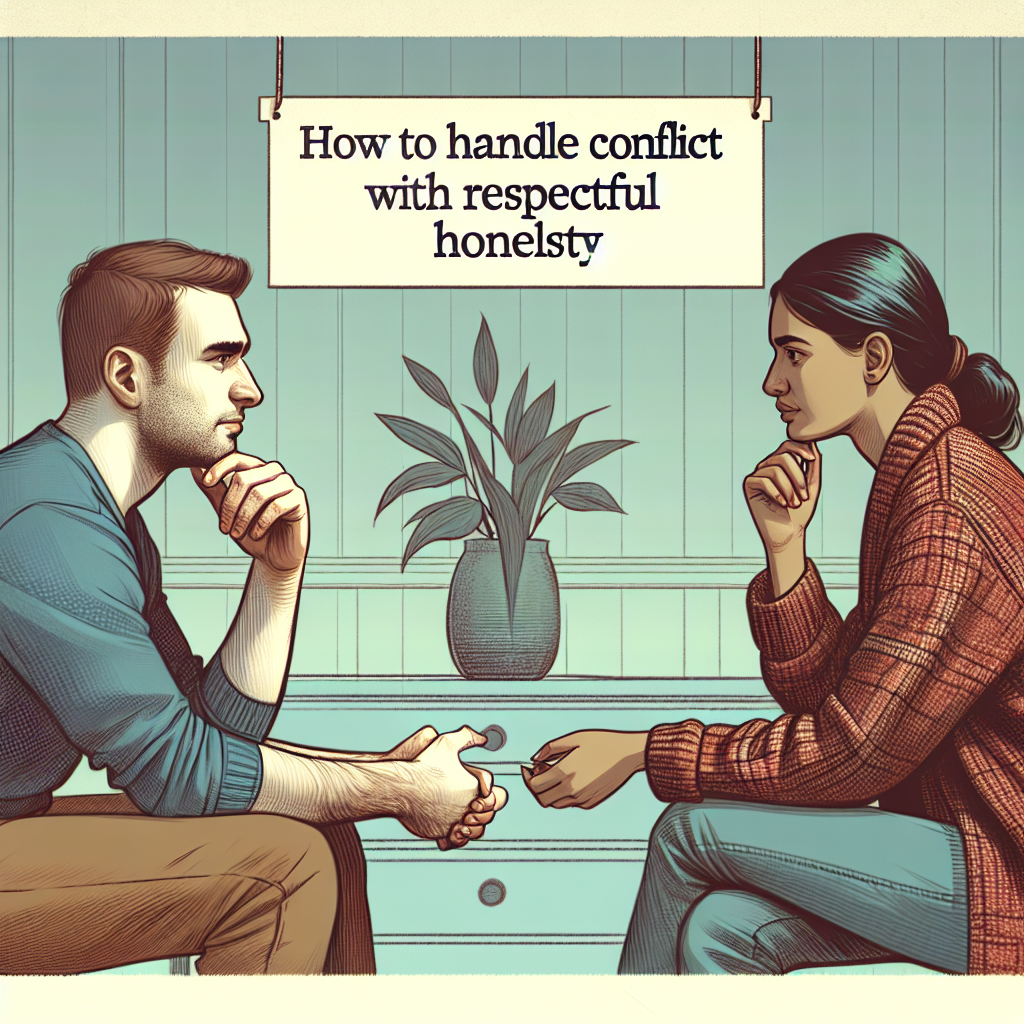
Understanding the Importance of Patience
Why Patience Matters in Relationships
Alright, let’s get real for a second. Patience is one of those virtues that sounds nice but doesn’t always come naturally, right? In any relationship, be it romantic or otherwise, patience can transform how we communicate and connect with each other. When we practice patience, we create a safe space for our partners to express themselves without the fear of being judged or rushed.
I’ll tell you what, when I started really looking at patience, I noticed how much more relaxed I felt during conversations. Instead of jumping in with my thoughts, I learned to listen. This small change led to more meaningful dialogues, and honestly, it saved me from a lot of unnecessary arguments.
It’s all about understanding that we’re all works in progress. When you cultivate a mindset of patience, you start to recognize that your partner is navigating their own journey. You both deserve the grace of time and understanding as you share your lives together.
Recognizing Your Progress
So many times, we overlook our own growth, don’t we? Keeping track of how you’ve become more patient might seem trivial, but it really isn’t! Acknowledging your steps forward can give you that extra motivation to keep going. I like to reflect on those moments when I’ve successfully held back my urge to react too quickly and instead took a deep breath.
It’s also crucial to celebrate the small victories. Did your partner share something important and you didn’t interrupt? Boom! Patience points for you! Reflecting on these improvements helps reinforce the behavior, making it more likely that you’ll keep practicing it.
Take some time to jot down these instances. A gratitude journal specifically for your relationship can help keep you grounded and focused on the positives rather than the challenges.
How Patience Builds Trust
Patience and trust go hand in hand. When I show patience, I signal to my partner that I trust them to handle their feelings, thoughts, and decisions. It’s like saying, “Hey, I believe in you!” This kind of encouragement works wonders in helping both partners feel more secure.
On the flip side, when impatience creeps in, it can erode trust faster than anything else. Think about those moments when you’ve felt rushed or dismissed. That creates a huge barrier between you and your partner. So, practicing patience fuels an environment where trust can flourish. It’s a win-win!
Also, don’t underestimate the power of forgiving moments of impatience in your partner. We’re all human. When I’ve been on the receiving end of a lapse in patience, I try to remind myself that nobody’s perfect, and we all trip up from time to time.
Practicing Active Listening
Why Listening is Key
Let’s get into the meat and potatoes here: active listening. This isn’t just about hearing the words; it’s about soaking in how your partner feels. For me, it was a game changer when I started genuinely trying to listen. Think of it like a musical rhythm; if you’re not in sync, the harmony is off!
When you really listen, you gather so much more than just information; you gather emotions, context, and nuances that can completely change your understanding. I’ve discovered that listening deeply makes a person feel valued and respected, and that’s essential for building a strong relationship.
Believe me, this goes a long way. When you practice active listening, you create a foundation for healthier conflict resolution. It transforms “I didn’t understand what you were saying” into “I see you and hear you.”
Responding Thoughtfully
Once you’ve listened, it’s crucial to respond thoughtfully. This doesn’t mean you need to have all the answers, but it does mean taking a moment before jumping in with your thoughts. I find that sitting quietly for a few seconds after my partner finishes speaking allows me to gather my thoughts and respond from a place of empathy.
Rushed responses can often lead to misunderstandings or saying something you didn’t mean. Instead, when I take that extra moment, I can express myself in a way that aligns with my partner’s feelings and needs. Think of it as creating a dance together instead of stepping on each other’s toes.
Remember, it’s about showing that you value their perspective. When you consciously take time to respond, you reinforce that feeling of being cared for. Instead of reacting, you’re connecting, and that’s where the magic happens!
Empathizing with Your Partner
When practicing patience, wearing your partner’s shoes—or sometimes even their socks—can make all the difference. Empathy is a powerful tool in maintaining patience. When I consciously try to feel what my partner is feeling, it becomes easier to give them the space to express themselves.
Being empathetic means recognizing the pressures they might be facing and understanding their unique reactions. Instead of jumping to conclusions, I learned to ask questions that promote understanding rather than frustration.
It’s amazing how much smoother communication becomes when you’re able to empathize. When your partner feels understood, it fosters a deeper bond and a greater willingness to communicate openly in the future.
Taking Breaks When Needed
Recognizing Your Limits
Let’s face it, we all have limits. There are days when stresses from work, life, or even that crazy traffic just put your patience on thin ice. I’ve learned to recognize when I’m reaching my limit with my own feelings, and trust me, it’s better to take a step back than to let frustration explode.
Taking a break isn’t a failure; rather, it’s a sign of maturity. Understanding that it’s okay to say, “Hey, I need five minutes,” can be incredibly freeing. I no longer feel the need to force everything into instant resolution. Instead, I give myself permission to pause and collect my thoughts, and this has elevated both my mental health and my relationship significantly.
During these breaks, engage in something that helps you recharge. Whether it’s going for a walk, listening to music, or simply doing some deep breathing, taking time for yourself is vital. It builds emotional resilience that benefits not just you but your partner too.

Transform Your Conflicts Into Connections
Communicating the Need for Space
Now, just because I identified the need for a break doesn’t mean I can just disappear without a word. Communication is key! This is where patience really shines—being clear with my partner about what I need is so important.
I make it a point to express my intention before taking a breather. For example, letting them know, “I need a moment to gather my thoughts. I’ll be right back,” allows my partner to feel included rather than abandoned. It’s about fostering security while still taking care of my emotional needs.
This type of proactive communication also helps set the stage for better understanding. The get-acquainted phase might feel a bit uneasy, but over time, you’ll create a rhythm that makes the process of taking breaks feel natural rather than awkward.
Returning with Fresh Energy
Okay, so you’ve taken your break and recharged, but what next? It’s time to return to the conversation with fresh energy! I always approach this step with a renewed sense of clarity and patience. It’s like hitting the refresh button on your computer; your perspective changes, and everything feels a bit more manageable.
When I come back, I make it a point to acknowledge my feelings or frustrations before diving back into the discussion. This way, I’m being honest and open, which helps my partner understand my state of mind. It sets the tone for a more collaborative discussion rather than a combative one!
Moreover, this approach of “coming back better” often leads to surprising insights. We find ourselves discussing aspects of our situation that we might have overlooked before, strengthening our bond and cultivating a deeper understanding of one another.
Practicing Self-Care Together
Building a Stronger Connection
Last but definitely not least, practicing patience means prioritizing self-care. But here’s the kicker—doing it together brings you both closer! I realized that engaging in shared activities for self-care strengthens our bond. Whether it’s cooking a meal, going on hikes, or just unwinding with a movie, these moments enrich our relationship.
Laughter and joy will do wonders in solidifying your patience for one another. When you both take time to recharge, frustrations are less likely to bubble to the surface, allowing for deeper connection and communication.
Trust me when I say, after a fun day of doing something you both love, any previous issues tend to fade away. It’s like a mini-healing session that allows you both to lower your guards and engage more openly.
Creating Boundaries
Oh, the magic of boundaries! Boundaries are what allows us to practice patience while protecting our own well-being. I’ve learned that setting some clear rules about personal space and alone time can help both partners feel respected. It’s all about defining what self-care looks like for each of you and ensuring that space is available without resentment.
It can be challenging at first, but as I discussed boundaries with my partner, I found we could work together. We both knew the kind of space we needed for our self-care so that we didn’t feel suffocated. This clarity really helped streamline our patience with each other, ensuring we don’t overstep or misinterpret needs.
Plus, respecting each other’s boundaries builds mutual respect. Each person feels valued and cared for, ultimately enhancing the patience cultivated in the relationship.
Mindfulness Practices
Bringing mindfulness into your daily routine can do wonders for practicing patience. I’ve personally found meditation and breathing exercises helpful in balancing my emotions and bringing calm. It sounds a bit “woo-woo” sometimes, but hey, whatever works, right?
Incorporating mindfulness doesn’t have to be complicated. Simple things like focusing on your breath or being present in the moment can majorly change how you respond to your partner. When I’m grounded, impatience dissipates.
Moreover, engaging in mindfulness practices together can serve as a bonding experience—doing something that promotes mutual understanding and tranquility has priceless benefits for your relationship. So grab your partner, find a comfy spot, and breathe together!
FAQ
What is the main benefit of practicing patience in relationships?
The main benefit of practicing patience in relationships is that it fosters understanding, trust, and emotional safety. When both partners approach communication with patience, it allows them to express themselves freely, leading to deeper connections.
How can I recognize when I need to practice patience?
Recognizing the need for patience can come from moments when you feel frustrated, rushed, or emotionally charged. If you notice yourself wanting to interrupt or react impulsively, it’s a sign that patience is needed.
Can practicing patience really change the dynamics of a relationship?
Absolutely! Practicing patience allows for healthier communication and emotional connections between partners. It can diffuse potential conflicts, leading to a more harmonious relationship dynamic.
How can I encourage my partner to practice patience too?
You can encourage your partner by leading through example. When you show patience, communicate openly about your feelings, and create a safe atmosphere, your partner is likely to mirror those behaviors.
Is patience the same as tolerating bad behavior?
Not at all! Patience is about understanding and compassion, while tolerating bad behavior can undermine the relationship’s health. It’s important to practice patience while also establishing boundaries and addressing issues respectfully.

Schedule Your First 20-Minute Coaching
Call With Us Today to see if we fit . You pick the price!
Click Here