Listen Actively
Understanding the Other Side
One of the first things I’ve learned in heated debates is the importance of actively listening. It’s easy to get caught up in your own arguments, but truly listening to what the other person is saying can change the game. By giving your full attention, you not only show respect but also gain insights that might strengthen your own position.
I often find that when I fully engage with what the other person is saying, it helps to diffuse my own emotional responses. By pausing to really digest their points, I can respond more thoughtfully rather than reacting impulsively. This practice has helped me navigate many tough conversations without losing my cool.
Plus, when the other party sees you listening, it often encourages them to give you the same courtesy. It sets a positive tone for the debate, making it more likely that both sides will leave feeling heard, rather than dismissed.
Ask Clarifying Questions
Asking questions is another powerful way to maintain respect during debates. Whenever I’m unclear about something my opponent is saying, I make it a point to ask for clarification. It shows that I’m invested in understanding their perspective and not just looking for holes to poke in their argument.
This technique not only fosters respect but also deepens the conversation. When I ask questions, it invites my counterpart to elaborate on their ideas, which can sometimes reveal common ground we didn’t realize we shared. This kind of dialogue can transform a heated debate into a collaborative discussion.
Moreover, asking questions helps to take the focus off the emotion of the moment and directs it back to the topic. It’s a great way to keep the conversation productive while ensuring that both parties feel valued in the exchange.
Paraphrase Their Arguments
Paraphrasing is another tool I frequently use to demonstrate respect in a debate. By restating the other person’s argument in my own words, I show that I’ve been actively listening and trying to understand their viewpoint. It’s a great way to confirm that I’m not misinterpreting their ideas, which can sometimes happen in the heat of the moment.
This practice can also open up the floor for corrections. If I’ve misunderstood something, it gives the other person a chance to clarify right away, rather than allowing any potential miscommunication to fester. Paraphrasing helps create a more respectful and constructive atmosphere, making discussions easier and more amicable.
Overall, showing that you are willing to restate what the other person has said demonstrates both consideration and respect. It turns a one-sided argument into a dialogue, fostering a more genteel way of addressing disagreements.
Maintain a Calm Demeanor
Control Your Tone
Your tone of voice can make a world of difference in a heated debate. From my experience, staying calm and collected helps to set the tone for the entire conversation. Even if tensions rise, keeping my tone steady can prevent the conversation from spiraling out of control.
I find that taking a few deep breaths before responding can be incredibly helpful. It gives me a moment to gather my thoughts rather than blurting out something I might regret later. This simple trick can not only maintain my own peace but also encourages the other person to mirror that calmness.
When both parties maintain a respectful tone, it creates a safer environment for discussion, where both sides can share their views without feeling attacked or belittled.
Practice Open Body Language
Another key aspect to consider is my body language. Closed off gestures, like crossing my arms or looking away, can signal defensiveness or disinterest. Instead, I strive for open body language that shows I’m engaged and willing to hear the other side out. A simple smile or nod can really help to reinforce that I’m there to understand, not just to argue.
I’ve noticed that when I actively keep my body open and approachable, it encourages the other person to respond in kind. It makes for a more positive interaction, even when disagreements arise. We can still be passionate without shutting each other out!
Additionally, maintaining eye contact shows that I’m fully present in the conversation, which can significantly enhance mutual respect during debates. It truly does make a difference!
Take Breaks When Necessary
Sometimes, in the heat of a heated debate, it can be helpful to take a quick break. If I feel emotions running high, I don’t hesitate to suggest a moment to cool off. This isn’t a sign of weakness; rather, it’s a strategic move to ensure that we both maintain respect for one another.
During a break, I often remind myself of what’s at stake. It’s important to remember that the goal isn’t to “win” but to seek understanding. Coming back from a break can reignite the conversation with a fresher perspective and reduced tension.
Overall, this practice can offer some much-needed clarity and perspective. When I feel grounded again, I’m more equipped to engage with respect and focus on finding a common solution.
Empathize with Shared Experiences
Finding Common Ground
In my journey of learning to maintain respect during debates, I’ve found that identifying shared experiences can really foster a sense of connection. When both parties find common ground, it becomes less about “you vs. me” and more about “us against the issue.”
I try to focus on elements of the topic where we might have a shared understanding, even if our conclusions differ. Relating personal stories or experiences that illuminate our similar feelings on a subject can do wonders in diffusing tension.
This doesn’t mean we abandon our points of view; rather, it shows that we’re both human and can acknowledge our commonalities even through disagreements. It builds a bridge instead of tossing out a wall.

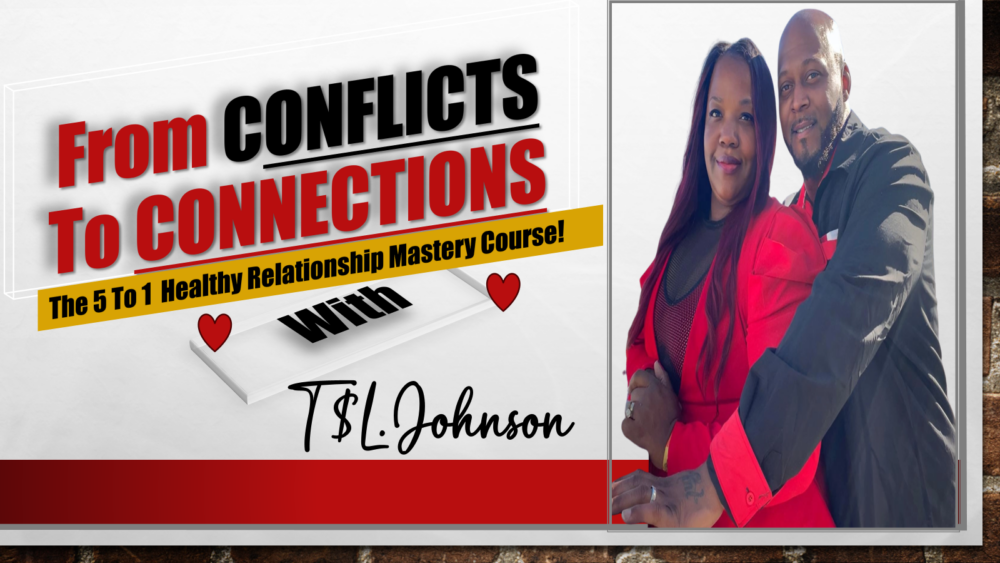
Transform Your Conflicts Into Connections
Validate Their Feelings
Another way I empathize during heated discussions is to validate the other person’s feelings. Regardless of whether I agree with their perspective, everyone deserves to be acknowledged for their emotions. If someone feels strongly about an issue, I strive to recognize that—it’s a basic human courtesy.
By saying things like, “I can see why you’d feel that way,” I create an environment where both parties feel safe to express their views. It can soften the tone of the debate and help foster mutual respect, making it a lot easier to navigate differences.
Ultimately, validating feelings not only calms the discussion but reinforces the idea that everyone’s opinion has value, even if it diverges from my own.
Share Personal Stories
Lastly, I’ve found that sharing personal stories can be a fantastic way to show empathy and maintain respect. Occasionally, a personal anecdotes reflecting how I’ve faced similar issues can help the other person feel less isolated. It adds a layer of humanity to the conversation.
By illustrating a time when I experienced a similar feeling or situation, I can help them see that it’s okay to have differing opinions. Connecting through personal stories can really bridge the gap between opposing viewpoints.
This strategy not only humanizes the debate but also encourages openness. It can prompt the other person to share their own experiences, which further enriches the conversation.
Agree to Disagree
Recognizing When to Let Go
Finally, sometimes you just have to accept that not every debate will end in agreement. I’ve learned that recognizing when it’s time to let go has been essential in maintaining respect. Sometimes it’s more productive to acknowledge our differences rather than trying to persuade the other person.
By saying something like, “I respect your viewpoint, even if we don’t see eye-to-eye,” I can diffuse any residual tension. It’s a sign of maturity to acknowledge that differing opinions can coexist without conflict.
Letting go of the need to convince someone immediately keeps the atmosphere respectful and enjoyable for both parties. We can remain friends and agree to disagree, without any awkwardness lingering over us!
Focus on the Bigger Picture
Another important note is to remember the bigger picture. Many times, disagreements can feel personal, but stepping back allows me to see that we are both passionate about different aspects of the same subject. Keeping that perspective helps me maintain respect.
When I remind myself that political debates, social issues, or any topic we’re discussing usually have deeper implications, it shifts my focus from winning the argument to understanding our differing viewpoints. It’s about a larger discourse, not just this one interaction.
This bigger picture mentality can keep our exchanges productive, enabling both of us to walk away feeling respected, regardless of whether consensus was achieved.
Encourage Future Dialogues
Lastly, I always strive to encourage future dialogues after a heated debate. If we’ve reached an impasse, I remind the other person that I’m open to discussing it again down the line. I think it’s important to keep the line of communication open, showing that the conversation doesn’t have to end negatively.
By suggesting, “Let’s revisit this in the future,” I convey a sense of respect for their opinion and a willingness to engage further when emotions aren’t so high. I value our conversations and want to keep them ongoing!
Ultimately, keeping the dialogue open helps both of us grow and evolve our perspectives without anyone feeling resentful. It keeps the relationship intact, allowing for further exploration of complex issues.

Schedule Your First 20-Minute Coaching
Call With Us Today to see if we fit . You pick the price!
Click Here