Understanding the Silent Treatment
What is the Silent Treatment?
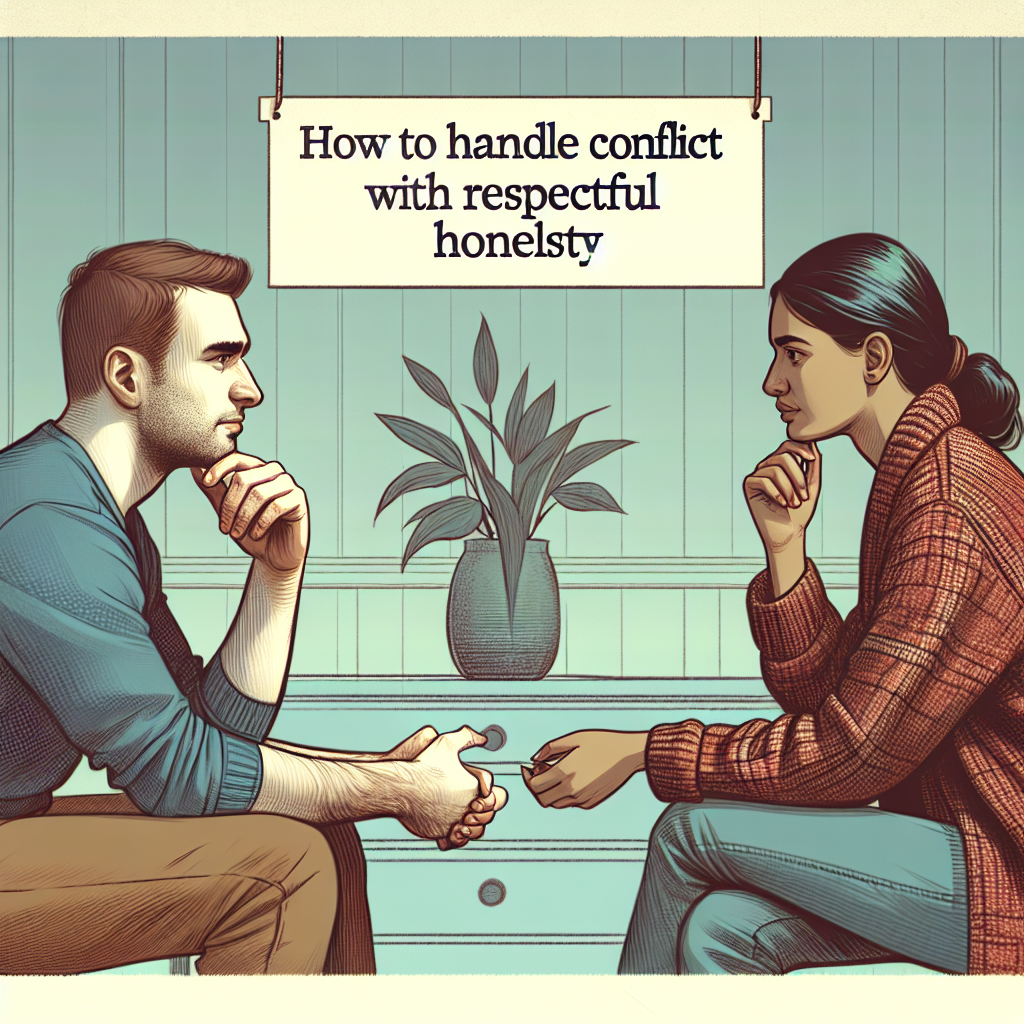
Ah, the silent treatment. It’s one of those relationship dynamics that can really throw you for a loop. Basically, it’s when someone gives you the cold shoulder instead of addressing a conflict or issue directly. This can feel super painful because it seems like you’re being ignored, which is the last thing anyone wants in a relationship.
I remember a time when my partner would go silent after we had a disagreement. I had no clue what was going on in their head. It’s frustrating when you want to talk things out, and they just choose to stay mute. It’s like talking to a wall, right?
The key here is to understand why someone might resort to this behavior. Often, it stems from feeling hurt or overwhelmed, and instead of confronting the issue, they pull away. Recognizing this can help you approach the situation with compassion.
Responding with Empathy
Put Yourself in Their Shoes
When someone gives you the silent treatment, it’s easy to feel defensive or angry. But I’ve learned that taking a moment to consider their feelings can shift your perspective. Why are they upset? What might they be feeling? This doesn’t excuse their behavior but helps you understand the emotional undercurrent.
One time, I imagined my partner was feeling just as frustrated and hurt. Realizing they might be scared of confrontation helped me approach the situation with more kindness than irritation.
Empathy is a powerful tool. It allows for a softer approach when I eventually reached out to them, showing I understood their feelings rather than just my own hurt. And believe me, this can soften the stance of even the most stubborn folks.
Opening Up Communication
Finding the Right Time
After giving someone a little time to cool off, I always look for the right moment to open the door to communication. Trust me; timing is everything. You don’t want to charge in before they’re ready, or it might just backfire.
I usually wait until things seem a little calmer—maybe after a good meal or when we’re both in a relaxed mood. This usually makes it easier to talk without it turning into a heated argument.
When I approach the conversation, I’ll often say something simple like, “Hey, I’ve noticed things feel a bit off between us. Can we talk about it?” Starting with this gentle nudge can lead to productive discussions rather than shouting matches.
Expressing Your Own Feelings
Being Honest About Your Hurt
Once we’re both sitting down to talk, I think it’s equally important to express my own feelings about the silent treatment. Not angrily, but genuinely. It’s a delicate balance, but I find that sharing how their silence affects me opens a channel where they feel safe to express themselves too.
Transform Your Conflicts Into Connections
I often share, “When you go silent, I feel lost and confused,” instead of just focusing on their behavior. This way, it’s more about me and how I feel rather than them feeling attacked. No one wants to feel like they’re on trial!
Sharing your feelings can help mend walls that are up. We both leave the conversation feeling heard, which can be the first step toward rebuilding trust and understanding.
Building Trust and Understanding
Create a Safe Space for the Conversation
Last but definitely not least, I always aim to build a safe space for future conversations. When tensions run high, it can be easy for anyone to retreat back into silence. To avoid that, I actively encourage open dialogue and make it clear that it’s okay to express feelings, even the messy ones.
One thing I’ve learned is that trust takes time. I regularly check in with my partner about how they’re feeling in our relationship, so they know it’s okay to voice concerns. This continuous dialogue is what keeps us connected and reduces the likelihood of the silent treatment becoming a pattern.
By making communication a habit, we both establish that it’s safe to talk about issues before they escalate. After all, we’re in this together, right?
FAQ
What is the silent treatment and why do people use it?
The silent treatment is a form of emotional withdrawal where one person communicates their discontent by refusing to talk or acknowledge the other. People might use it as a way to cope when they feel overwhelmed or hurt, avoiding direct confrontation.
How can I respond if I am getting the silent treatment?
Firstly, give them some space while they cool down. Afterwards, approach them with empathy, then gently open communication. Make sure you express your feelings honestly, creating a safe environment for dialogue.
Should I confront someone who uses the silent treatment?
Confronting someone can sometimes escalate the situation. Instead, try opening up a conversation when the time feels right, focusing on understanding their feelings rather than just your own frustration.
Can the silent treatment harm relationships?
Definitely. While it may seem like a temporary solution to avoid conflict, prolonged silent treatment can create resentment and communication barriers that are detrimental to the relationship.
How can I prevent the silent treatment in my relationship?
Encouraging open, honest dialogues about feelings regularly and establishing a routine of checking in with each other can help avoid the silent treatment. Building trust and understanding will make both partners feel safer to discuss difficult topics.

Schedule Your First 20-Minute Coaching
Call With Us Today to see if we fit . You pick the price!
Click Here